The Verdant Visionary: Javier de Winthuysen and the Art of Renaissance Gardens
Javier de Winthuysen (1874-1956), a Spanish painter and landscape artist born in Seville, possessed a singular vision – one deeply rooted in the classical ideals of harmony between nature and design. His life’s work wasn't confined to canvas alone; it extended into the meticulously crafted world of Renaissance gardens, most notably through his pivotal collaboration on the iconic ornamental garden at Château de Villandry in France. This partnership with Lozano represents a fascinating intersection of artistic talent and horticultural mastery, resulting in a space that continues to inspire awe and admiration today.
Early life in Seville instilled in Winthuysen a profound appreciation for the Andalusian landscape – its sun-drenched hills, vibrant flora, and the subtle interplay of light and shadow. He began his formal training at a young age, absorbing the techniques of established artists like José Arpa and Gonzalo Bilbao, honing his skills in capturing the essence of the region’s natural beauty. This formative period laid the groundwork for his later success in translating that same appreciation into the intricate designs of formal gardens. Moving to Paris in 1903 proved a transformative experience, exposing him to the burgeoning influences of Impressionism and Post-Impressionism, which subtly shifted his palette and approach to capturing fleeting moments of light and color – elements he would later incorporate into his garden designs.
The Château de Villandry: A Collaborative Masterpiece
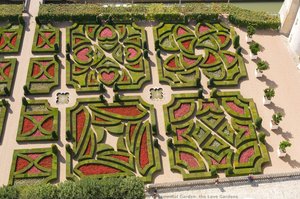
Winthuysen’s most enduring legacy lies in his contribution to the Château de Villandry, a project that cemented his reputation as a leading figure in Renaissance garden design. Working alongside Lozano, he was responsible for the ‘First Salon,’ a breathtaking expanse of geometric hedges, fountains, and meticulously arranged flowerbeds. This wasn't merely landscaping; it was an orchestrated symphony of form and color, reflecting the humanist ideals of the era – a deliberate attempt to recreate the beauty and order of classical antiquity. The design prioritized visual delight, employing a complex system of perspective and mathematical ratios to create an illusion of infinite space. The ‘First Salon’ is particularly noteworthy for its innovative use of clipped hedges, creating intricate patterns that echoed architectural elements within the château itself. It's a testament to Winthuysen’s ability to seamlessly blend artistic vision with practical horticultural expertise.
Artistic Style and Notable Works
Winthuysen’s artistic style is characterized by a vibrant use of color, meticulous detail, and an acute sensitivity to light. While his garden designs are undoubtedly his most celebrated achievements, his paintings also reveal a similar passion for capturing the beauty of the natural world. His landscapes often feature warm, earthy tones punctuated by bursts of vivid color – reflecting the influence of Impressionism while retaining a distinctly Spanish sensibility. Beyond the ‘First Salon,’ Winthuysen created numerous other painted representations of gardens and landscapes, each imbued with his characteristic attention to detail and evocative use of light. These paintings offer valuable insights into his creative process and demonstrate his ability to translate the experience of observing nature onto canvas.
Legacy and Recognition
Winthuysen’s work has been recognized through inclusion in prestigious collections such as the Colección Andrés Blaisten in Mexico and the Museo de Bellas Artes de Asturias in Spain. These institutions provide a valuable platform for showcasing his paintings and garden designs, ensuring that his contributions to art and landscape architecture are preserved for future generations. His influence extends beyond these specific works; he helped establish a new standard for formal garden design, demonstrating how artistic principles could be applied to create spaces of unparalleled beauty and intellectual stimulation. His legacy continues to inspire designers and gardeners alike, reminding us of the enduring power of nature’s harmony and the transformative potential of human creativity.
Further Exploration