


1


Opdateret november 2026 · rangeret efter vores popularitetsscore (søgninger, besøg og ordrer for hvert værk) · 14 værker af Graham Coughtry i vores katalog
Kort sagt
I galleriets øjne er Graham Coughtrys mest berømte maleri Figure 3 (1960). Figure Study 2 (1962) og Shared Nights (1957) fuldender trioen, som ethvert øje genkender. Ud af de 14 værker af Graham Coughtry i vores katalog præsenterer galleriet herunder de 13 mest berømte, hver som et originalværk med årstal, museum og det, der gør det unikt.





Det museum, der rummer flest af malerierne på denne side.
| Museum | By | Værker af Graham Coughtry | Malerier fra denne liste |
|---|---|---|---|
 National Gallery of Canada |
Ottawa | 4 | Shared Nights, Two Figure Series XVIII, Two Figure Series XXI |
Næsten ti år, fra 1957 til 1964, var nok for Graham Coughtry: galleriet gennemgår dem år for år, ét berømt originalværk efter det andet.
Vælg et årstal for at se de originale værker.


Figure 3 (1960). Derefter følger Figure Study 2 (1962) og Shared Nights (1957).
29 år gammel: Figure 3 er fra 1960, og Graham Coughtry blev født i 1931.
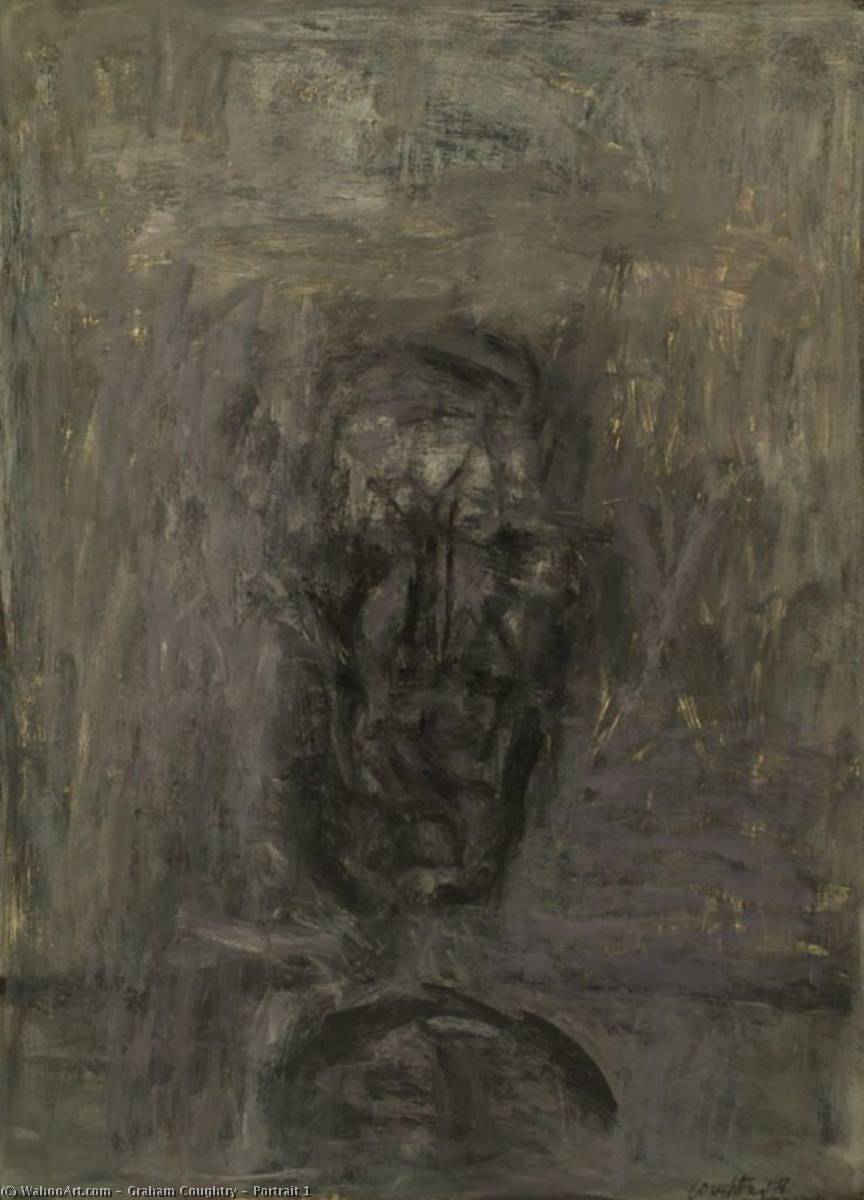
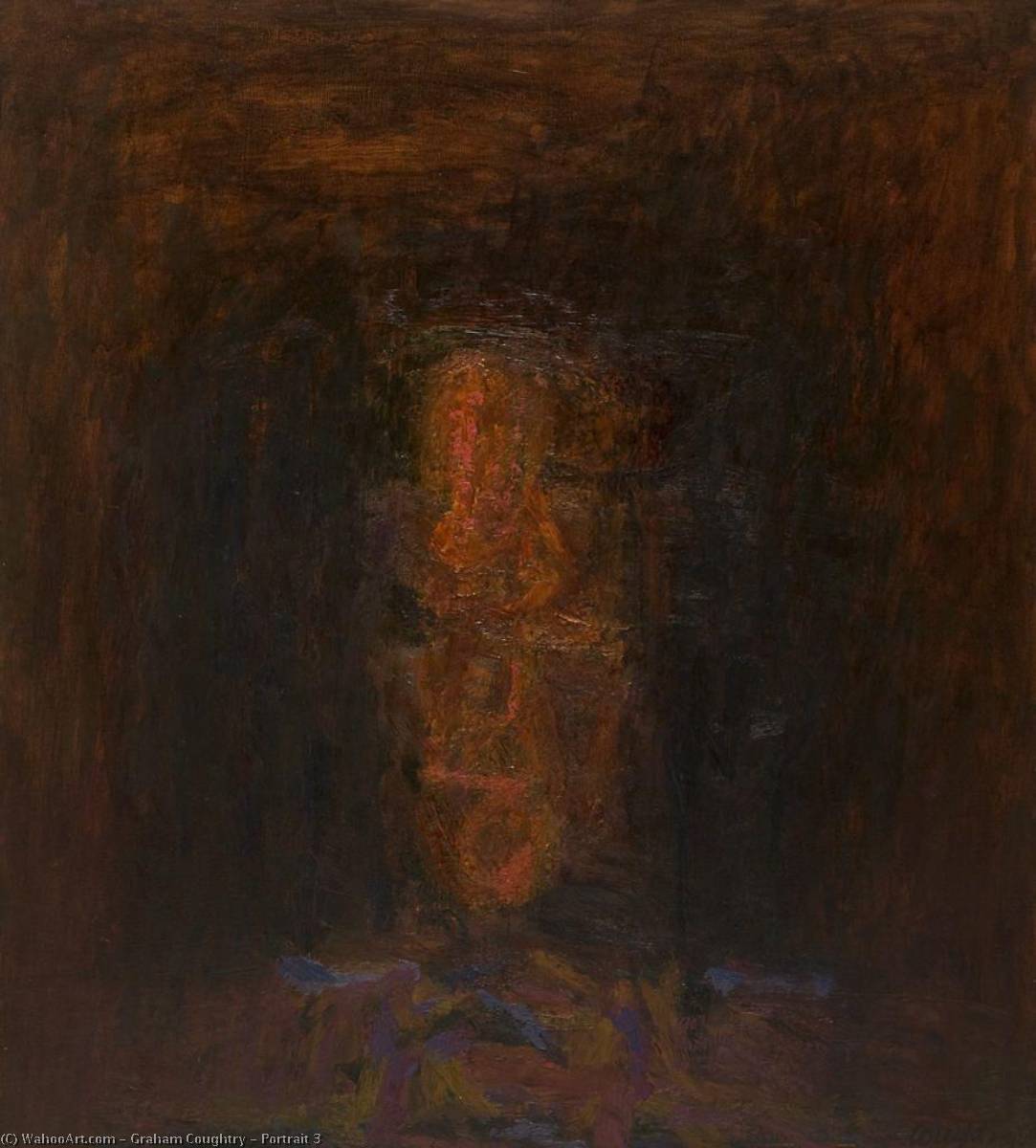
Figure 3, Figure Study 2, Shared Nights, Late Afternoon Interior, Portrait 1, Portrait 5, Portrait 3, Portrait 7, Beach Figure og Portrait 6. Ranglisten ovenfor viser det enkelte værks årstal og museum.
Vores katalog indeholder 14 værker af Graham Coughtry, dateret fra 1957 til 1964.
Primært i National Gallery of Canada (Ottawa). Museumslisten ovenfor viser dem alle.
I 1959: 3 af de 13 værker på denne side blev skabt dengang, herunder Portrait 5.
På denne side er det tidligste Shared Nights (1957) og det seneste Two Figure Series XVIII (1964).
Shared Nights, Two Figure Series XVIII og Two Figure Series XXI: National Gallery of Canada, Ottawa har 4 af værkerne på denne side.
Graham Coughtry was born on June 8, 1931, in Saint-Lambert, Quebec. His early interest in painting led him to the Montreal Museum of Fine Arts School, where he first learned the fundamentals of the craft. This period of study provided the technical foundation that would support his later explorations of form and color.
After his time in Montreal, he moved to the Ontario College of Art. He studied there until 1953, when he graduated with a travelling scholarship. This scholarship allowed him to leave the familiar surroundings of Canada and travel to Europe. During these travels, he spent time on Ibiza, an island in the Balearic group. The light and landscape of the island left a mark on him, and the location would eventually become his home.
After returning to Toronto, Coughtry moved within a tight-knit circle of creators. In 1955, he held his first exhibition at Hart House, University of Toronto, sharing the space with Michael Snow. This period saw him becoming part of the Isaacs Group, a collection of artists that included Michael Snow, Joyce Wieland, Gordon Rayner, and John Meredith. His presence in the city was marked by a steady presence at the Isaacs Gallery, where he continued to show his work for many years.
His professional life in Toronto also involved work outside the studio. He spent time as a film graphic designer for television with Graphics Associates and later worked within the television department of the Canadian Broadcasting Company until 1959. These technical roles sat alongside his development as a painter. By 1962, he was a founding member of the Artists' Jazz Band, joining Nobuo Kubota, Robert Markle, Dennis Burton, and Richard Gorman.
Recognition from established institutions followed his years in the city. He was elected to the Canadian Group of Painters and the Canadian Society of Graphic Art. His reputation grew through these affiliations and his participation in significant international events, such as representing Canada at the Venice Biennale in 1960.
Coughtry’s approach to the canvas was driven by a specific hierarchy of elements; he often noted that colour came first. This priority is visible in how he used pigment to define the space around his subjects. His paintings frequently feature one or two figures that appear to float within a void, stripped of a traditional sense of grounding. These semi-abstract forms often lose their edges, sometimes becoming barely perceptible against the background. He worked to find a fusion between light and the objects themselves, where a chair or a table is treated as both a physical object and a vessel for the light hitting it.
The surface of his work carries a heavy, tactile weight. He applied paint with a thick impasto, building up layers that create a palpable texture. This physical buildup of material allows the light to catch on the ridges of the paint, adding a sense of depth to his compositions. In some pieces, the paint is applied with strength, while in others, the pigment is incised directly into the surface. This method gives his figurative studies a sense of presence that relies more on the physical application of oil than on precise anatomical detail.
Coughtry’s reach extended beyond the private studio and into the shared spaces of public life. In 1959, he completed a wall design for the Beth David Synagogue. This project required a different kind of precision than his canvas work, focusing on how art occupies a specific architectural setting. By 1960, his presence moved to the international stage when he represented Canada at the Venice Biennale, appearing alongside artists Edmund Alleyn, Jean Paul Lemieux, Frances Loring, and Albert Dumouchel.
His work also took on a more permanent, physical weight through sculpture and large-scale murals. In 1962, he painted a major mural at the Toronto Pearson International Airport, bringing his sense of scale to a high-traffic transit hub. He also moved into three-dimensional form in 1964, producing a bronze figurative sculpture titled The Tritons. This piece was created to commemorate the construction of the Yorkdale Plaza in Toronto.
In his earlier studies, Coughtry often focused on the quiet weight of domestic objects. Late Afternoon Interior, painted about 1957, uses thick paint to settle a scene of light and shadow. This interest in the way light rests on furniture is seen clearly in Portrait 7 (1959), where a shadowed chair is rendered with heavy impasto. The paint is applied so thickly that the surface itself becomes a part of the subject, creating a sense of stillness and contemplation.
His work also moved toward the human form, often stripping away unnecessary detail to find the essence of a figure. Portrait 1 (1958) is a black and white study that focuses on the gaze of a man. By 1960, his approach to the figure had shifted toward more expressive color. Beach Figure (1960) uses yellow and orange hues to build a sense of movement and light, moving away from the more somber, muted tones of his earlier interior studies.
His paintings reside in several permanent collections across North America. In Canada, you can find his canvases within the National Gallery of Canada in Ottawa. The Art Gallery of Ontario also holds pieces from his career. These collections preserve the way he applied thick paint to capture light and shadow.
Beyond Canadian borders, his presence extends into major American institutions. The Museum of Modern Art in New York maintains works by the artist. The Detroit Institute of Arts also includes his paintings in its holdings. These various locations keep his studies of figure and space available for study and observation.


