


1


Opdateret november 2026 · rangeret efter vores popularitetsscore (søgninger, besøg og ordrer for hvert værk) · 67 værker af Floris Van Schooten i vores katalog
Kort sagt
Kitchen Scene (1622) er det maleri af Floris Van Schooten, der vækker mest opsigt; originalen findes på Statens Museum for Kunst, København. Derefter falder blikket på Christ and the woman of Samaria at the well (1620) og A woman and a boy in a kitchen (1620). Blandt de 67 værker af Floris Van Schooten i vores katalog er disse 67 de mest berømte, hver især et unikt originalværk præsenteret med sit årstal, sit museum og årsagen til dets tidløse betydning.
 A kitchen interior with fish and utensils on a table1650
12
 A kitchen still life with a maid cleaning fish at a table and a boy holding an apple1650
13
 Laid Table1617
14Breakfast1615 · Kröller-Müller Museet
15
 Still life with cheese, herring, bread and wine1620 · National Gallery
16
 Kitchen Scene1620 · Rheinisches Landesmuseum
17
 Kitchen Utensils, Meat and Vegetables1610
18
 Still life of laid table with cheese1635 · Bavarian State Painting Collections
19
 Still Life with Cheese, Candlestick and Tobacco1630
20
 Still Life with smoked herring, oysters and smoker's gear1625 · Frans Hals Museet
21
 Still life with Jan Steen pitcher, salt cellar, and cheese on a laid table1629 · Het Prinsenhof
22
 Still life with grilled rib, cheese, apples and bread1630 · Het Prinsenhof
23
 Fruit Basket1634 · Statens Museum for Kunst
24
 Still life with pie on a laid table1633 · Muzeum Palacu Króla Jana Iii w Wilanowie
25
 Still life of food on a table1635
26
 Still life with a Jan Steen pitcher on a laid table1625
27
 Still life of fruit, butter and cheese1630
28
 Still life of fruit with bread, butter and a silver cup1625 · Gebruder Douwes
29
 Fruit still life1645 · Kröller-Müller Museet
30
 Still life with fruit, bread and a silver chalice1642
31
 Still life of butter, cheese, bread, shrimp and biscuits1642
32
 Still life with cut of meat, butter, chestnuts, glassware and bread on a table1639
33
 Stillife with dead birds1637
34
 Copper kettles and other objects on a tabletop1650
35
 Still-life with Ham1650
36
 Still life with bread, cheese, prawns and crabs1656 · Groninger Museum
37
 Breakfast with roast meat, bread, olives and chestnuts1650
38
 Still life of a laid table with cheese1650
39
 Still life of a laid table with cheese1650
40
 Still life of fruit and ham on a laid table1650
41
 Still life of fruit in a stone niche1650
42
 Still life with cheese, chalice and spoon1650 · The National Museum in Poznań
43
 Still life with bread, meat and olives1650 · Herzog Anton Ulrich Museum
44
 Still life with fruits in Delft porcelain1650
45
 Still life with fruit1650 · Museum Voor Moderne Kunst
46
 Still life with ham and fish with unplucked poultry.1650 · Museum of John Paul II Collection
47
 Still-life with Bread, Cheese and a cut Pie1650 · Koetser Gallery
48
 Still life of apples and grapes1650
49
 Still life of pie, cheese, bread and olives on a laid table1650 · Gallery van Diemen
50
 Still life of a laid table with cheese, meat and bread1650 · Hamburger Kunsthalle
51
 Laid table with cheese, bread, fruit and a roemer1650
52
 Still life with a ham on a laid table1650
53
 Fruit still life with silver beaker1650 · Francisque Mandet Museum
54
 Kitchen Interior1655
55
 BreakfastDet Kongelige Museum for Fin Kunst Antwerpen
56
 Kitchen piece with woman cleaning a fish
57
 Kitchen Still Life
58
 Fruit Stall1630 · Zamek Krolewski w Warszawie
59
 Breakfast Still Life with CheeseVon der Heydt Museum
60
 Still life of assorted fruit with two blue-and-white porcelain bowls
61
 Still life of fruit served in kraak porcelain
62
 Still life with berriesDe Kongelige Skønkunstmuseer i Belgien
63
 Still life with copper pans, utensils and plums on a stone ledgeKoetser Gallery
64
 Still life with cut of beef, chalice and breadMuseum Kunstpalast
65
 Strawberries in a silver dish, cherries and white currents in a wanli bowl, with a bread roll and silver cup
66
 Still-life Of Fruit
67
 a Kitchen Still Life with pots and pans on a stone ledge and animated figures in the background
De fire motiver, der optræder hyppigst i disse originaler, hver med sit fineste eksempel.
De 8 museer, der rummer flest af malerierne på denne side.
| Museum | By | Værker af Floris Van Schooten | Malerier fra denne liste |
|---|---|---|---|
 Statens Museum for Kunst |
København | 4 | Kitchen Scene, Women and Children by a Fruit Seller, Stall with Fruit and Vegetables |
 Frans Hals Museet |
Haren | 2 | Kitchen scene, Still Life with smoked herring, oysters and smoker's gear |
 Kröller-Müller Museet |
Otterlo | 2 | Breakfast, Fruit still life |
 Het Prinsenhof |
Delft | 2 | Still life with Jan Steen pitcher, salt cellar, and cheese on a laid table, Still life with grilled rib, cheese, apples and bread |
| Koetser Gallery | 2 | Still-life with Bread, Cheese and a cut Pie, Still life with copper pans, utensils and plums on a stone ledge | |
 Nationalmuseet i Warszawa |
Warszawa | 1 | Kitchen interior with a female cook. |
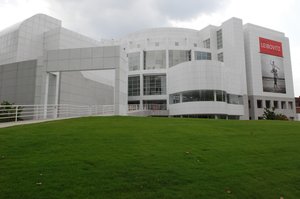 High Museum of Art |
Atlanta | 1 | Kitchen still life with two children |
 Gemäldegalerie Alte Meister |
Dresden | 1 | Young woman peeling a pear at a table with various fruits, an old man with a money bag adressing her |
Vælg et årti for at se det originale værk, der definerer det.


Kitchen Scene (1622), Statens Museum for Kunst, København. Derefter følger Christ and the woman of Samaria at the well (1620) og A woman and a boy in a kitchen (1620).
42 år gammel: Kitchen Scene er fra 1622, og Floris Van Schooten blev født i 1580.
Kitchen Scene, Christ and the woman of Samaria at the well, A woman and a boy in a kitchen, Larder Still Life with Cheese, Kitchen interior with a female cook., Women and Children by a Fruit Seller, Stall with Fruit and Vegetables, Kitchen scene, Kitchen still life with two children og Young woman peeling a pear at a table with various fruits, an old man with a money bag adressing her. Ranglisten ovenfor viser det enkelte værks årstal og museum.
Vores katalog indeholder 67 værker af Floris Van Schooten, dateret fra 1610 til 1656.
Primært i Statens Museum for Kunst (København), Frans Hals Museet (Haren) og Kröller-Müller Museet (Otterlo). Museumslisten ovenfor viser dem alle.
I 1650s: 23 af de 67 værker på denne side blev skabt dengang, herunder A kitchen interior with fish and utensils on a table.
På denne side er det tidligste Kitchen Utensils, Meat and Vegetables (1610) og det seneste Still life with bread, cheese, prawns and crabs (1656).
Fruits (2) og Life (2), fordelt på de 67 værker på denne side.
Kitchen Scene, Women and Children by a Fruit Seller og Stall with Fruit and Vegetables: Statens Museum for Kunst, København har 4 af værkerne på denne side.
Floris Gerritsz van Schooten (ca. 1585 – 14. november 1656) står som en skelsættende skikkelse i udviklingen af stillebenmaleriet i den hollandske guldalder. Selvom han ofte opererede i skyggen af sine mere flamboyante samtidige, formede han genren på en stille, men dybdegående måde ved at afspejle dens evolution og absorbere de innovationer, som det livlige kunstneriske miljø i Haarlem bragte frem. Hans eftermæle ligger ikke i revolutionerende teknikker, men i hans omhyggelige observation, dygtige gengivelse og en dyb forståelse for, hvordan man indfanger essensen af hverdagsobjekter – fra ydmyge morgenmåltider til detaljerede køkkenscener – alt sammen gennemsyret af en subtil fornemmelse af vanitas.
Som født ind i en velstående katolsk familie, der i 1612 var migreret fra Amsterdam til Haarlem i søgen efter større religiøs tolerance, var Floris' tidlige liv dybt forankret i sin slægts traditioner. Hans far, Gerrit Jacobsz van Schooten, var medlem af denne indflydelsesrige familie, og hans ægteskab med Rycklant Bol van Zanen, datter af en fremtrædende ølbrygger, gav ham både social status og en forbindelse til Haarlems økonomiske hjerte. Denne baggrund prægede subtilt hans motiver, idet han ofte skildrede bordets overflod, hvilket afspejlede den rigdom og velstand, der kendetegnede denne æra.
Van Schootens kunstneriske rejse begyndte inden for rammerne af Sankt Lukas-gildet i Haarlem, en afgørende institution for uddannelse og regulering af kunstnere. Han steg hurtigt i rækkerne og blev i 1639 udnævnt til dekan, hvilket vidnede om hans respekt og ekspertise i den lokale kunstverden. Hans karriere strakte sig over flere årtier, hvorigennem han producerede et imponerende værk på anslået 120 værker – et vidnesbyrd om hans konstante flid og dedikation. Bemærkelsesværdigt nok er kun ét fuldt signeret maleri kendt: et morgenmåltid som stilleben, som i dag er indhøstet på Von der Heydt Museet i Wuppertal, Tyskland, hvilket giver et sjældent indblik i kunstnerens egne intentioner.
Floris Van Schootens kunstneriske udvikling var uløseligt forbundet med den blomstrende stilleben-scene i Haarlem. Han opsugede teknikkerne og de kunstneriske sanseligheder fra sine samtidige, især de mesterlige værker af Floris van Dyck, Pieter Claesz og Roelof Koets – som alle var fremtrædende skikkelser i lavet. Disse kunstnere fungerede som betydelige inspirationskilder, der formede hans tilgang til komposition, farvepaletter og gengivelsen af teksturer. Bemærkelsesværdigt nok spejlede han de innovationer, der fandt sted i Haarlems stilleben-miljø, hvilket vidnede om en skarp bevidsthed om tidens tendenser.
Hans arbejde afslører også en dyb værdsættelse af tidligere mestre som Pieter Aertsen og Joachim Beuckelaer, hvis storslåede markedsscener havde etableret konventioner, som Floris Van Schooten med stor dygtighed tilpassede. Han forenklede forgængernes komplekse arrangementer og skabte en større følelse af orden og stabilitet i sine kompositioner. Denne omhyggelige assimilation af indflydelser er et særkende for hans stil – han var ikke selv en revolutionær innovator, men snarere en flittig dokumentarist og fortolker af de kunstneriske strømninger.
Van Schootens værk er kendetegnet ved sin mangfoldige række af stilleben-motiver. Han udmærkede sig særligt i fremstillingen af morgenmåltider, hvor han med stor præcision skildrede morgenmadens overdådighed gennem omhyggeligt arrangerede kompositioner af skinke, ost, brød og frugt. På samme måde besad han en mesterlig evne til at indfange køkkenscener – detaljerede fremvisninger af kulinariske forsyninger, der afspejler de hjemlige rytmer i det 17. århundredes hollandske husholdninger. Markedspladser optræder også fremtrædende i hans kunst og tilbyder et fascinerende indblik i den livlige handel, der udspillede sig i Haarlems gader.
Gennem hans værker løber en række tilbagevendende motiver, hvor især kombinationen af skinke og ost skiller sig ud. Disse tilsyneladende enkle sammensætninger blev et signaturelement, gennemsyret af en dybere symbolsk tyngde – de repræsenterede overflod, velstand og måske endda dødelighed, hvilket var et udbredt tema i vanitas-malerier. Hans nitidige sans for detaljen – glansen i det polerede sølv, teksturen i den modne frugt og de bløde folder i linnedet – ophøjede disse hverdagsobjekter til fængslende kunstværker.
På trods af sin relativt beskjedne profil spillede Floris Van Schooten en afgørende rolle i dokumentationen af udviklingen af stilleben-maleriet under den hollandske guldalder. Hans værker giver uvurderlig indsigt i de kunstneriske praksisser og den æstetiske sans, der prægede Haarlems lavsystem. Abraham Bredius, en fremtrædende hollandsk kunsthistoriker, anerkendte betydningen af monogrammet ”F.v.S” eller ”FVS” som kunstnerens signatur, hvilket har cementeret hans plads i den historiske overlevering.
Hans samlede værk står som et vidnesbyrd om det dynamiske kunstneriske landskab i det 17. århundredes Nederlandene – en refleksion over både etablerede traditioner og fremspirende strømninger. Gennem sin dygtige gengivelse af hverdagslige genstande tilbød Van Schooten beskueren en rørende meditation over rigdom, dødelighed og den skønhed, der findes i det ordinære.


