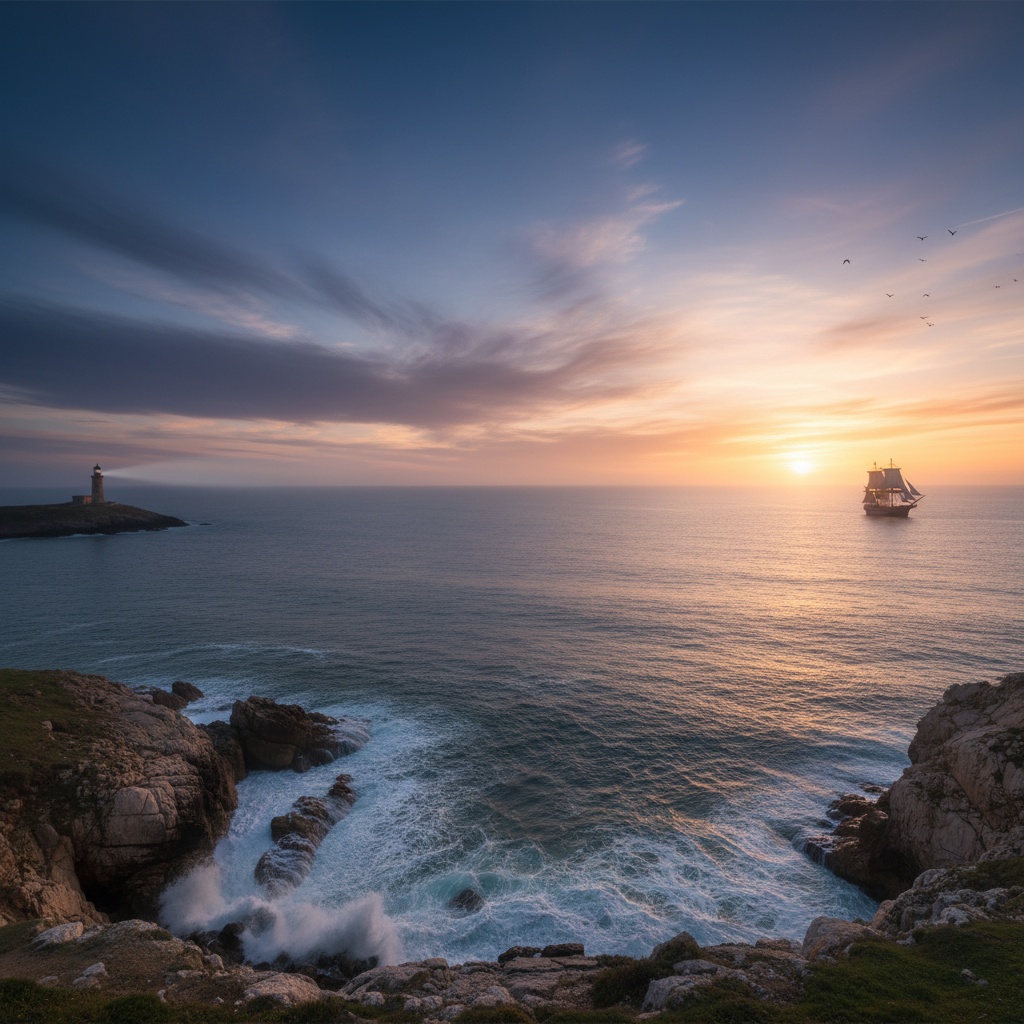
The Genesis of Seascape: From Maritime Records to Artistic Expression
For centuries, humanity’s relationship with the sea has been one woven with necessity, fear, and profound respect. Long before it became a celebrated genre in art, the ocean was documented through practical means – navigational charts, ship logs, and detailed records of trade routes. These early depictions weren't born from aesthetic impulse but from the demands of commerce and exploration. Yet, within these functional representations lay the seeds of artistic fascination. The earliest visual encounters with the sea often appear as background elements in larger historical or mythological scenes; think of ancient Roman frescoes depicting naval battles or Egyptian reliefs showing river voyages. These were not seascapes *per se*, but rather instances where the water served a narrative purpose, establishing context for human drama. It wasn’t until the 17th century that artists began to truly isolate and celebrate the sea itself as a worthy subject of study and contemplation.
The shift was gradual, influenced by burgeoning scientific curiosity and a growing appreciation for the natural world. Early examples often focused on ship portraits – meticulously detailed renderings of vessels, reflecting both national pride and economic investment. These paintings weren’t simply about the sea; they were about power, trade, and the mastery of maritime technology. However, even within these technically precise works, we see a nascent interest in capturing the light and texture of water, foreshadowing the artistic explorations to come.
Dutch Masters & the Golden Age of Seascapes: Realism, Power, and Innovation
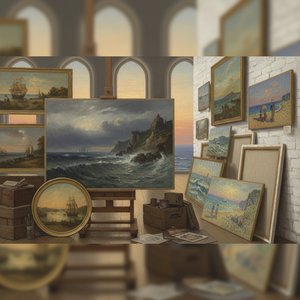
The 17th-century Dutch Republic witnessed an unprecedented flourishing of seascape painting. This wasn’t accidental; the Netherlands was a maritime superpower, its wealth and identity inextricably linked to the sea. Artists like Simon de Vlieger, Jan van Goyen, and Willem van de Velde the Younger elevated seascape painting to new heights, establishing conventions that would influence generations. What distinguished Dutch seascapes was their remarkable realism – an almost photographic attention to detail in depicting ships, clouds, and water conditions. They captured not just the grandeur of naval power but also the everyday realities of maritime life: bustling harbors, calm coastal scenes, and dramatic storms.
Willem van de Velde the Younger, for example, became renowned for his dynamic depictions of fleets at sea, capturing the precise arrangement of sails, rigging, and flags. His paintings weren’t merely representations; they were celebrations of Dutch naval prowess and a testament to their mastery of the ocean. The use of light was also crucial. Artists skillfully rendered the subtle shifts in illumination, creating a sense of depth and atmosphere that drew viewers into the scene. This period saw the development of specialized techniques for depicting water – layering thin washes of paint to create reflections, using broken brushstrokes to suggest movement, and employing atmospheric perspective to convey distance.
Impressionism's Embrace of the Sea: Capturing Light, Movement, and Atmosphere
By the 19th century, a new generation of artists began to challenge traditional conventions. The Impressionists, rejecting the academic emphasis on precise detail and historical narrative, turned their attention to capturing fleeting moments in time – and the sea proved an ideal subject for this pursuit. Artists like Claude Monet, Pierre-Auguste Renoir, and Camille Pissarro sought to depict the *impression* of a scene rather than its literal representation. They painted outdoors, or en plein air, attempting to capture the ever-changing effects of light and atmosphere on water.
Impression, soleil levant, Monet’s iconic painting that gave the movement its name, exemplifies this approach. It wasn't about meticulously rendering every detail of a harbor scene; it was about capturing the sensation of sunrise – the shimmering light, the hazy atmosphere, and the overall mood. Renoir’s seascapes, like his 1879 work at the Art Institute of Chicago, similarly focused on capturing the play of light on water and the vibrant energy of coastal life. The Impressionists' use of broken brushstrokes, pure color, and a focus on atmospheric effects revolutionized seascape painting, paving the way for new artistic explorations.
Romantic Visions & Beyond: Exploring Emotional Depth in 19th-Century Seascape Painting
While the Impressionists focused on capturing fleeting moments, other artists of the 19th century explored the more emotional and symbolic dimensions of the sea. The Romantic movement saw the ocean as a powerful force of nature – capable of both sublime beauty and terrifying destruction. Artists like J.M.W. Turner depicted dramatic storms, shipwrecks, and turbulent seascapes, conveying a sense of awe and the overwhelming power of the natural world. These paintings weren’t simply about depicting the sea; they were about exploring human emotions – fear, vulnerability, and the sublime.
Beyond Romanticism, artists continued to explore different facets of the sea. Realist painters like Gustave Courbet depicted the harsh realities of coastal life, while Symbolist artists used the ocean as a metaphor for the subconscious mind. The late 19th century also saw the rise of marine painting in other countries, with artists like John Thomas Cartmell capturing the Norman coastline and Alfred Guillou portraying Breton seascapes.
Beyond Representation: Modern and Contemporary Approaches to Seascape Art
The 20th and 21st centuries have witnessed a diverse range of approaches to seascape art. Abstract Expressionists explored the emotional power of color and form, using the sea as inspiration for non-representational works. Minimalist artists focused on simplifying forms and reducing paintings to their essential elements. Contemporary artists continue to push boundaries, experimenting with new materials and techniques – from large-scale installations to digital art.
Today, seascape art encompasses a wide spectrum of styles and approaches. Artists are exploring themes of environmentalism, climate change, and the relationship between humanity and the ocean. The genre continues to evolve, reflecting our changing understanding of the sea and its place in the world.
Collecting Seascapes: A Guide for Enthusiasts and Building a Timeless Collection
For those drawn to the allure of seascape art, building a collection can be a deeply rewarding experience. Consider your personal preferences – are you drawn to the realism of Dutch Masters, the atmospheric effects of Impressionism, or the emotional depth of Romantic paintings? Research different artists and movements, learning about their techniques, historical context, and signature styles. Start small, focusing on acquiring pieces that resonate with you personally.
When evaluating a seascape painting, pay attention to the quality of the brushwork, the use of light and color, and the overall composition. Look for paintings that capture a sense of atmosphere and emotion. Don’t be afraid to seek expert advice – art consultants can provide valuable insights into provenance, condition, and market value. At OriginalUniqueArt, we offer a curated selection of high-quality seascape reproductions, allowing you to bring the beauty and history of this captivating genre into your home. Whether you're seeking a classic Dutch Master or an Impressionist masterpiece, our skilled artists can create a bespoke painting tailored to your specifications.