Defining the Eras: The Dramatic Intensity of Baroque vs. The Playful Grace of Rococo
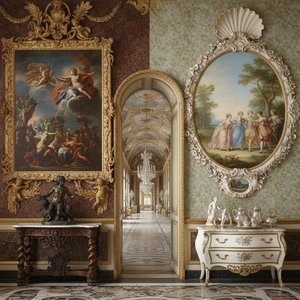 Drama & Delight: A Journey Through the Grandeur of Baroque and Rococo Art
The Baroque Earthquake: Embracing Drama, Light, and Divine Grandeur Baroque vs. Rococo: A Definitive Guide to the Drama of Grandeur and the Elegance of Grace The Baroque Era: A Symphony of Drama, Light, and Divine Grandeur Baroque Masterpieces: 10 Pa...
To step into a space defined by the Baroque is to surrender oneself to a sensory whirlwind, a profound departure from the tranquil, balanced harmonies that characterized the Renaissance. Emerging at the dawn of the 17th century, the Baroque movement acted as a seismic cultural earthquake, reshaping the very fabric of art, architecture, and music through sheer emotional intensity. It was an era born of religious fervor and political power, designed to overwhelm the viewer with a sense of divine authority and monumental scale. There is no stillness in a true Baroque composition; even in its most solemn religious subjects, one finds an inherent dynamism, a feeling that figures are caught in a moment of eternal transition, forever suspended in spiritual or physical tension.
In stark contrast, the Rococo emerged in the 1730s as a sophisticated reaction against the heavy, formal grandeur of the Louis XIV style. If the Baroque is a thunderous symphony, the Rococo is a delicate chamber piece. It shifted the focus from the monumental to the intimate, moving away from the rigid symmetry of previous centuries toward an aesthetic of playful exuberance and lightheartedness. This era embraced the
rocaille—motifs inspired by shells and pebbles—and favored asymmetrical, fluid curves that fostered a sense of ease and charm. For the modern designer, understanding this distinction is vital: where Baroque commands respect through awe, Rococo invites engagement through grace.
Visual Elements for Designers: Chiaroscuro, Movement, and Color Palettes
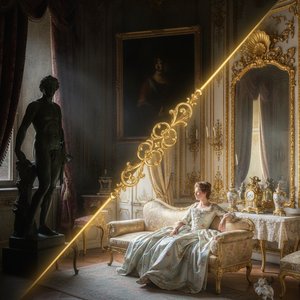 Baroque vs. Rococo: A Definitive Guide to High-Drama Shadows and Golden Elegance
The Baroque Earthquake: Mastering Drama, Chiaroscuro, and Divine Intensity Chiaroscuro In art, chiaroscuro (English: kee-AR-ə-SKOOR-oh, -SKURE-, Italian: [ˌkjaroˈskuːro]; lit. 'light-dark') is the use of strong contrasts between light and dark, usua...
For the professional curator or interior designer, the technical mastery of light and shadow serves as the primary tool for setting a room's atmospheric tone. The heartbeat of the Baroque era lies in its mastery of
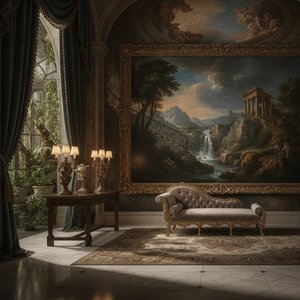
chiaroscuro—the profound and dramatic interplay between deep, impenetrable shadows and piercing, brilliant light. This technique allows an artist to sculpt figures out of darkness, imbuing every scene with a visceral, cinematic immediacy. When selecting works for a high-impact space, such as a hotel lobby or a grand entrance, the use of strong contrasts can create depth and volume, making the artwork feel tangibly present within the human realm.
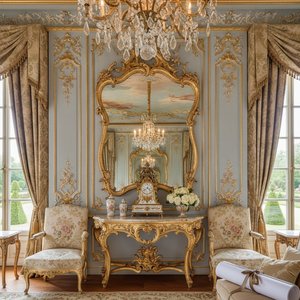
The color palettes of these two eras offer vastly different directions for interior schemes. Baroque art utilizes a rich, contrasting palette where deep blues, warm earth tones, and luminous whites are juxtaposed to highlight key figures and heighten drama. It is a heavy, saturated world that demands substantial architectural support. Conversely, the Rococo palette is characterized by light, pastel colors—shades of sky blue, mint green, and soft pink—often blended with delicate gilding. This shift toward luminosity and airiness allows for much more flexible, light-drenched environments. Designers can utilize these palettes to either anchor a room with Baroque weight or to expand a space through Rococo radiance.
Architectural Integration: From Monumental Grandeur to Intimate Ornamentation
 gabriel-germain boffrand
Gabriel Germain Boffrand: Bridging Baroque and Rococo’s Legacy Gabriel Germain Boffrand (1667-1754) stands as a pivotal figure in French art history, marking the transition between the grandeur of Baroque architecture and the playful exuberance of Ro...
Integrating art into architectural planning requires an understanding of how scale influences the perception of space. Baroque architecture is defined by its emphasis on monumental scale and dramatic ornamentation, often utilizing massive columns, complex floor plans, and sweeping staircases to evoke a sense of awe. It is an architecture of movement, where the boundaries between painting, sculpture, and structure are intentionally blurred to create a unified, theatrical experience. For large-scale hospitality projects, Baroque elements can transform a corridor into a journey of discovery, much like the immersive descent found within the Staatsgalerie Schleissheim.
The Rococo period, however, revolutionized the concept of interiority by prioritizing smaller, more flexible spatial arrangements. This style flourished in the design of private salons and intimate boudoirs, where the focus was on decorative delight rather than overwhelming power. Architects like Gabriel Germain Boffrand mastered this transition, blending the grandeur of his predecessors with an obsession with illusionistic decoration and delicate curves. In a modern hotel setting, Rococo-inspired elements are ideal for boutique suites or lounge areas where the goal is to create a sense of refined luxury and comfort without the intimidating weight of classical formalism.
Curating the Space: Selecting Masterpieces for Hotel Lobbies and Private Suites
 The Rape of Europa
The Rape of Europa: A Baroque Masterpiece by Peter Paul Rubens Immerse yourself in the dramatic world of classical mythology with this breathtaking oil painting depicting the abduction of Europa, a pivotal story recounted in Ovid’s Metamorphoses . Ru...
When curating art for high-end hospitality, the selection must serve the specific narrative of the property. For a grand, flagship hotel aiming to project heritage and power, selecting reproductions in the style of Peter Paul Rubens can be transformative. His works, such as
The Rape of Europa, exemplify the Flemish Baroque tradition, utilizing dynamic diagonals and vibrant color to create a spectacle that captures the eye of every guest. Such pieces act as focal points that command attention and establish an immediate sense of prestige.
For more intimate settings, such as executive suites or luxury spas, the subtle elegance of late-Baroque or early-Rococo portraiture offers a more nuanced approach. The works of Jean-François de Troy provide a perfect bridge, offering the psychological depth and realism of the Baroque combined with the burgeoning grace of the Rococo. These pieces allow for a sophisticated atmosphere that feels both historically grounded and aesthetically light. By strategically placing these works, designers can manipulate the emotional temperature of a room, moving from the high-drama intensity of a lobby to the serene, gilded charm of a private retreat.
Customizing History: Transforming Classical Styles through Bespoke Oil Reproductions
 PORTRAIT D'HOMME
Jean-François de Troy: A Master of Baroque Elegance Jean-François de Troy (1645–1730) stands as a pivotal figure in the artistic landscape of late 17th and early 18th century France, bridging the opulent grandeur of the Baroque era with the burgeonin...
In the modern era of interior design, the ability to "remix" art history provides an unparalleled advantage for procurement managers and decorators. At OriginalUniqueArt.com, we understand that large-scale projects often require specific dimensions and color matching that standard prints cannot provide. Our service specializes in 100% hand-painted oil reproductions on cotton canvas, ensuring that the tactile depth of visible brushstrokes and a rich tonal range are preserved. This allows designers to bring the heavy impasto of the Baroque or the delicate glazing of the Rococo into any contemporary space with absolute precision.
Beyond mere reproduction, we offer the opportunity for true customization through our Professional Digital Mockup Service. Whether you need to scale a masterpiece to fit a massive hotel mural, adjust colors to align with a new upholstery selection, or even perform a "Period Shift"—such as transforming a modern photograph into a 17th-century Baroque portrait—our Project Coordinators manage the process from initial concept to final delivery via DHL or FedEx. This bespoke approach ensures that every piece of art is not just a decoration, but a custom-engineered component of your architectural vision, delivered with the reliability and scale required by the global hospitality industry.