Durability and Longevity: Why Acrylic on Canvas Resists High-Traffic Environments
In the demanding landscape of hospitality design, where the aesthetic integrity of a space must withstand the relentless ebb and flow of guests, the choice of medium is a critical procurement decision. Unlike traditional oil paintings that may remain sensitive to environmental fluctuations, acrylic on canvas offers a robust chemical stability that is indispensable for high-traffic corridors and public lounges. The polymer-based nature of acrylic pigments creates a flexible, plastic-like film upon drying, which inherently resists the cracking and flaking often associated with more brittle mediums when subjected to temperature shifts or humidity changes.
For the procurement manager overseeing a hotel renovation, durability translates directly into long-term cost savings. The inherent resistance of acrylic to moisture and atmospheric pollutants ensures that the vibrant hues selected during the design phase remain steadfast against the test of time. When paired with a professional finish, such as a protective Damar varnish, these works become resilient shields for the interior's visual identity, requiring minimal maintenance while maintaining a museum-quality appearance that survives the rigors of commercial occupancy.
Versatility in Scale: Implementing Large-Format Acrylics for Hotel Lobbies and Corridors
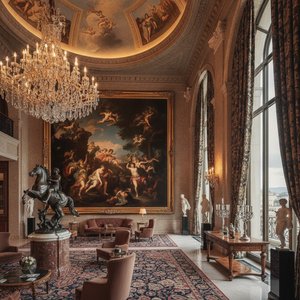
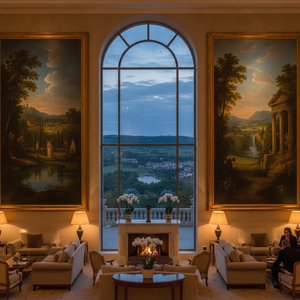
The architectural impact of a hotel lobby is often defined by its ability to command attention through scale and presence. Large-format acrylic works serve as the cornerstone of this visual strategy, providing the necessary gravity to anchor expansive, high-ceilinged spaces. The versatility of the acrylic medium allows for an extraordinary range of applications, from singular, massive canvases that act as focal points to sophisticated multi-panel arrangements that guide the eye through long, sweeping corridors.
Modern hospitality design frequently utilizes the "multi-panel" trend to break down the monolithic nature of large walls. By splitting a single, cohesive composition across three, four, or even five panels, designers can create a rhythmic, contemporary aesthetic that mirrors the architectural lines of the building. This approach is particularly effective in staircases or transitional zones, where the artwork must interact dynamically with the movement of guests. The ability to engineer these pieces with extended wraps or mirror-wraps ensures that the art feels integrated into the very fabric of the architecture, rather than merely hung upon it.
Cost-Effective Customization: Matching Brand Identity Through Color and Texture
Every luxury brand possesses a unique visual DNA, often expressed through a specific color palette and textural language. For the professional designer, the ability to customize artwork is not a luxury but a requirement for cohesive brand storytelling. Acrylic on canvas provides an unparalleled playground for this level of customization. Because the medium allows for rapid layering and blending, artists can precisely replicate the exact tones required to complement bespoke upholstery, marble finishes, or custom lighting schemes.
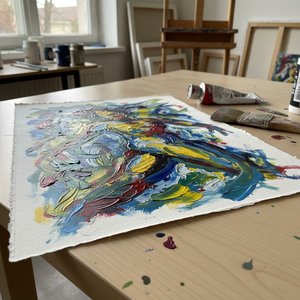
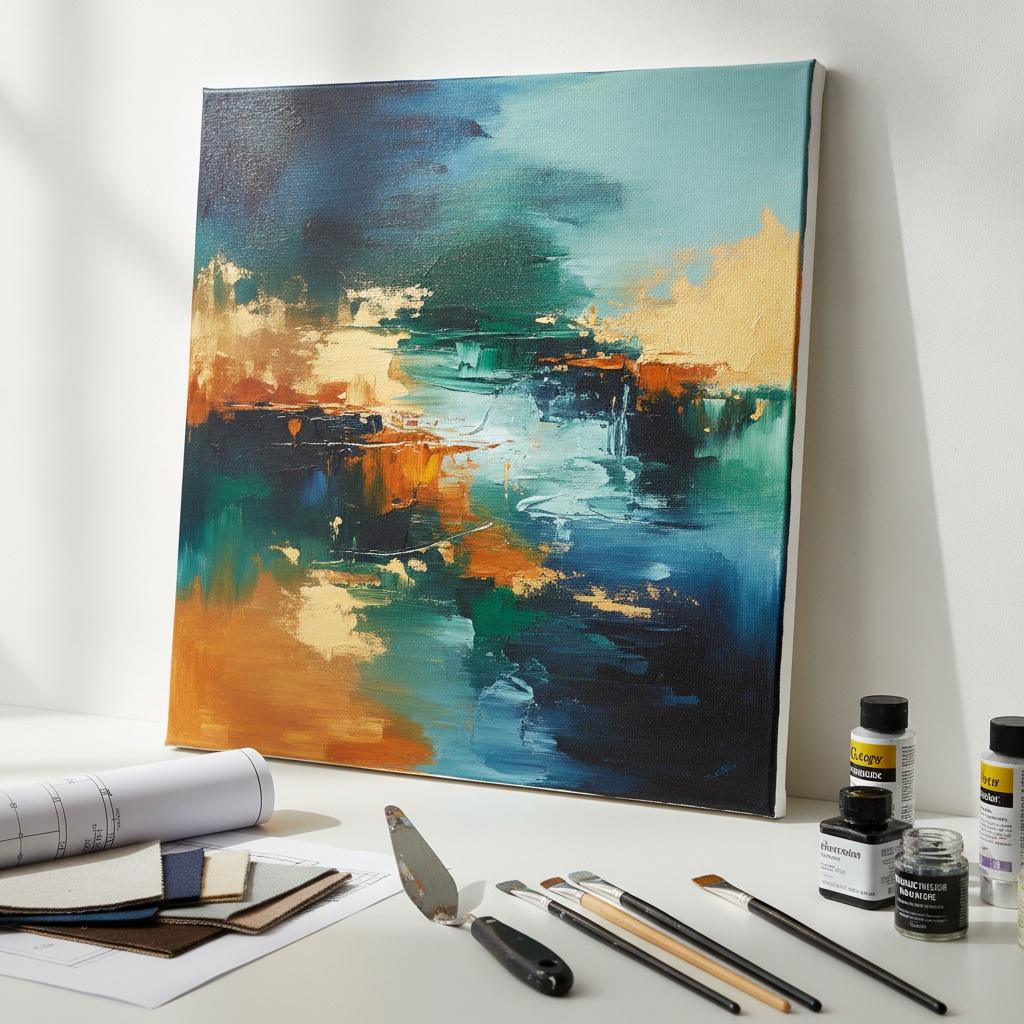
Beyond mere color matching, the tactile dimension of acrylic—specifically the ability to execute heavy impasto techniques—adds a layer of sensory depth that flat prints simply cannot achieve. A designer can request a "remix" of a historical masterpiece, perhaps requesting the light-drenched atmosphere of Monet or the bold, energetic forms of Studio Marion, to align with the hotel's specific mood. This level of bespoke control allows for the creation of a curated environment where every brushstroke serves the overarching brand narrative, all while maintaining the budgetary discipline required for large-scale rollouts.
Technical Specifications: Material Integrity, Pigment Stability, and Maintenance Requirements
From a technical standpoint, the success of an art installation in a commercial setting relies on the structural integrity of the materials used. High-quality acrylic reproductions are executed on 100% cotton canvas, stretched over professional-grade bars that are specifically braced to prevent warping under varying environmental loads. The use of flexible gesso ensures that the foundation of the painting remains stable, preventing the surface tension issues that can plague lesser-quality works in large formats.
Maintenance protocols for these pieces are straightforward, making them ideal for hotel operations teams. Unlike delicate works that require climate-controlled enclosures, well-varnished acrylics are resistant to dust and light moisture. To ensure the longevity of the investment, designers should simply avoid direct, harsh sunlight and utilize acid-free matting if the work is framed behind glass. This technical reliability ensures that the visual assets of a property remain as pristine in year ten as they were on the day of installation, protecting the capital expenditure of the owner.
Streamlining Procurement: Managing Bulk Orders and Multi-Panel Layouts for Hospitality Chains
For procurement managers and hospitality chains, the challenge of art acquisition is often one of logistics and scale. Furnishing a single hotel is a project; furnishing a global chain is an operational feat. Efficiency in this sector demands a supplier capable of handling high-volume orders with repeatable precision. The ability to order by the dozen, ensuring that the same stylistic language is applied across multiple properties, is essential for maintaining brand consistency across a portfolio.
A streamlined procurement process must include clear pricing, VAT-compliant documentation, and reliable global logistics. Whether managing a complex commission involving digital mockups for approval or coordinating the delivery of large-format rolls via DHL or FedEx, the workflow must be transparent and predictable. By utilizing professional services that offer pre-shipment photo approvals and dedicated Project Coordinators, designers can mitigate the risks of error in large-scale rollouts. This ensures that every piece, from a single portrait to a massive mural, arrives on time, within budget, and ready to elevate the guest experience.