Impressionism · 1864
Spring (William MacTaggart (Sir) (1835-1910), 1864)
William MacTaggart (Sir) (1835-1910) (1835–1910) har skabt Spring. Det er fra 1864. Det tilhører Impressionism-bevægelsen. Den er udført i Oil On Canvas. Det opbevares på Scottish National Gallery i Edinburgh, Storbritannien.
- 1864
- Oil On Canvas
- Scottish National Gallery, Edinburgh

 Se i rummet

 Håndmalet oliemalerie
 Del som kort
 Del
 Faktablad


 Download
 Lignende værker
 Røntgenundersøgelse
 Diasshow
 Spørgsmål og svar

 Statistikker
Spring kort fortalt
- Titel
- Spring
- Kunstner
- William MacTaggart (Sir) (1835-1910) (1835–1910)
- Kunstner født i
- Argyll and Bute, Storbritannien
- Dato
- 1864
- Medium
- Oil On Canvas
- Hvor det kan ses
- Scottish National Gallery, Edinburgh, Storbritannien
- Bevægelse
- Impressionism
- Periode
- 19th Century
- Motiv
- springtime, children playing, pastoral scene, outdoors, sheep, nature
Hvad forestiller Spring?
A Pastoral Dream of Unburdened Joy
To gaze upon William McTaggart's "Spring" is to step directly into a sun-drenched memory—a moment suspended in the golden haze of perfect childhood bliss. This painting captures an idyllic tableau where time seems to slow its breath, allowing us to absorb the simple, profound beauty of outdoor play. At its heart are two figures: a girl seated serenely while her companion reclines beside her, their shared space radiating warmth and effortless companionship. The scene is richly populated with life; scattered sheep graze peacefully across the verdant expanse, lending an authentic, pastoral rhythm to the composition. Above it all, the gentle presence of birds in the sky completes this picture of unspoiled nature.
The Artistry of Light and Atmosphere
McTaggart’s technique here is a masterful exercise in capturing ephemeral light. While rooted in the observational traditions that flirted with Impressionism, his handling of the scene transcends mere documentation. He doesn't just paint sunlight; he paints its quality—the way it filters through an unseen canopy, illuminating the dewdrops on the grass and casting soft shadows across the meadow. The artist possesses a remarkable ability to blend the tangible elements—the texture of the grass, the softness of the animals’ wool—with the intangible feeling of a perfect spring day. This careful orchestration of light is what gives the piece its luminous quality, making it an instant focal point for any thoughtfully decorated space.
Echoes of Scottish Landscape and Innocence
Understanding McTaggart's background enriches our appreciation for this work. Hailing from the windswept Kintyre Peninsula, his art is deeply informed by the dramatic interplay between rugged nature and human experience. In "Spring," that connection remains palpable; even amidst the domestic joy of the children, the surrounding landscape speaks of Scotland’s enduring spirit—a place where life unfolds in harmony with the seasons. The inclusion of the grazing sheep grounds the scene in a specific, timeless rural reality, suggesting a deep respect for the natural cycle and the simple rhythms of country life.
Symbolism of Renewal and Connection
Beyond its surface beauty, "Spring" resonates with potent symbolism. It is an overt celebration of renewal, marking the annual return of warmth and vitality after the dormancy of winter. The children themselves embody pure innocence—a state often sought in art for its untainted emotional resonance. For the collector or decorator, this piece offers more than just decoration; it serves as a visual balm. It invites contemplation on moments of connection, the enduring bonds between people, and the restorative power found in nature’s embrace. Owning this reproduction is to invite a feeling of perpetual springtime joy into your home.
Hvilket museum udstiller Spring?
Scottish National Gallery
Edinburgh, Storbritannien
Historien om Scottish National Gallery Etableret i 1859 indtager Scottish National Gallery en central position på The Mound i Edinburgh, Storbritannien. Institutionen blev grundlagt med det formål at huse en national samling af skønkunst, en mission der har været uændret siden indvielsen. Galleriet administreres af National Galleries Scotland, som fører tilsyn med bevaringen og præsentationen af den omfattende samling.


Højopløselige billeder af Spring

Public domain: kunstneren døde i 1910.
Andre størrelser, beskæringer og kildehenvisning →William MacTaggart (Sir) (1835-1910), Spring (1864), Scottish National Gallery. Public domain
Spørgsmål om Spring besvaret
Hvor kan man i dag se "Spring" af William MacTaggart (Sir) (1835-1910) udstillet?
"Spring" af William MacTaggart (Sir) (1835-1910) er udstillet på Scottish National Gallery, Edinburgh, Storbritannien. Museets fortegnelse henviser til det originale værk og ikke til reproduktioner.
Hvornår er "Spring" af William MacTaggart (Sir) (1835-1910) skabt?
"Spring" stammer fra 1864. Datoen placerer værket i William MacTaggart (Sir) (1835-1910)'s karriere og dets tidsalder.
Hvilken teknik er "Spring" udført med?
"Spring" er udført i Oil On Canvas.
Hvad forestiller "Spring" af William MacTaggart (Sir) (1835-1910)?
Temaerne i "Spring" af William MacTaggart (Sir) (1835-1910) omfatter springtime, children playing, pastoral scene, outdoors, sheep, nature, innocence, som tilsammen udgør værkets motivverden.
Er billedet af "Spring" af William MacTaggart (Sir) (1835-1910) frit tilgængeligt i det offentlige domæne?
"Spring" af William MacTaggart (Sir) (1835-1910) er i det offentlige domæne – ophavsretten er udløbet. Denne status bestemmer, hvordan billedet af værket må reproduceres.
Hvilken kunstner tilskrives "Spring"?
Kunstneren bag "Spring" er William MacTaggart (Sir) (1835-1910). Værket er katalogiseret under William MacTaggart (Sir) (1835-1910)s navn.
Hvilken stilart tilhører "Spring"?
"Spring" af William MacTaggart (Sir) (1835-1910) tilhører Impressionism-bevægelsen. Denne bevægelse giver den stilistiske kontekst for værket.
Hvilken fase af William MacTaggart (Sir) (1835-1910)s kunstneriske udvikling repræsenterer "Spring"?
"Spring" tilhører Late Period i William MacTaggart (Sir) (1835-1910)s karriere. Denne klassificering knytter værket til kunstnerens udvikling.
Hvor gammel var William MacTaggart (Sir) (1835-1910), da "Spring" blev skabt?
Da "Spring" blev skabt i 1864, var William MacTaggart (Sir) (1835-1910) – født i 1835 – 29 år gammel.
Om kunstneren, William MacTaggart (Sir) (1835-1910)

1835–1910, Storbritannien
William MacTaggart (Sir) (1835-1910)
William McTaggart: Broen mellem landskab og sjæl William McTaggart (1835-1910) står som en skelsættende skikkelse i skotsk kunst i slutningen af det 19. og begyndelsen af det 20. århundrede; en maler, der med mesterlig hånd navigerede gennem impressionismens skiftende strømninger, mens han bevarede en dybt forankret forbindelse til sit hjemlige landskab. Født på den vindblæste Kintyre-halvø i Skotland – en region formet af det nådesløse Atlanterhav – er McTaggens værk langt mere end blot en gengivelse; det er en intim udforskning af lys, atmosfære og det dybe forhold mellem menneske og natur.
Om William MacTaggart (Sir) (1835-1910) Bemærkelsesværdige værker af William MacTaggart (Sir) (1835-1910)
Også af William MacTaggart (Sir) (1835-1910)
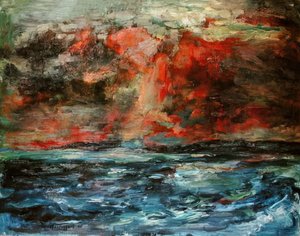 Stormvejr
 A Study of Two Female Nude Models1858
 A Ground Swell, Carradale, Argyll1886
 A Study of Oak Leaves in Autumn (Self-portrait)1892

Essays om Spring
 Pastoral Elegance: The Timeless Allure of the Shepherd in Art History's Most Idyllic MasterpiecesExplore the profound beauty of pastoral art history. From the mythic Arcadian ideal to Gainsborough’s landscapes, discover how timeless she…
 Capturing Light: A Masterclass in the Ethereal Beauty of Impressionistic LandscapesExplore the ethereal beauty of Impressionist landscapes. Discover how masters like Monet captured fleeting light through color and texture,…
 British impressionist paintersMasterpieces by John Lavery and Philip Wilson Steer define British Impressionism. Explore the full collection online at OriginalUniqueArt.c…