Romantic Landscape Painting · 1816
wivenhoe park (John Constable, 1816)
John Constable (1776–1837) har skabt wivenhoe park. Det er fra 1816. Det tilhører Romantic Landscape Painting-bevægelsen. Den er udført i Oil On Canvas.
- 1816
- Oil On Canvas

 Se i rummet

 Håndmalet oliemalerie
 Del som kort
 Del
 Faktablad


 Download
 Lignende værker
 Røntgenundersøgelse
 Diasshow
 Spørgsmål og svar

 Statistikker
wivenhoe park kort fortalt
- Titel
- wivenhoe park
- Kunstner
- John Constable (1776–1837)
- Kunstner født i
- East Bergholt, Storbritannien
- Dato
- 1816
- Medium
- Oil On Canvas
- Bevægelse
- Romantic Landscape Painting
- Periode
- 19th Century
- Motiv
- landscape painting, rural england, cow herd, light & shadow, pastoral scene, british art
Hvad forestiller wivenhoe park?
A Symphony of Light and Pastoral Serenity
In the annals of English Romanticism, few works capture the ephemeral magic of the countryside as profoundly as John Constable’s Wivenhoe Park. Completed in 1816, this masterpiece serves as much more than a mere topographical record of an Essex estate; it is a poetic meditation on the harmony between humanity and the natural world. As the eye wanders across the canvas, one is immediately struck by the palpable sense of peace that pervades the scene. The lush, verdant meadows, dotted with grazing cows and spirited horses, evoke a pastoral ideal where time seems to slow, inviting the viewer into a realm of eternal tranquility. For the discerning collector or interior designer, this painting offers an unparalleled sense of calm, making it a foundational piece for any space intended to inspire reflection and grace.
Constable’s technical mastery is most evident in his revolutionary approach to light and atmosphere. Eschewing the rigid, static compositions of his predecessors, he employed a loose, expressive brushwork that allows the sunlight to appear as if it is actively dancing across the landscape. Through the delicate use of atmospheric perspective, Constable creates a breathtaking sense of depth, where distant trees dissolve into soft, hazy blues and greens, suggesting the moisture-laden air characteristic of the English climate. This interplay of brilliant sunshine and cool, dappified shade creates a dynamic tension that breathes life into the canvas, ensuring that the painting feels less like a frozen moment and more like a living, breathing ecosystem.
Historical Resonance and Symbolic Depth
Beyond its aesthetic splendor, Wivenhoe Park carries significant historical weight. Commissioned by Major General Francis Slater Rebow, the painting stands as a testament to the patronage system that allowed the Romantic movement to flourish in Britain. The subject matter—the Rebow family's estate—was not merely a display of landed wealth but a celebration of fertility and abundance. The presence of livestock and the subtle inclusion of figures tending to the land symbolize a symbiotic relationship between man and nature, a theme that resonated deeply during an era when the Industrial Revolution was beginning to irrevocably alter the British landscape. By focusing on this idyllic, untouched version of the countryside, Constable provides a nostalgic window into a vanishing way of life.
For those seeking to integrate fine art into a modern interior, a high-quality reproduction of this work offers more than just decoration; it brings a narrative of endurance and beauty. The painting’s ability to anchor a room with its soft palette and rhythmic composition makes it an ideal choice for creating sophisticated, soulful environments. Whether placed in a sunlit study or a grand living area, Wivenhoe Park continues to perform its original function: acting as a window into a world of sublime harmony, reminding us of the enduring power of the natural spirit.
Højopløselige billeder af wivenhoe park
Public domain: kunstneren døde i 1837.
John Constable, wivenhoe park (1816). Public domain
Spørgsmål om wivenhoe park besvaret
Hvornår blev "wivenhoe park" skabt?
"wivenhoe park" af John Constable blev skabt i 1816.
Hvilken teknik er brugt til "wivenhoe park" af John Constable?
John Constable brugte Oil On Canvas-teknikken til "wivenhoe park". Teknikken definerer det originale værks materielle karakter.
Hvad forestiller "wivenhoe park" af John Constable?
"wivenhoe park" af John Constable forestiller: landscape painting, rural england, cow herd, light & shadow, pastoral scene, british art, romanticism, farm estate.
Er billedet af "wivenhoe park" af John Constable frit tilgængeligt i det offentlige domæne?
"wivenhoe park" af John Constable er i det offentlige domæne – ophavsretten er udløbet. Denne status bestemmer, hvordan billedet af værket må reproduceres.
Hvem har skabt "wivenhoe park"?
Kunstneren bag "wivenhoe park" er John Constable. Værket er katalogiseret under John Constables navn.
Hvilken kunstretning tilhører "wivenhoe park" af John Constable?
Kunstretningen forbundet med "wivenhoe park" af John Constable er Romantic Landscape Painting. Denne klassificering placerer værket blandt relaterede kunstnere og kunstværker.
Hvilken fase af John Constables kunstneriske udvikling repræsenterer "wivenhoe park"?
Inden for John Constables karriere tilhører "wivenhoe park" perioden Mature Period, hvilket gør det muligt at sammenligne værket med kunstnerens øvrige værker.
Hvor gammel var John Constable, da "wivenhoe park" blev skabt?
John Constable skabte "wivenhoe park" i en alder af 40. Kunstneren blev født i 1776, og værket er dateret 1816.
Hvad er årsagen til ophavsretsstatus for "wivenhoe park" af John Constable?
"wivenhoe park" af John Constable er i det offentlige domæne – ophavsretten er udløbet. Ophavsretten beregnes ud fra kunstnerens dødsår, og John Constable døde i 1837.
Om kunstneren, John Constable
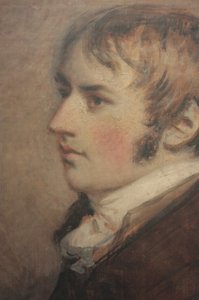
1776–1837, Storbritannien
John Constable
Tidligt liv, familie og uddannelse John Constable blev født i 1776 i landsbyen East Bergholt i Suffolk. Han var den anden søn af Golding og Ann (Watts) Constable. Hans far var en velstående korn- og kulhandler, der ejede Flatford Mill. Denne tætte forbindelse til floden og den lokale handel betød, at vandets rytmer og varernes konstante bevægelse var en integreret del af husholdningens daglige liv.
Om John Constable Bemærkelsesværdige værker af John Constable
Også af John Constable
 Havedalen1821
 Udsigt over Salisbury Cathedral fra Biskoppens Grund1823
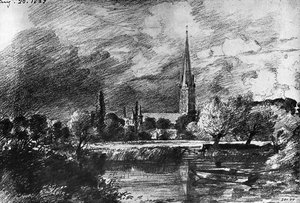 Salisbury Domkirke
 Høvognen (detalje)1821
Essays om wivenhoe park
 John Constables 25 Mesterværker: En Hyldest til Englands Landskabskunst | OriginalUniqueArt.comOplev John Constables 25 mest ikoniske værker! Fordyb dig i engelsk romantik, betagende landskaber og tidløs skønhed. Køb museumskvalitets …
 25 Must-See Masterpieces at the Yale Center for British ArtExplore 25 iconic works from Turner to Hogarth at Yale Center for British Art. Discover every masterpiece on OriginalUniqueArt.com.
 British artworks of the 1800s19th-century British art featuring the masterpieces of John Constable, William Blake, and Thomas Lawrence. View the full collection at Orig…