Impressionistic Sketching
The Orchard (James Ensor)
James Ensor (1860–1949) har skabt The Orchard. Det tilhører Impressionistic Sketching-bevægelsen. Den er udført i Acrylic On Canvas. Det opbevares på Harvard Art Museums i Cambridge, USA.
- Acrylic On Canvas
- Harvard Art Museums, Cambridge

 Se i rummet

 Håndmalet oliemalerie
 Del som kort
 Del
 Faktablad


 Download
 Lignende værker
 Røntgenundersøgelse
 Diasshow
 Spørgsmål og svar

 Statistikker
The Orchard kort fortalt
- Titel
- The Orchard
- Kunstner
- James Ensor (1860–1949)
- Kunstner født i
- Oostende, Belgien
- Medium
- Acrylic On Canvas
- Hvor det kan ses
- Harvard Art Museums, Cambridge, USA
- Bevægelse
- Impressionistic Sketching
- Periode
- Early Medieval
- Motiv
- orchard, landscape, sketch, trees, rural, sketching
Hvad forestiller The Orchard?
A Silent Orchard’s Echoes: James Ensor's "The Orchard"
James Ensor’s “The Orchard,” painted in 1886, isn’t merely a depiction of a rural landscape; it’s a carefully constructed psychological portrait rendered with the unsettling precision that defined the artist’s unique vision. Born in Ostend, Belgium, amidst a vibrant carnival scene – a world of masks and theatricality – Ensor carried this fascination throughout his career, translating its inherent ambiguity into his art. “The Orchard” embodies this perfectly, presenting a seemingly tranquil vista that immediately hints at something deeper, something subtly unsettling beneath the surface. The painting’s monochrome palette—a carefully orchestrated dance of grays—immediately establishes an atmosphere of quiet contemplation and restrained emotion. It's not a celebration of nature’s beauty in its purest form, but rather a considered observation filtered through Ensor’s intensely personal lens.Composition and Technique: A Sketch from the Soul
The composition is deceptively simple, yet profoundly effective. A modest building—perhaps a farmhouse or a small dwelling—nestles within a cluster of trees that recede into a hazy distance. The arrangement isn’t one of dramatic perspective; instead, it feels like a quick sketch, an impression captured in charcoal or pencil – a deliberate choice by Ensor to convey immediacy and spontaneity. Notice the visible strokes, the delicate layering of lines that build up form and texture. This technique—a hallmark of Ensor's style—is not about meticulous detail but rather about capturing the *feeling* of the scene, the way light falls on bark and shadow plays across leaves. The use of hatching and cross-hatching creates a tactile quality, inviting the viewer to almost reach out and touch the surface of the painting. The artist’s hand is undeniably present, lending an intimate and slightly melancholic quality to the work.Symbolism and the Weight of Memory
While seemingly straightforward, “The Orchard” bristles with symbolic weight. The muted colors, the solitary building, and the dense foliage all contribute to a sense of isolation and introspection. Considering Ensor’s background—his childhood spent amidst the spectacle of carnival masks – it's not surprising that this motif reappears here, albeit subtly. The orchard itself can be interpreted as a metaphor for memory, a place where fragments of the past are preserved and revisited. The building, small and unassuming, suggests a retreat from the world, a space for quiet contemplation—or perhaps, for dwelling on unresolved emotions. The lack of vibrant color further reinforces this sense of melancholy, suggesting that even in a beautiful setting, there’s an underlying sadness.Historical Context & Influences
- Ensor's work is often associated with the Symbolist movement and foreshadows Expressionism, emphasizing emotional intensity over realistic representation.
- His use of masks and theatrical elements reflects a broader interest in exploring the darker aspects of human psychology.
- The painting’s stark monochrome palette aligns with the artistic trends of late 19th-century Europe, where artists sought to move beyond traditional academic styles.
An Emotional Resonance: A Quiet Contemplation
Ultimately, “The Orchard” is a profoundly moving work that transcends its simple subject matter. It’s not a painting about apples or trees; it's a painting about the human condition—about memory, loss, and the quiet beauty of solitude. The subdued colors and expressive brushstrokes evoke a sense of melancholy and introspection, inviting viewers to contemplate their own personal histories and emotional landscapes. Reproductions of this piece offer a remarkable opportunity to bring this evocative atmosphere into any space, providing a focal point for reflection and conversation. It’s a testament to Ensor's genius that a seemingly simple orchard can hold such profound depth and resonance.Hvilket museum udstiller The Orchard?
Harvard Art Museums
Cambridge, USA
Historien om Harvard Art Museums Harvard Art Museums udgør en uadskillelig del af Harvard University. Institutionens nuværende form blev skabt gennem en sammensmeltning af tre særskilte enheder i 1983. Denne forening bragte Fogg Museum, grundlagt i 1895, sammen med Busch-Reisinger Museum, stiftet i 1903, og Arthur M.


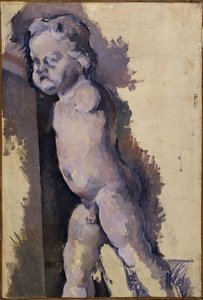
Højopløselige billeder af The Orchard
Public domain: kunstneren døde i 1949.
James Ensor, The Orchard, Harvard Art Museums. Public domain
Spørgsmål om The Orchard besvaret
Hvor kan jeg se det originale værk "The Orchard" af James Ensor?
Du kan se det originale værk "The Orchard" på Harvard Art Museums, Cambridge, USA.
Hvilken teknik er "The Orchard" udført med?
"The Orchard" er udført i Acrylic On Canvas.
Hvad forestiller "The Orchard"?
Motiverne i "The Orchard" er orchard, landscape, sketch, trees, rural, sketching, monochrome.
Er "The Orchard" fri for ophavsret?
Hvad angår ophavsret, er "The Orchard" i det offentlige domæne – ophavsretten er udløbet.
Hvilken kunstner tilskrives "The Orchard"?
Kunstneren bag "The Orchard" er James Ensor. Værket er katalogiseret under James Ensors navn.
Hvilken stilart tilhører "The Orchard"?
"The Orchard" af James Ensor tilhører Impressionistic Sketching-bevægelsen. Denne bevægelse giver den stilistiske kontekst for værket.
Hvor i James Ensors karriere placerer "The Orchard" sig?
"The Orchard" repræsenterer James Ensors Late Period.
Hvad er årsagen til ophavsretsstatus for "The Orchard" af James Ensor?
"The Orchard" af James Ensor er i det offentlige domæne – ophavsretten er udløbet. Ophavsretten løber fra kunstnerens dødsår, som var 1949.
Opbevares "The Orchard" i kunstnerens hjemland?
Nej – kunstværket opbevares i udlandet. James Ensor blev født i Belgien, og det originale værk "The Orchard" opbevares på et museum i USA.
Om kunstneren, James Ensor

1860–1949, Belgien
James Ensor
Tidligt liv, familie og kunstnerisk uddannelse James Ensor blev født den 13. april 1860 i Ostend, Belgien. Hans identitet blev formet af et helt særligt kulturelt krydsfelt: Hans far, James Frederic Ensor, var født i Bruxelles af engelske forældre, mens hans mor, Maria Catherina Haegheman, var belgisk. Denne dobbelte kulturarv lagde fundamentet for et perspektiv, der ofte befandt sig uden for de lokale traditioners snævre rammer.
Også af James Ensor
 Kristi indtog i Bruxelles1888
 Selvportræt med masker1899
 Badene i Ostend
 Skeletter der varmer sig1889
Essays om The Orchard
 Det 19. Århundredes Mestre: Top 10 Kunstværker til Din BoligOplev 19. århundredets kunst gennem 10 ikoniske mesterværker! Fra Monet og Manet til Courbet – udforsk romantik, impressionisme & realisme.…
 The Impressionist’s Sanctuary: Light and Water in Monet’s Giverny GardenExplore Monet's Giverny through expert analysis of his light and water techniques. Step into the master's garden today.
 Følelsesmæssig Transmutation i Visuel Kunst: En Studie af Affektiv Repræsentation Gennem Farve, Form og TeksturDyk ned i farvernes psykologi og kunstens emotionelle verden! Udforsk hvordan form, tekstur & historiske mesterværker fremkalder følelser. …