Portræt af Giovanni Battista Gaulli

De 57 mest berømte Giovanni Battista Gaulli-malerier, hver og en unik

Opdateret november 2026 · rangeret efter vores popularitetsscore (søgninger, besøg og ordrer for hvert værk) · 63 værker af Giovanni Battista Gaulli i vores katalog

Kort sagt

Cardinal Leopoldo de' Medici (1667) er det maleri af Giovanni Battista Gaulli, der vækker mest opsigt; originalen findes på Galleria degli Uffizi, Firenze. Derefter falder blikket på Gian Lorenzo Bernini (1673) og The Preaching of St John the Baptist (1690). Blandt de 63 værker af Giovanni Battista Gaulli i vores katalog er disse 57 de mest berømte, hver især et unikt originalværk præsenteret med sit årstal, sit museum og årsagen til dets tidløse betydning.

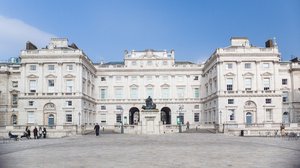
1639 – 1709, Genova Baroque Flest værker: Courtauld Gallery

Top 10 malerier af Giovanni Battista Gaulli, set gennem galleriets øjne

1
Cardinal Leopoldo de' Medici (1667) af Giovanni Battista Gaulli

Cardinal Leopoldo de' Medici

1667 · Oil On Canvas · Galleria degli Uffizi, Firenze

To gaze upon Giovanni Battista Gaulli's depiction of Cardinal Leopoldo de' Medici is to step directly into the opulent, dramatic heart of 17th-century Rome. This portrait is not merely a likeness; it is a carefully constructed statement of power, piety, and intellectual weight. The subject, clad in the unmistakable crimson robes and pristine white collar of a high-ranking cleric, commands attention with an inherent dignity. Gaulli, known by his evocative…

2
Gian Lorenzo Bernini (1673) af Giovanni Battista Gaulli

Gian Lorenzo Bernini

1673 · Olie på lærred · Courtauld Gallery, London

Gian Lorenzo Bernini og Detto Baciccio Giovanni Battista Gaulli: Et Kaleidoskop af Lys og Tro Giovanni Battista Gaulli (Detto Baciccio) var en italiensk kunstner, hvis navn ofte blev forbundet med den ikoniske Gian Lorenzo Bernini. Han var ikke blot Berninis elev, men også hans samarbejdspartner i skabelsen af nogle af Barokkens mest imponerende monumenter og fresker – et forhold der definerede både kunstnerisk stil og den måde, hvorpå kunsthistorien blev…

3
The Preaching of St John the Baptist (1690) af Giovanni Battista Gaulli

The Preaching of St John the Baptist

1690 · Oil On Canvas

The painting is titled The Preaching of St John the Baptist, and it is also known as The Sermon of St. John the Baptist. This work of religious art was created by the artist Giovanni Battista Gaulli, who was also known by the name Baciccio. The composition focuses on the figure of John the Baptist as he addresses a gathered crowd.

4
Pope Clement X (1590–1676) (1670) af Giovanni Battista Gaulli

Pope Clement X (1590–1676)

1670 · Oil On Canvas · Metropolitan Museum of Art, New York

In this bust-length portrait, we encounter Pope Clement X, depicted in the winter garb of his office. He wears a fur-lined camauro and a sumptuous mozzetta, the textures of which are rendered with a tactile precision that invites close inspection. The deep reds of the velvet fabric provide a heavy, grounding weight to the composition, contrasted sharply by the stark white of the ermine trim. There is a quiet gravity…

5
St. Ignatius in ecstasy (1600) af Giovanni Battista Gaulli

St. Ignatius in ecstasy

1600 · Oil On Canvas · Pinacoteca Stuard, Parma

In St. Ignatius in ecstasy by Giovanni Battista Gaulli, the viewer gazes into an oval frame where a profound spiritual encounter unfolds. The central figure of St. Ignatius reaches upward, his arms outstretched toward the heavens in a gesture of total surrender. He does not stand alone in this celestial moment; instead, several angels surround him, drifting at varying distances to create a sense of deep, layered space. This arrangement…

6
Portrait of a clergyman (1660) af Giovanni Battista Gaulli

Portrait of a clergyman

1660 · Oil On Canvas · Nationalmuseet i Warszawa, Warszawa

The work titled Portrait of a clergyman is a painting by Giovanni Battista Gaulli. This portrait, also identified as Giovanni Battista Spinola junior in ecclesiastical garb, captures a figure of quiet authority. The artist, known by the nicknames Baciccio or Baciccia, rendered this image during the second half of the seventeenth century. It remains a significant example of the Italian Baroque period.

7
Joseph recognized by his brothers (1650) af Giovanni Battista Gaulli

Joseph recognized by his brothers

1650 · Oil · Musée Fesch, Aix-en-Provence

In Joseph recognized by his brothers, Giovanni Battista Gaulli orchestrates a scene of intense movement and crowded energy. The composition pulls the viewer into a theatrical arrangement of figures in the foreground, where bodies lean and arms reach in a flurry of sudden emotion. A strong use of chiaroscuro carves out the muscular forms of the men, lending them a heavy, sculptural presence. Light pours from an upper left source,…

8
Portrait of cardinal Marco Galli (1650) af Giovanni Battista Gaulli

Portrait of cardinal Marco Galli

1650 · Oil On Canvas · Nationalmuseet for kunst i Rumænien, Bukarest

The Portrait of cardinal Marco Galli presents us with a formal encounter with authority and religious dignity. Painted by the Italian artist Giovanni Battista Gaulli, this work captures a moment of quiet, seated power. The subject, a high-ranking cleric, gazes out from a setting that feels both intimate and grand, draped in the heavy textures of ecclesiastical life. We see him as a man of intellect and duty, a figure…

9
The Pietà (Mary Lamenting the Dead Christ) (1667) af Giovanni Battista Gaulli

The Pietà (Mary Lamenting the Dead Christ)

The canvas holds a heavy, silent grief. Mary cradles the limp body of her son, her arms forming a vessel for the dead Christ. The pale skin of the deceased contrasts against the shadows that press in from the edges. Two figures flank the central mourning, their presence anchoring the scene in a shared, quiet agony. Near the center and the bottom of the frame, the presence of three small…

10
Portrait of Cardinal Paluzzo Paluzzi degli Albertoni (1666) af Giovanni Battista Gaulli

Portrait of Cardinal Paluzzo Paluzzi degli Albertoni

1666 · Oil On Canvas · Staatliche Kunsthalle Karlsruhe, Karlsruhe

The Portrait of Cardinal Paluzzo Paluzzi degli Albertoni is a work by the Italian Baroque painter Giovanni Battista Gaulli. Created about 1666, the oil on canvas captures the presence of Paluzzo Paluzzi Altieri degli Albertoni. The artist, often known by the name Baciccio, brings a sense of weight to the sitter through the careful application of pigment and light.

Giovanni Battista Gaullis berømte malerier, nummer 11 til 57

11Self-portrait (1667) af Giovanni Battista GaulliSelf-portrait1667 · Vasari Corridor 12Portrait of Pope Clement IX Rospigliosi blessing (1668) af Giovanni Battista GaulliPortrait of Pope Clement IX Rospigliosi blessing1668 · Galleria Nazionale d'Arte Antica 13Portrait of Clement IX blessing (1667) af Giovanni Battista GaulliPortrait of Clement IX blessing1667 · Palazzo Chigi of Ariccia 14Emmanuel-Théodose de la Tour d'Auvergne, Cardinal de Bouillon (1643-1715) (1669) af Giovanni Battista GaulliEmmanuel-Théodose de la Tour d'Auvergne, Cardinal de Bouillon (1643-1715)1669 · Opera House 15Portrait of Gian Lorenzo Bernini (1665) af Giovanni Battista GaulliPortrait of Gian Lorenzo Bernini1665 · Galleria Nazionale d'Arte Antica 16Portrait of Gian Lorenzo Bernini (1665) af Giovanni Battista GaulliPortrait of Gian Lorenzo Bernini1665 17Sketch for "The Four Prophets of Israel" (for Il Gesù, Rome) (1676) af Giovanni Battista GaulliSketch for "The Four Prophets of Israel" (for Il Gesù, Rome)1676 · Cleveland Museum of Art 18The Sacrifice of Noah (1684) af Giovanni Battista GaulliThe Sacrifice of Noah1684 · Nationalmuseet for kunst, arkitektur og design 19The Adoration of the Lamb (Modello from the apse fresco in Il Gesu, Rome) (1680) af Giovanni Battista GaulliThe Adoration of the Lamb (Modello from the apse fresco in Il Gesu, Rome)1680 · Fine Arts Museums of San Francisco 20St. Joseph and the Infant Christ (1677) af Giovanni Battista GaulliSt. Joseph and the Infant Christ1677 · Norton Simon Museum 21Gianlorenzo Bernin (1675) af Giovanni Battista GaulliGianlorenzo Bernin1675 · Scottish National Gallery 22Apotheosis of St Ignatius (1685) af Giovanni Battista GaulliApotheosis of St Ignatius1685 23Madonna with Child piercing the Head of the Serpent ('Madonna della Serpe') (1697) af Giovanni Battista GaulliMadonna with Child piercing the Head of the Serpent ('Madonna della Serpe')1697 · Birmingham Museum and Art Gallery 24Diana the Huntress (1690) af Giovanni Battista GaulliDiana the Huntress1690 · Minneapolis Institute of Art 25St Agnes in Glory (1690) af Giovanni Battista GaulliSt Agnes in Glory1690 · Statens Museum for Kunst 26Cardinal Taddeo Luigi dal Verme (1700) af Giovanni Battista GaulliCardinal Taddeo Luigi dal Verme1700 · Rhode Island School of Design Museum of Art 27Portrait of a Man (1700) af Giovanni Battista GaulliPortrait of a Man1700 · Walters Art Museum 28Kristus giver nattværdet til en hellig abbedisse (1690) af Giovanni Battista GaulliKristus giver nattværdet til en hellig abbedisse1690 · Louvre 29The Three Marys at the Sepulchre (1685) af Giovanni Battista GaulliThe Three Marys at the Sepulchre1685 · Fitzwilliam-museet 30Portrait of a Woman (1670) af Giovanni Battista GaulliPortrait of a Woman1670 · Metropolitan Museum of Art 31Portrait of a Lady (1674) af Giovanni Battista GaulliPortrait of a Lady1674 32Gian Lorenzo Bernini (1673) af Giovanni Battista GaulliGian Lorenzo Bernini1673 · Courtauld Gallery 33The Triumph of the Name of Jesus (1677) af Giovanni Battista GaulliThe Triumph of the Name of Jesus1677 34Gianlorenzo Bernini (1598–1680) (1675) af Giovanni Battista GaulliGianlorenzo Bernini (1598–1680)1675 · Scottish National Gallery 35Holy Family with the Young St John the Baptist and St Elizabeth (1687) af Giovanni Battista GaulliHoly Family with the Young St John the Baptist and St Elizabeth1687 36The Vision of St Francis Xavier (1675) af Giovanni Battista GaulliThe Vision of St Francis Xavier1675 · Vatikanets Pinacoteca 37The Three Maries at the Empty Sepulchre (1684) af Giovanni Battista GaulliThe Three Maries at the Empty Sepulchre1684 38Study for a Young Man Dancing (1682) af Giovanni Battista GaulliStudy for a Young Man Dancing1682 · Kunstpalast 39Bacchanal (1675) af Giovanni Battista GaulliBacchanal1675 · The Ema Klabin House Museum 40Death of Saint Francis Xavier in Shangchuan (1676) af Giovanni Battista GaulliDeath of Saint Francis Xavier in Shangchuan1676 · Museu de São Roque 41The Virgin and Child Piercing the Head of the Serpent (1695) af Giovanni Battista GaulliThe Virgin and Child Piercing the Head of the Serpent1695 42Nave vault (1707) af Giovanni Battista GaulliNave vault1707 43Apotheosis of the Franciscan Order (1707) af Giovanni Battista GaulliApotheosis of the Franciscan Order1707 44The Rest on the Flight into Egypt (1700) af Giovanni Battista GaulliThe Rest on the Flight into Egypt1700 45St. Agnes is Received into Heaven (1689) af Giovanni Battista GaulliSt. Agnes is Received into Heaven1689 · Kunstpalast 46Rest on the Flight into Egypt af Giovanni Battista GaulliRest on the Flight into EgyptAccademia di San Luca 47Portrait of Pope Alexander VII af Giovanni Battista GaulliPortrait of Pope Alexander VIINational Portrait Gallery of Sweden 48Landscape with Tobias and the Angel af Giovanni Battista GaulliLandscape with Tobias and the AngelBode Museum 49Saint John the Baptist af Giovanni Battista GaulliSaint John the Baptist 50La Conversion de saint Paul af Giovanni Battista GaulliLa Conversion de saint PaulMusée des Augustins 51Christ in Glory with the Angels af Giovanni Battista GaulliChrist in Glory with the Angels 52Cupola decoration (1676) af Giovanni Battista GaulliCupola decoration1676 53St John the Baptist (1676) af Giovanni Battista GaulliSt John the Baptist1676 · Manchester Art Gallery 54The Continence of Scipio (1687) af Giovanni Battista GaulliThe Continence of Scipio1687 55Abraham af Giovanni Battista GaulliAbrahamHigh Museum of Art 56Adoration of the Name of Jesus (1676) af Giovanni Battista GaulliAdoration of the Name of Jesus1676 57Portrait of Cardinal Marco Gallo (1681) af Giovanni Battista GaulliPortrait of Cardinal Marco Gallo1681 · National Gallery

Giovanni Battista Gaullis berømte malerier, periode for periode

Motiverne, der fangede Giovanni Battista Gaullis blik

De fire motiver, der optræder hyppigst i disse originaler, hver med sit fineste eksempel.

De museer, der udstiller Giovanni Battista Gaullis originalværker

De 8 museer, der rummer flest af malerierne på denne side.

Museum By Værker af Giovanni Battista Gaulli Malerier fra denne liste
Courtauld Gallery, LondonCourtauld Gallery London 2 Gian Lorenzo Bernini, Gian Lorenzo Bernini
Metropolitan Museum of Art, New YorkMetropolitan Museum of Art New York 2 Pope Clement X (1590–1676), Portrait of a Woman
Galleria Nazionale d'Arte Antica, RomGalleria Nazionale d'Arte Antica Rom 2 The Pietà (Mary Lamenting the Dead Christ), Portrait of Gian Lorenzo Bernini
Scottish National Gallery, EdinburghScottish National Gallery Edinburgh 2 Gianlorenzo Bernin, Gianlorenzo Bernini (1598–1680)
Kunstpalast, DüsseldorfKunstpalast Düsseldorf 2 Study for a Young Man Dancing, St. Agnes is Received into Heaven
Galleria degli Uffizi, FirenzeGalleria degli Uffizi Firenze 1 Cardinal Leopoldo de' Medici
Pinacoteca Stuard, ParmaPinacoteca Stuard Parma 1 St. Ignatius in ecstasy
Nationalmuseet i Warszawa, WarszawaNationalmuseet i Warszawa Warszawa 1 Portrait of a clergyman

Giovanni Battista Gaulli gennem årtierne: ét unikt originalværk til hver

Værker per årti

Vælg et årti for at se det originale værk, der definerer det.

Giovanni Battista Gaullis malerier: spørgsmål til galleriet

Hvad er det mest berømte værk af Giovanni Battista Gaulli?Vis svaret

Cardinal Leopoldo de' Medici (1667), Galleria degli Uffizi, Firenze. Derefter følger Gian Lorenzo Bernini (1673) og The Preaching of St John the Baptist (1690).

Hvilken alder havde Giovanni Battista Gaulli, da Cardinal Leopoldo de' Medici blev skabt?Vis svaret

28 år gammel: Cardinal Leopoldo de' Medici er fra 1667, og Giovanni Battista Gaulli blev født i 1639.

Hvilke ti malerier af Giovanni Battista Gaulli er de mest berømte?Vis svaret

Cardinal Leopoldo de' Medici, Gian Lorenzo Bernini, The Preaching of St John the Baptist, Pope Clement X (1590–1676), St. Ignatius in ecstasy, Portrait of a clergyman, Joseph recognized by his brothers, Portrait of cardinal Marco Galli, The Pietà (Mary Lamenting the Dead Christ) og Portrait of Cardinal Paluzzo Paluzzi degli Albertoni. Ranglisten ovenfor viser det enkelte værks årstal og museum.

Hvor mange værker af Giovanni Battista Gaulli er kendt?Vis svaret

Vores katalog indeholder 63 værker af Giovanni Battista Gaulli, dateret fra 1650 til 1707.

Hvor kan de mest berømte originaler af Giovanni Battista Gaulli ses?Vis svaret

Primært i Courtauld Gallery (London), Metropolitan Museum of Art (New York) og Galleria Nazionale d'Arte Antica (Rom). Museumslisten ovenfor viser dem alle.

I hvilken periode skabte Giovanni Battista Gaulli sine mest kendte malerier?Vis svaret

I 1670s: 16 af de 57 værker på denne side blev skabt dengang, herunder Gian Lorenzo Bernini.

Hvilket berømt maleri af Giovanni Battista Gaulli er det tidligste, og hvilket er det seneste?Vis svaret

På denne side er det tidligste Joseph recognized by his brothers (1650) og det seneste Nave vault (1707).

Hvilke motiver foretrak Giovanni Battista Gaulli?Vis svaret

Man (20), Angels (10) og Woman (10), fordelt på de 57 værker på denne side.

Hvilke materialer brugte Giovanni Battista Gaulli mest til sine malerier?Vis svaret

Oil On Canvas, for 23 af de 57 værker på denne side.

Hvilken stilart tilhører værkerne fra Giovanni Battista Gaulli?Vis svaret

Baroque, baseret på originalerne på denne side.

Hvilke originalværker af Giovanni Battista Gaulli kan jeg se på Courtauld Gallery?Vis svaret

Gian Lorenzo Bernini og Gian Lorenzo Bernini: Courtauld Gallery, London har 2 af værkerne på denne side.

Giovanni Battista Gaulli: et portræt af kunstneren

Illusionens Arkitekt: Livet og eftermælet efter Giovanni Battista Gaulli

I den storslåede og teatralske verden i den romerske barok er der få navne, der indgyder lige så meget ærefrygt som Giovanni Battista Gaulli. Kendt kærligt af sine samtidige og eftertiden som Baciccio—et genovese-diminutiv, der betyder "den lille maler"—malede Gaulli ikke blot overflader; han opløste dem. Han blev født i Genova den 8. maj 1639, og hans tidlige liv blev formet af de livlige kunstneriske strømninger i Norditalien, men det var hans flytning til Rom i 1657, der for altid skulle ændre den vestlige kunsts bane. Denne bevægelse placerede ham i selve hjertet af modreformationens visuelle propaganda, hvor kunstens mål var at overvælde sanserne og transportere sjælen mod det guddommelige.

Grundlaget for Gaullis geni blev lagt i kredsen omkring den legendariske Gian Lorenzo Bernini. Ved at fordybe sig i Berninis atelier opsugede Gaulli de principper om skulpturel storhed og teatralsk illusionisme, der definerede højbarokken. Han lærte at betragte et lærred ikke som en flad flade, men som et vindue ind til et uendeligt, himmelsk rum. Denne dybe indflydelse er tydelig i hans beherskelse af chiaroscuro, hvor det dramatiske samspil mellem dyb skygge og gennemtrængende lys tjener til at skulpturere figurer med en tyngde og tilstedeværelse, der kan måle sig med marmor. Ved at blande den maleriske rigdom fra mestre som Rubens og Van Dyck med Berninis strukturelle drama, udviklede Gaulli en stil, der prioriterede følelsesmæssig resonans og spirituel ekstase over ren anatomisk præcision.

En mester af det himmelske skue

Gaullis mest vedvarende bedrifter findes i hans monumentale fresker, værker der forvandlede Roms lofter til portaler til himlen. Hans evne til at udføre quadratura—teknikken med at male arkitektoniske perspektiver, der ser ud til at udvide en bygnings virkelige rum—nåede sit højdepunkt i byens store kirker. Måske mest åndeløs er hans arbejde i Il Gesù-kirken, specifikt Tilbedelsen af Jesu navn. I dette mesterværk opnåede Gaulli en svimlende følelse af bevægelse; skyer ser ud til at vælte ud over rammen, og helgener og engle ser ud til at styrte gennem selve kirkeskibets luft, badet i et helligt, strålende lys, der udvisker grænsen mellem det jordiske og det evige.

Ud over disse enorme loftskompositioner strakte Gaullis talent sig til mere intime, men ligeså kraftfulde, andægtige værker. Hans Sankt Johannes Døber, skabt omkring 1676, demonstrerer hans evne til at indfange intense menneskelige følelser gennem en realistisk linse, hvor han benytter levende farver og dynamiske positurer til at engagere beskuerens empati. Uanset om han arbejdede i en massiv skala for pavelige bestillinger eller skabte rørende altertavler, var hans hånd altid genkendelig på sin energi, sin lysende palet og en næsten rastløs følelse af bevægelse.

Historisk betydning og kunstnerisk triumf

Baciccios karriere repræsenterer højdepunktet af højbarokken og fungerer som en bro mellem det tunge, muskuløse drama fra midten af det 17. århundrede og de lettere, mere dekorative detaljer i den tidlige rokoko. Hans evne til at manipulere lys og rum satte et uudsletteligt præg på den romerske malerskole og påvirkede generationer af kunstnere, der søgte at indfange det sublime. Som han bevægede sig gennem det sene 17. århundrede, blev hans værker stadig mere komplekse og pressede grænserne for, hvad der kunne opnås med pigment og puds.

Da Gaulli gik bort i Rom den 2. april 1709, efterlod han sig en arv, der fortsat hjemsøger korridorerne i Italiens mest hellige basilikaer. At studere hans værk er at vidne om illusionens triumf; han forbliver en kunstner, der forstod, at kunstens sande formål ikke blot var at vise verden, som den er, men at afsløre den storslåede, usynlige herlighed af det guddommelige.