A Pioneer of the American Avant-Garde
Betty Parsons, born Betty Bierne Pierson in 1900, was more than just an artist; she was a catalyst, a champion of innovation who indelibly shaped the landscape of
American art. Emerging from a privileged
New York upbringing that afforded her exposure to European culture and artistic movements – most notably through the transformative experience of the 1913 Armory Show – Parsons dedicated her life to both creating and nurturing groundbreaking art. This early encounter ignited within her a passion that would define her trajectory, despite initial parental disapproval and societal expectations for women of her era. Her journey wasn’t simply about personal artistic expression; it was about fostering an environment where radical new ideas could flourish, particularly those emanating from the burgeoning Abstract
Expressionist movement. Parsons navigated a world often resistant to change with unwavering conviction, becoming a pivotal figure in recognizing and promoting artists who would come to define postwar
American art.
From Paris to New York: Forging an Artistic Identity
Parsons’s path was marked by both artistic exploration and personal independence. A brief marriage in 1919 led her to Paris, a city that became central to her development as an artist. There, she immersed herself in the vibrant art scene of Montparnasse, studying sculpture at the Académie de la Grande Chaumière under Émile-
Antoine Bourdelle and
Ossip Zadkine. This period was crucial; it provided her with formal training but also exposed her to a community of forward-thinking artists and intellectuals. Her relationship with fellow artist Adge Baker further solidified her commitment to an unconventional life dedicated to creative pursuits. Returning to the United States in 1933, after facing financial hardship during the Great Depression, Parsons continued to paint and sculpt while simultaneously beginning her career as an art dealer – a dual role that would become her signature. Her early exhibitions showcased her own
watercolor paintings, which were praised for their “delightful” quality and innovative approach. This experience provided invaluable insight into the mechanics of the art world, laying the foundation for her future success as a gallerist.
The Betty Parsons Gallery: A Haven for Innovation
In 1946, Parsons realized her vision by opening The Betty Parsons Gallery in Manhattan. This wasn’t merely another commercial venture; it was a deliberate act of artistic patronage. At a time when the market for avant-garde
American art was virtually nonexistent, Parsons fearlessly championed artists whose work challenged conventional norms. She provided a platform for
Jackson Pollock after Peggy Guggenheim closed her gallery, and she became an early advocate for
Mark Rothko,
Barnett Newman,
Clyfford Still, and many others who would become giants of
Abstract Expressionism. Her commitment extended beyond these established figures; she actively sought out and supported emerging artists, including women and those from marginalized communities, fostering a diverse and inclusive artistic environment. The gallery’s ethos was one of experimentation and risk-taking, regularly showcasing twelve exhibitions a season in rapid succession, creating a dynamic space for dialogue and discovery. Parsons didn't just display art; she cultivated relationships with her artists, offering guidance, encouragement, and unwavering belief in their vision.
A Legacy Beyond Representation
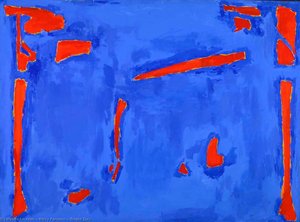
While celebrated as a gallerist, it’s crucial to remember that Betty Parsons was also a dedicated artist throughout her life. Her own work, encompassing painting, sculpture, and works on paper, reflected her evolving artistic sensibilities and her deep engagement with the world around her. She continued to create prolifically even while managing the demands of her gallery, often drawing inspiration from her travels and experiences. Her paintings, characterized by gestural brushstrokes and a vibrant use of color, capture a sense of spontaneity and
emotional intensity. Parsons’s influence extended beyond the artists she represented; she shaped the very discourse surrounding art in America. She challenged traditional notions of artistic success, prioritizing creative integrity over commercial gain. Her gallery became a hub for intellectual exchange, attracting critics, collectors, and fellow artists who shared her passion for innovation. Though she sometimes expressed resentment towards dealers who capitalized on the artists she had nurtured, Parsons’s legacy remains one of unwavering dedication to artistic freedom and a profound belief in the power of art to transform society. She passed away in 1982, leaving behind a rich artistic heritage that continues to inspire generations of artists and art lovers alike.



 Smithsonian American Art Museum
 The Phillips Collection
 Parrish Art Museum


