A Tapestry of Time: The Soul of Wigan
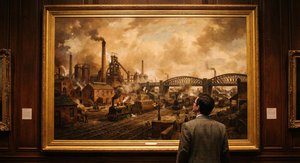
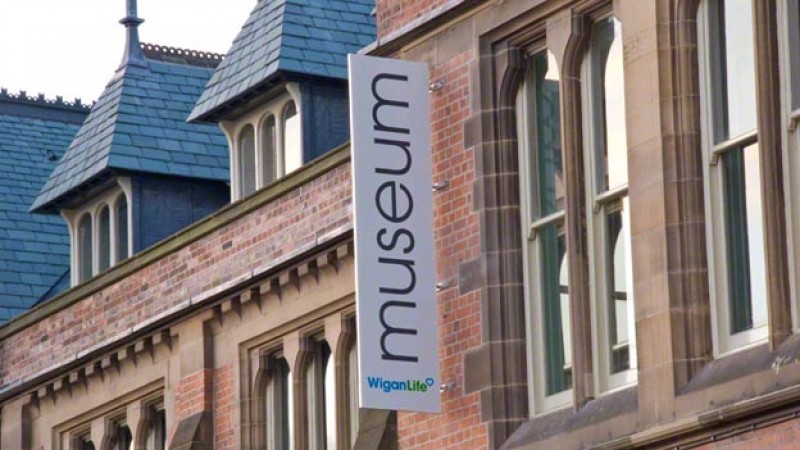
Nestled within the historic heart of its namesake town, the Wigan Museum of Wigan Life serves as a profound sanctuary for the collective memory of a community. It is not merely a repository of artifacts but a living, breathing narrative that weaves together the industrial grit and the pastoral grace of the United Kingdom’s North West. To step through its doors is to embark on a temporal journey, where the echoes of coal mines, textile mills, and the rhythmic pulse of local commerce resonate through every curated display. For the art lover and the historian alike, the museum offers a rare intimacy, presenting a collection that feels less like a formal exhibition and more like a rediscovered family heirloom, polished by time and shared heritage.
The architectural essence of the museum provides a dignified backdrop to its storied contents, grounding the visitor in the very fabric of Wigan’s evolution. As one wanders through the galleries, the interplay between the structural permanence of the building and the ephemeral nature of the objects on display creates a captivating tension. The collection highlights are a masterclass in local storytelling, ranging from the delicate intricacies of Victorian domestic life to the rugged, heavy implements of the industrial revolution. Each piece—be it a weathered tool from a bygone era or a finely crafted piece of local craftsmanship—is presented with an eye for the aesthetic beauty found in utility and the quiet dignity of labor.
Inspiration for the Modern Eye
For the interior designer and the collector of historical narratives, the museum offers unparalleled inspiration. The textures of the past provide a rich palette of motifs that speak to the timelessness of design. One can find profound aesthetic value in the following elements found within the collection:
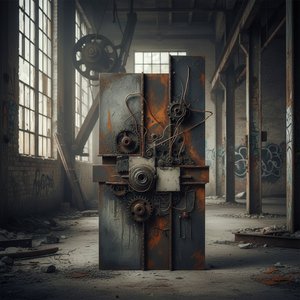
- The Patina of Industry: The rusted iron and weathered metals that evoke the strength of the coal mining era.
- Textile Heritage: The faded textiles and intricate weaves that reflect the town's history as a major mill center.
- Domestic Elegance: The fine craftsmanship of Victorian objects that offer a window into a more ornamental age.
- Organic Textures: The worn wood and earthen elements that bridge the gap between industrial progress and pastoral roots.
The museum’s ability to curate exhibitions that bridge the gap between historical significance and visual allure makes it a cornerstone for those seeking to understand the roots of regional identity. It is this unique ability to transform local history into a universal aesthetic experience that distinguishes the Wigan Arts And Heritage Service , making it an essential pilgrimage for anyone captivated by the enduring spirit of human endeavor and the artistry found in the everyday.