

Villa Reale di Monza: A Regal Journey Through History and Art
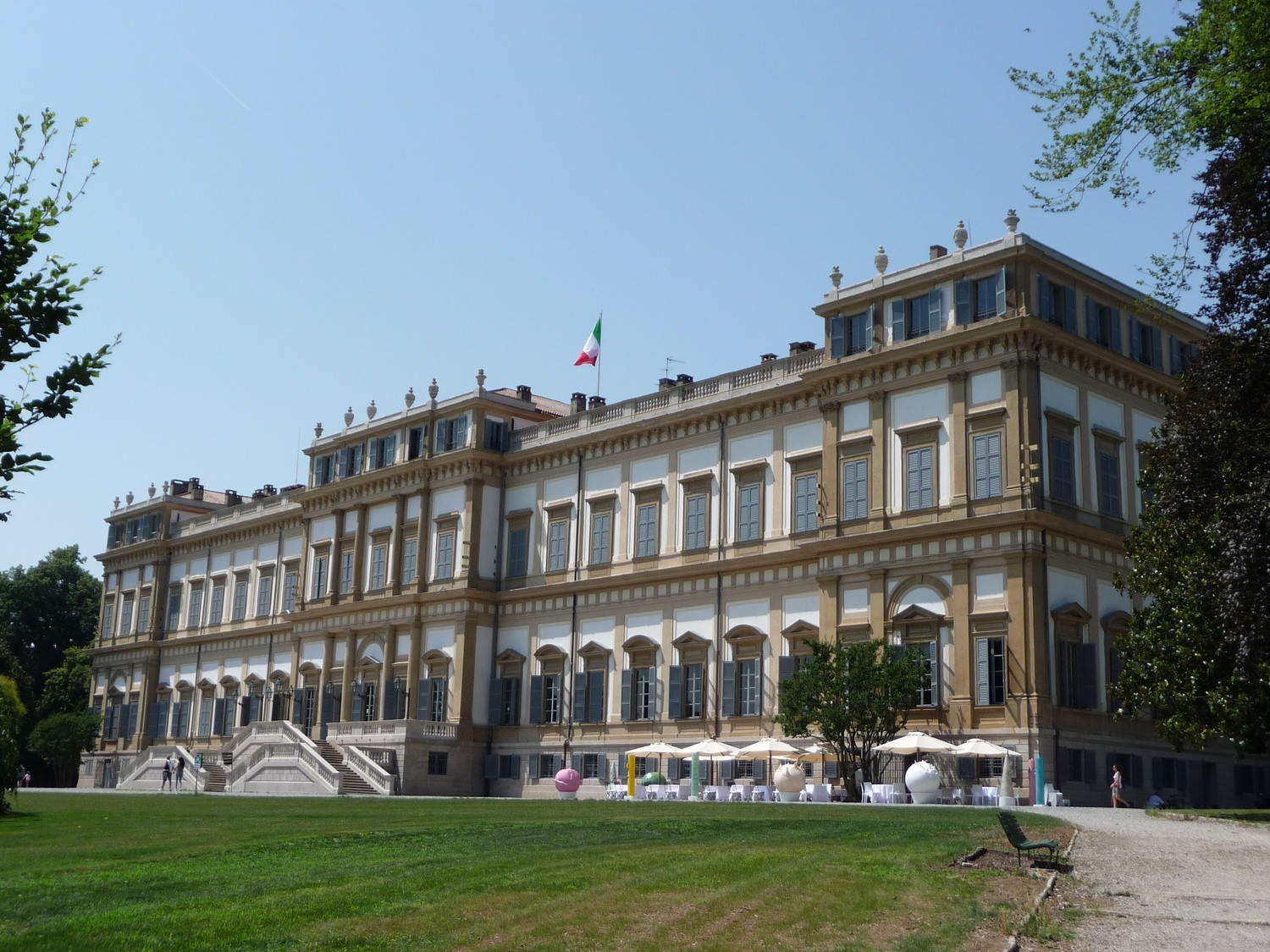
Villa Reale di Monza stands as an unparalleled testament to European artistic evolution, seamlessly blending Habsburg grandeur with Napoleonic influence and Italian royal patronage. More than just a palace; it’s a living chronicle of shifting political landscapes and stylistic innovations—a destination that captivates visitors seeking immersion in both history and breathtaking beauty. Located within Italy's largest enclosed park, Monza Park, this neoclassical masterpiece offers an experience unlike any other.Architectural Marvel: A Symphony of Neoclassical Elegance
Commissioned by Empress Maria Theresa of Austria in 1777 as a summer residence for Archduke Ferdinand, Villa Reale’s design embodies the ideals of Enlightenment aesthetics. Giuseppe Piermarini, renowned for his work on Schönbrunn Palace and Caserta Royal Palace, skillfully crafted an inverted U-shaped plan spanning over 22,000 square meters—a bold departure from traditional imperial palaces that prioritized east–west orientation. The villa’s façade is adorned with intricate sculptures and decorative elements reflecting the grandeur of its patrons and showcasing Piermarini's mastery of neoclassical architectural principles. Its sheer scale combined with the expansive Monza Park creates an unforgettable visual panorama.A Tapestry of Royal Histories: From Habsburg Legacy to Savoy Succession
The Villa Reale’s history is interwoven with successive reigns, each leaving indelible marks on its interiors and artistic collections. Initially serving as a Habsburg stronghold, it transitioned under Napoleon's rule during Eugène de Beauharnais’ viceroyalty, absorbing influences from French aristocratic taste. Following the unification of Italy in 1861, the Villa became the residence of the House of Savoy, continuing to host royal ceremonies and shaping its artistic identity. Tragically, King Umberto I perished in Monza in 1900, marking a poignant end to the monarchy’s presence at Villa Reale—a moment that profoundly impacted its subsequent narrative.Treasures Within Walls: Collection Highlights & Artistic Expressions
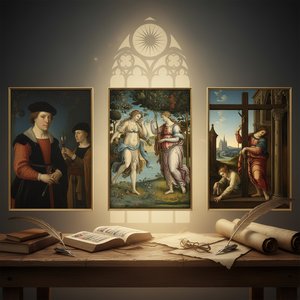
The villa's collection boasts exceptional pieces reflecting diverse artistic movements and periods. Notably, visitors can explore lavishly decorated rooms showcasing neoclassical art and furnishings – a celebration of symmetry, proportion, and refined ornamentation. Among the highlights are masterpieces by artists like Andrea Appiani, whose “Psyche Worshipped as the Personification of Beauty” exemplifies Baroque elegance and captures the spirit of Romantic idealism. Furthermore, admire Martin Knoller’s “Wooded Landscape with Stream and Ruins,” a serene depiction of Monza Park's natural beauty rendered in meticulous detail—a stunning example of Baroque landscape painting. Marino Marini’s sculptures – equestrian figures and portraits – represent an important contribution to Italian sculpture during the 20th century, blending Etruscan inspiration with modern artistic techniques.Beyond Art: Monza Park & Cultural Enrichment
Villa Reale di Monza isn't merely a repository of art; it’s inextricably linked to Monza Park—one of Europe’s largest enclosed parks—a verdant expanse offering visitors respite and contemplation amidst breathtaking scenery. Regularly hosting exhibitions and cultural events, the villa fosters artistic dialogue and promotes creative talent through its Artistic High School. This institution ensures that Villa Reale continues to inspire generations of artists, safeguarding Monza's heritage as a beacon of beauty and intellectual curiosity.- Explore the opulent interiors adorned with neoclassical art.
- Stroll through Monza Park’s expansive gardens.
- Discover exhibitions showcasing contemporary artistic perspectives.