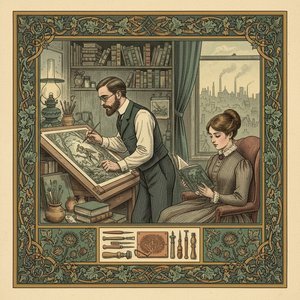
A Portal to the Victorian Soul
To step through the threshold of York Castle Museum is to perform a delicate act of temporal displacement. It is not merely a collection of artifacts housed within stone walls, but a meticulously orchestrated immersion into the heartbeat of nineteenth-century Yorkshire. Founded in 1938 by the visionary John L. Kirk, the museum was conceived as a living repository of social history, a place where the dust of the past is swept away to reveal the vibrant, often gritty, reality of Victorian life. Unlike the sterile, detached atmosphere of many contemporary galleries, this institution breathes with an atmospheric vitality, inviting visitors to wander through a reconstructed urban landscape that feels less like an exhibit and more like a rediscovered memory.
The architectural narrative of the museum is one of profound continuity and structural grandeur. Nestled within the formidable and ancient York Castle walls, the site itself serves as a monumental anchor to the city's storied past. The museum’s physical layout is a masterclass in historical preservation, seamlessly integrating original prison buildings—including the haunting galleries of the Debtor's and Female Prisons—with later expansions that allow for a fluid, narrative journey. This architectural marriage of incarceration and education creates a poignant tension, reminding us that history is composed as much of the shadows of justice as it is of the light of progress.
The Artistry of the Everyday
For the discerning collector or the lover of fine detail, the museum’s collection offers an exquisite study in the aesthetics of a bygone era. The treasures held within these walls transcend simple utility; they are windows into the domestic soul. One might find themselves captivated by the delicate translucency of Victorian china or the heavy, tactile presence of period textiles that speak to the craftsmanship of the age. These objects, when viewed through an art historian's lens, reveal the subtle interplay of pattern, texture, and social aspiration that defined the nineteenth-century home.
Beyond the domestic sphere, the museum celebrates the painterly sensibilities of its time. The inclusion of works such as “Boats at Ullapool” by David Reeve Fowkes provides a breathtaking glimpse into the romanticized landscapes that once stirred the Victorian imagination. These reproductions and original pieces serve as vital aesthetic links, connecting the industrial grit of Kirkgate Street to the ethereal beauty of the British countryside. For interior designers seeking inspiration, the museum offers an unparalleled palette of historical motifs and a deep understanding of how light, material, and ornament once converged to create spaces of profound character.
A Living Tapestry of Human Experience
What truly distinguishes York Castle Museum is its refusal to remain static. It is a site of constant dialogue, where notable exhibitions frequently breathe new life into the historical record. From explorations of radical social reform movements to the celebration of industrial innovation, the museum’s programming ensures that the past remains a relevant, provocative force in the present. The museum does not simply ask us to observe history; it demands that we inhabit it. Walking through the reconstructed Kirkgate Street, amidst the authentic shopfronts and the echoes of daily routines, one experiences a sensory richness that is rare in the modern museum landscape.
The experience is punctuated by moments of intense human connection, such as standing before the meticulously recreated cell of the notorious Dick Turpin. Here, the textures of original furnishings and the starkness of the enclosure force a confrontation with the realities of Victorian justice. This ability to evoke empathy and curiosity makes the museum a cornerstone of British cultural heritage. It is a place where the boundaries between the observer and the observed dissolve, leaving only a profound sense of wonder at the enduring complexity of the human story.