A Canvas of Rebellion: Immersing Yourself in Street Art NYC
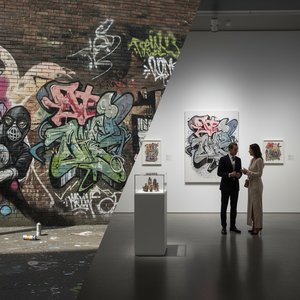
New York City—a crucible of culture, a symphony of concrete and steel—has long been an unparalleled open-air gallery, a testament to the enduring human need for expression. The Street Art NYC museum isn’t merely a display; it's a visceral embodiment of this vibrant history, inviting visitors into the very heart of an artistic revolution. Stepping through its doors is akin to entering a living, breathing mural, where the raw energy of urban art pulsates from every surface. More than just graffiti, the museum chronicles the evolution of street art—from its defiant origins as a voice for the marginalized to its current status as a globally respected and commercially viable form – a narrative etched in spray paint, wheatpaste, and stencil, a story of rebellion, innovation, and the undeniable power of public art.
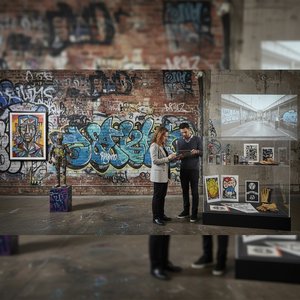
The museum’s journey begins with 5Pointz, a legendary warehouse complex in Long Island City that served as an incubator for countless artists. Before its heartbreaking demolition in 2014, 5Pointz was a chaotic, beautiful explosion of color and creativity – a place where boundaries were shattered and styles forged. The museum acts as a vital custodian of this legacy, not simply showcasing finished pieces but illuminating the *process* itself: the collaborative spirit, the audacious transformations of derelict spaces, and the sheer thrill of artists breathing life into forgotten walls. This connection to 5Pointz provides an essential context for understanding the broader evolution of street art – a journey from clandestine acts of artistic defiance to large-scale murals adorning buildings across continents. The collection thoughtfully juxtaposes early graffiti’s rebellious energy with the sophisticated techniques employed by contemporary muralists, demonstrating a remarkable trajectory of growth and influence.
An Architecture Reflecting its Subject
The museum's physical space is deliberately designed to amplify the art it houses – a conscious decision that transcends mere aesthetics. Housed within a meticulously repurposed industrial building, the architecture echoes the gritty authenticity of New York City’s streets. Forget pristine white walls and hushed reverence; here, exposed brick, raw concrete, and expansive open galleries create an environment that feels dynamic and alive. This deliberate design isn't simply decorative—it’s integral to the visitor experience. The spacious layout allows for the immersive impact of encountering large-scale murals, replicating the feeling of stumbling upon these works in their natural urban setting. Interactive exhibits invite visitors to delve into the techniques and tools used by street artists – from spray cans and stencils to projectors and scaffolding – fostering a deeper understanding of the creative process and the physical demands of this often unseen art form.
Voices in Color: Social Commentary Woven Within
Street art has always been more than just visual spectacle; it’s a potent form of social commentary, a voice for the voiceless, and a mirror reflecting the anxieties and aspirations of society. Street Art NYC doesn't shy away from this crucial dimension. The collection powerfully showcases art that provokes thought and sparks dialogue – murals addressing issues of inequality and injustice alongside works celebrating cultural identity and community resilience. Artists like Brian Jerkface, with his playful yet subversive reinterpretations of iconic comic book imagery, and the Committee to Defend the Panther 21, whose striking visuals documented the struggles of the Black Panther Party, are prominently featured. These pieces demonstrate how street art can transcend mere aesthetics, becoming a powerful tool for social change – a testament to its enduring relevance as a vital form of artistic expression.
Beyond the Walls: Workshops and a Living Legacy
What truly sets Street Art NYC apart is its commitment to being a living, breathing institution. It’s not merely a repository of past glories; it actively fosters the next generation of street artists and engages the public in meaningful ways. Regular workshops offer aspiring artists invaluable opportunities to learn from established professionals, while guided tours provide deeper insights into the history, symbolism, and cultural context of the art on display. The museum also serves as a dynamic platform for contemporary artists, showcasing new works and fostering conversations about the evolving landscape of urban art – a field constantly shaped by technology, social movements, and artistic innovation. In a world increasingly dominated by digital experiences, Street Art NYC offers something profoundly tangible—a connection to the raw energy and creative spirit that defines New York City’s streets, reminding us that art can still be found in unexpected places and wield powerful influence.
Notable Works & Connections
The museum's collection highlights a diverse range of styles and approaches within street art. You’ll find works reminiscent of the vibrant murals depicted in 9 Amazing Street Art Murals in New York - Google Arts & Culture , including Kobra’s striking depictions of Frida Kahlo and Diego Rivera. Furthermore, exploring photographic documentation like George Maciunas' Photographic Ballet, performed during Fully Guaranteed 12 Fluxus Concerts, Fluxhall, 359 Canal Street, New York, March May 1964 , offers a glimpse into the urban landscape of the era and the experimental art scene that influenced early street artists. The museum also features works by Everett Shinn, capturing the beauty of Winter on 21st Street, New York , alongside Joaquín Torres García’s vibrant depiction of New york street scene - (1921) . And don't miss the opportunity to explore the powerful art of Keith Baynes and Committee to Defend the Panther 21 – artists whose work continues to resonate with themes of social justice and urban identity.