
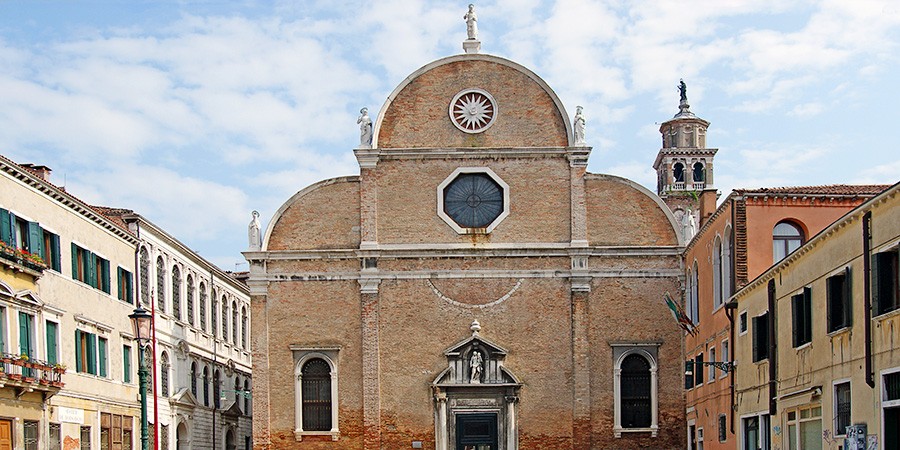
Obsah textu
Základní informace
- Works on APS: 1
- Alternate names:
- Santa Maria Gloriosa dei Frari
- Scuola Grande dei Carmini
- Featured artists: Lorenzo Lotto
- Location: Řím, Italie
Kvíz o umění
Pro každou otázku existuje pouze jedna správná odpověď.
Otázka 1:
Jaký architektonický styl převládá uvnitř Kostela Santa Maria dei Carmini?
Otázka 2:
Santa Maria dei Carmini obsahuje významnou sbírku výtvorů z období, které umělecká období?
Otázka 3:
Kdo je známý pro své dramatické výtvory náboženských a mytologických scén?
Otázka 4:
Co odlišuje Kostel Santa Maria dei Carmini od dalších venkovních muzeí ve Věněce?
Otázka 5:
Proč zůstává Kostel Santa Maria dei Carmini nezapomenutelným místem pro sběratele nebo návrháře interiérů?
Umělci v sbírce

Lorenzo Lotto
Lorenzo Lotto (1480-1556): Venuťte do světa renesanční Venice s tímto jedinečným malířem, známým pro emotivní portréty a mystické náboženské obrazy. Objevte jeho fascinující dědictví!

Související články
Harmonie Historie a Barvy: Průvodce Sladěním Uměleckých Stylů s Interiérovou Architekturou pro Vyváženou Dekoraci
Objevte harmonii historie a barvy ve svém domově! Průvodce sladěním uměleckých stylů s interiérovou architekturou. Rady od expertů, inspirace a praktické tipy pro vyváženou dekoraci.
The Eloquent Body: A Historical Survey of Figure Painting & Representation
Explore the rich history of figure painting from antiquity to the Renaissance! Discover iconic artworks, masterful techniques & enduring symbolism. Find museum-quality reproductions at OriginalUniqueArt.

Michelangelo Morlaiter: Venetian Landscapes & the Pursuit of Atmospheric Realism
Explore the captivating landscapes of Michelangelo Morlaiter, a key figure in 18th-century Venetian painting. Discover his mastery of atmospheric perspective and lasting influence on Italian art history. Learn more at OriginalUniqueArt.


Odebírejte náš newsletter
Buďte na tahu s nejnovějšími novinkami ze světa umění, exkluzivními nabídkami a inspirativními nápady na dekoraci.
Získejte 3 bezplatné návrhy uměleckých děl
Sdělte nám více o svém projektu a naši odborníci na umění vám připraví 3 personalizované návrhy uměleckých děl.
Not Sure Where to Start?
Let Us Curate 3 Options Just for You - Free!