

A Neoclassical Gateway to Sitges’s Golden Age
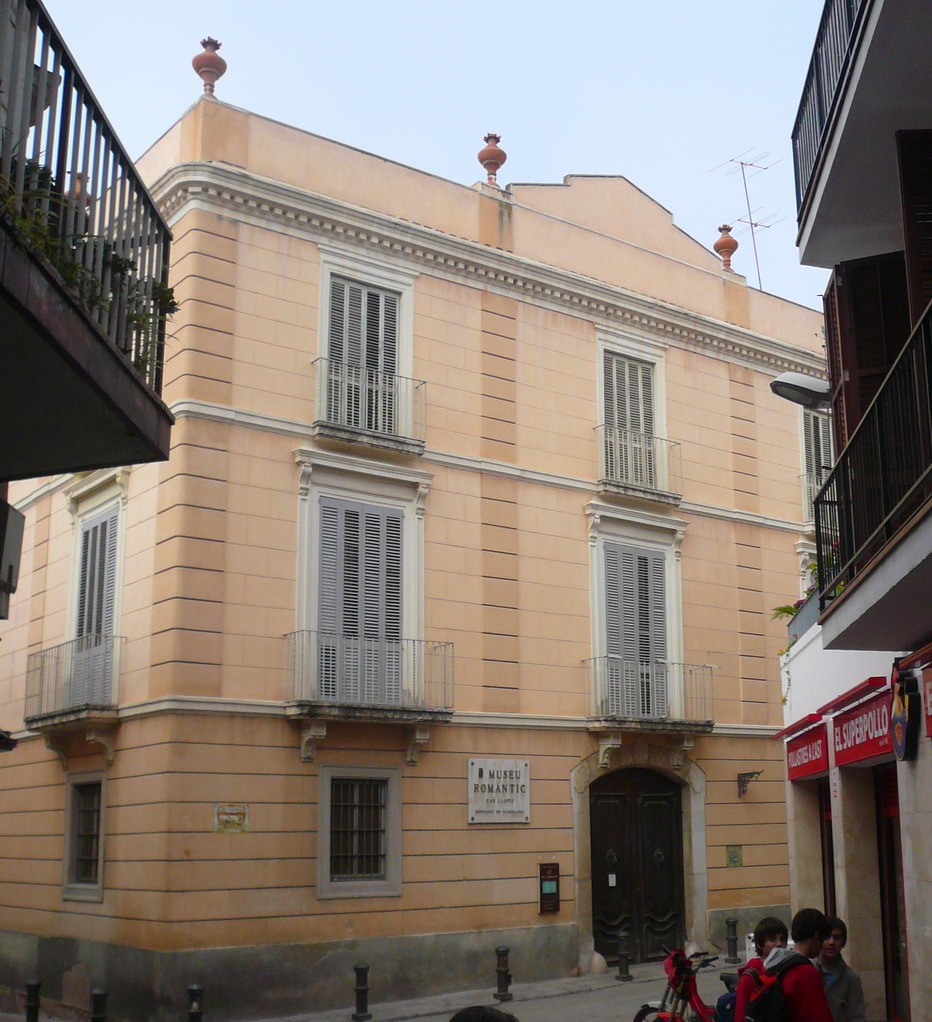
Nestled within the sun-drenched heart of Sitges, Spain, the Romantic Museum Can Llopis serves as a profound portal into the nineteenth century, offering much more than a mere collection of artifacts. It is an immersive journey through a time of burgeoning bourgeois life and artistic awakening. Housed within a beautifully preserved Neoclassical edifice dating back to 1793, the museum captures the very essence of an era defined by elegance and social transformation. The architecture itself, with its stately columns, meticulously crafted ashlars, and refined painted walls, stands as a silent testament to the prosperity of the Llopis family. As one wanders through the estate, the stones seem to whisper tales of trade, landownership, and the deep intellectual currents that shaped this coastal gem during its golden age.
The history of Can Llopis is inextricably linked to the ascent of the Llopis lineage, a family of seafaring origin who climbed the social ladder through commerce and influence. Originally built for Josep Bonaventura Falç i Roger, the house eventually became the seat of the Llopis family, particularly under the influence of Bernardí Llopis i Pujol. His stewardship transformed the residence into a vibrant hub of social and political activity, mirroring the growth of Sitges itself as a thriving port. For the modern collector or lover of history, the museum offers a rare glimpse into this period of transition, where the architectural grandeur of the Neoclassical style met the burgeoning romanticism of a new century.
The Art of Domesticity and the Spirit of the Coast
Stepping inside the museum is akin to entering a meticulously preserved stage set, where every object has been arranged to recreate the intimate atmosphere of a well-to-do nineteenth-century home. The collection focuses on the nuances of domestic life, presenting original furniture, decorative objects, and personal belongings as they would have been encountered in daily use. This curated sense of domesticity provides an unparalleled experience for interior designers and historians alike, offering a window into the aesthetic sensibilities of the Romantic period. <
Adding profound artistic depth to this tactile environment are the paintings of Pau Rigalt. His works serve as more than mere decoration; they are visual narratives that breathe life into the museum's halls. Rigalt’s canvases, which capture the spirit and themes prevalent during his era, often depict the breathtaking Sitges coastline, creating a beautiful dialogue between the opulent, sheltered interiors of the Llopis mansion and the wild, vibrant beauty of the Mediterranean landscape. This interplay between the refined indoor space and the evocative outdoor scenery embodies the very heart of the Romantic movement—a profound connection to nature intertwined with human experience.
Miniature Chronicles: The Legacy of Lola Anglada
Perhaps the most enchanting and unique dimension of the museum is found in its extraordinary collection of dolls and toys, a generous gift from the renowned writer and illustrator Lola Anglada. This assemblage, comprising over 400 pieces spanning from the 17th to the 19th centuries, transcends the realm of simple playthings. These miniature figures serve as poignant reflections of societal shifts, capturing the evolution of fashion, customs, and the changing roles of individuals within Spanish and European society.
To view these pieces is to witness a silent history of childhood and class. Each doll holds a story, offering a delicate look at the sartorial elegance of the Victorian era alongside the quaint charms of aristocratic life. This collection provides a sense of scale and sentimentality that complements the larger-than-life architectural grandeur of the museum, making Can Llopis a truly singular destination. It is a place where the grand narratives of history meet the intimate, whispered stories of the past, inviting every visitor to contemplate the enduring beauty of a bygone era.