Menu
BEZPLATNÉ UMĚLECKÉ PORADENSTVÍ

Nhs Greater Glasgow And Clyde

Základní informace

  • Historical periods: 19th century
  • Location: Glasgow, United Kingdom
  • Art types: wallart
  • Works on APS: 15
  • Více informací…
  • Featured artists:
    • Henry Raeburn
    • lesley burr
    • donald urquhart
    • gwen hardie
    • kenneth dingwall
  • Mediums: oil on canvas
  • Movements:
    • contemporary realism
    • other

Kvíz o umění

Pro každou otázku existuje pouze jedna správná odpověď.

Otázka 1:
What is the primary focus of NHS Greater Glasgow and Clyde Museum?
Otázka 2:
Who is considered a pivotal figure in the museum's narrative due to his groundbreaking work on antiseptic surgery?
Otázka 3:
The museum discusses ‘The Glasgow Effect,’ which refers to:
Otázka 4:
What type of art is prominently displayed at NHS Greater Glasgow and Clyde Museum to contribute to a calming environment?
Otázka 5:
The historic Glasgow Royal Infirmary building exemplifies:

A Sanctuary of Healing & History: The NHS Greater Glasgow And Clyde Museum

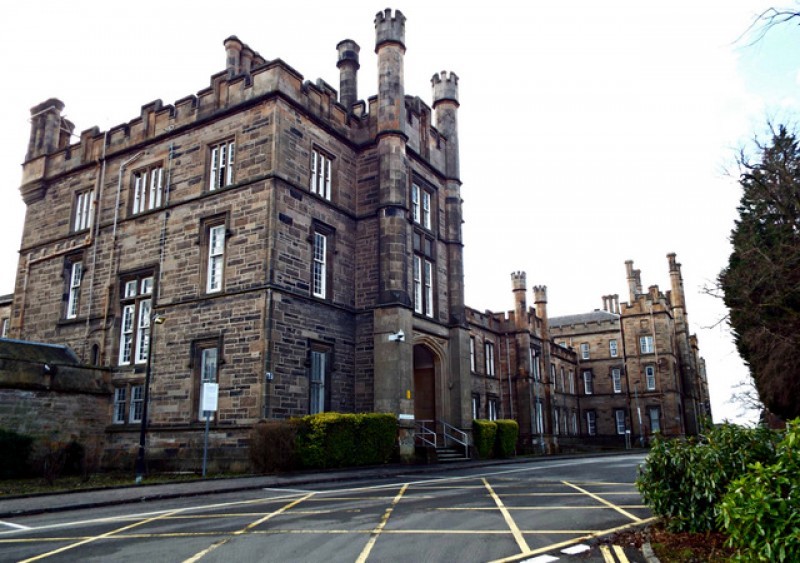
Nestled within the venerable walls of Glasgow Royal Infirmary, the NHS Greater Glasgow and Clyde museum offers a profoundly moving journey through Scotland’s oldest hospital and the evolution of medical practice itself. More than simply a repository of artifacts, it is a testament to human resilience, ingenuity, and compassion in the face of illness – a place where scientific advancement intertwines with the very essence of care. The museum doesn't merely *present* history; it invites visitors to inhabit it, to walk alongside the pioneers who reshaped our understanding of health and healing. Its careful curation seeks not just to document events but to foster contemplation about the enduring power of art to inspire wellbeing within healthcare environments.

Pioneering Spirits & The Glasgow Effect

The story unfolds chronologically, yet thematically, beginning with the founding of the Royal Infirmary in 1794. Early exhibits illuminate the rudimentary tools and techniques employed by surgeons before the widespread adoption of anesthesia or antiseptic practices – a stark reminder of how far medicine has progressed. Here, the legacy of Joseph Lister truly comes alive. The museum meticulously details his groundbreaking work on antiseptic surgery – a revolution born from meticulous observation and unwavering dedication to minimizing post-operative infections. Visitors can trace the development of aseptic techniques through detailed diagrams and reconstructed surgical instruments, illustrating the transformative impact of Lister’s insistence on cleanliness and sterilization. However, the narrative doesn't shy away from complexity; it confronts the persistent health disparities experienced within Glasgow itself – a phenomenon known as “The Glasgow Effect.” This section delves into socio-economic factors contributing to these challenges, prompting reflection on how societal conditions influence access to healthcare and shaping ongoing efforts toward equitable care provision.

Illuminating Innovation: From X-Rays to Art

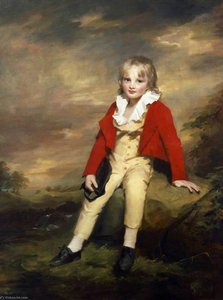
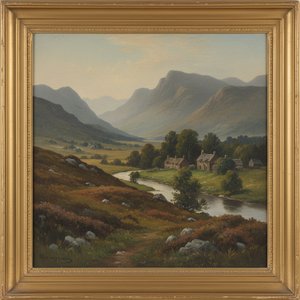
The museum’s collection boasts remarkable treasures that speak to the intersection of science and artistic expression. Among the most captivating are some of the earliest surviving X-ray images – ghostly glimpses into the human body captured by Henri Becquerel's serendipitous discovery, revealing a new dimension in diagnostic imaging. These aren’t merely scientific documents; they possess an ethereal beauty, hinting at the hidden worlds unveiled by this revolutionary technology and embodying the spirit of scientific inquiry. Alongside these technological marvels lie historical medical artifacts: surgical instruments reflecting evolving practices throughout the Victorian era, antique pharmaceutical bottles whispering tales of forgotten remedies—each item meticulously preserved to convey its significance within the context of medical history. Notably, the museum champions art’s role in fostering healing environments. Works by Scottish artists like Donald Urquhart – particularly “Summer Birch,” a serene landscape capturing the tranquility of nature – and Henry Raeburn – famed for his portraits imbued with dignity and compassion—are thoughtfully displayed, demonstrating how aesthetic beauty can contribute to a sense of calm, hope, and well-being within healthcare settings.

Architectural Echoes & A Living Legacy

The museum itself is an exhibit in its own right. Housed within the historic Glasgow Royal Infirmary building – a masterpiece of Victorian Gothic Revival architecture designed by William Burn – visitors are immersed in an architectural narrative spanning centuries. Constructed in 1897, the building’s soaring ceilings and stained-glass windows evoke a sense of grandeur and reverence, reflecting the hospital's commitment to providing exceptional care. The careful consideration given to natural light and ventilation underscores the importance of environmental factors in promoting patient comfort and healing—a principle that aligns seamlessly with the museum’s artistic program. Today, the NHS Greater Glasgow And Clyde museum stands not as a relic of the past but as a vibrant testament to an ongoing legacy – a place where the lessons of history inform the innovations of tomorrow, and where art, science, and compassion converge to shape the future of medicine.

Notable Exhibitions & Ongoing Dialogue

Recent exhibitions have explored themes ranging from the impact of infection control on artistic creativity to the role of visual arts in patient education and rehabilitation. These initiatives underscore the museum’s dedication to fostering dialogue between disciplines—demonstrating how art can enrich our understanding of medical science and vice versa. Furthermore, ongoing collaborations with local schools and community organizations ensure that the museum's stories resonate across generations, inspiring curiosity about healthcare history and promoting appreciation for the transformative power of artistic expression.

Kolekce uměleckých děl

Nebyly nalezeny žádná umělecká díla.