

A Living Tapestry of India’s Artisanal Soul
In the bustling heart of New Delhi, where the modern metropolis meets the echoes of antiquity, lies a sanctuary dedicated to the enduring spirit of Indian craftsmanship: the National Handicrafts and Handlooms Museum. Established in 1956 through the visionary efforts of Kamala Devi Chattopadhyay, this institution serves as much more than a mere repository for artifacts; it is a breathing, living testament to centuries of tradition. To step onto its grounds is to embark on a sensory journey through the diverse landscapes of India, where every thread, every carved surface, and every pigment tells a story of cultural identity and ancestral pride. The museum functions as an ethnographic stage, preserving the delicate balance between ancient techniques and the contemporary world.
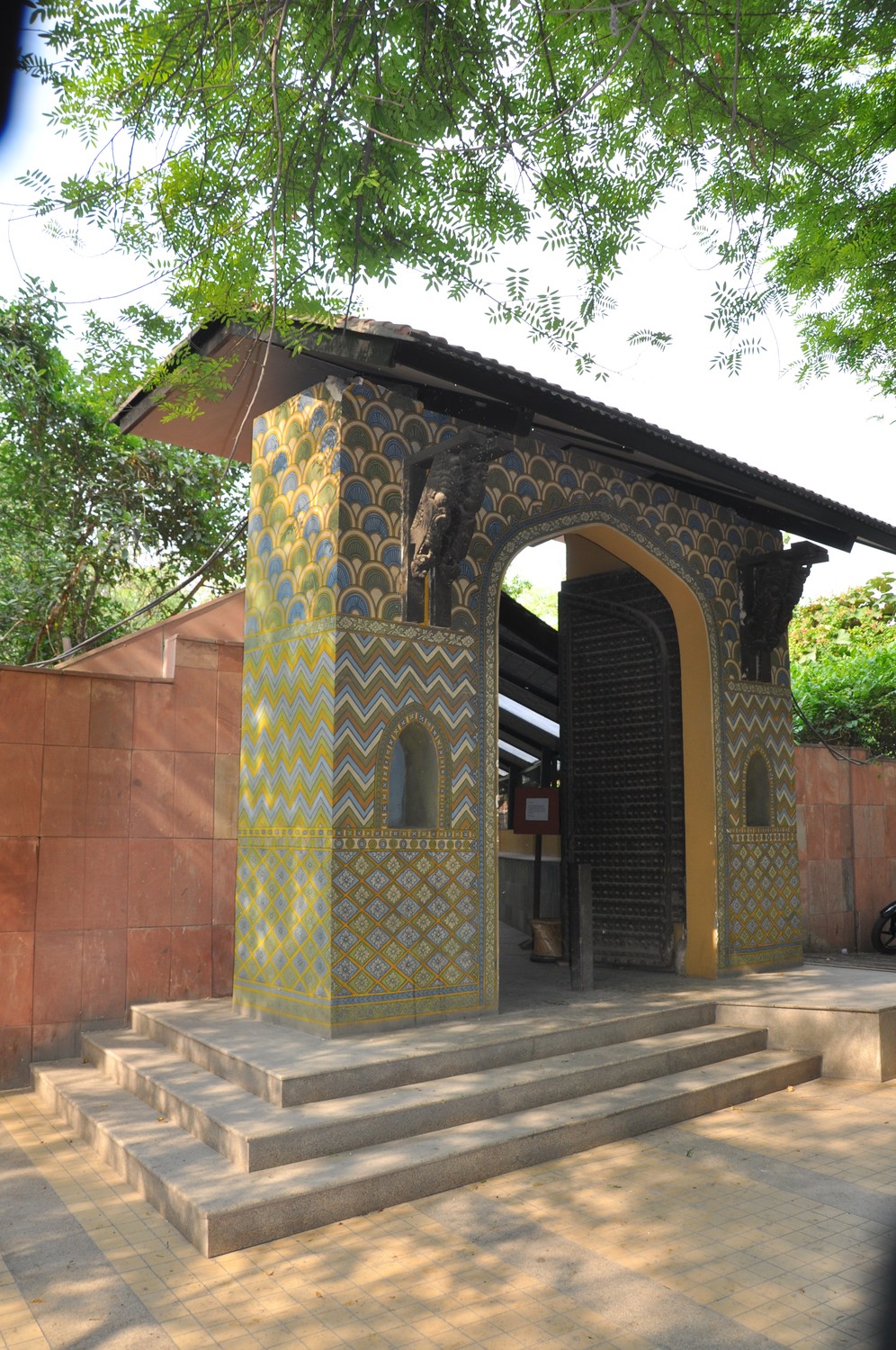
The architectural experience of the museum is itself a masterpiece of thoughtful design. Spanning five acres, the campus was conceived by the legendary architect Charles Correa between 1975 and 1990. Eschewing the cold sterility often found in modern galleries, Correa utilized a vernacular architectural vocabulary to create an immersive environment. The layout seamlessly integrates traditional dwellings, open courtyards, and shrines, effectively transporting the visitor from the urban sprawl of Delhi into a reconstructed landscape of rural India. This deliberate design choice ensures that the architecture does not merely house the collection but actively participates in its storytelling, fostering a profound connection between the observer and the organic origins of the crafts on display.
Treasures of Thread and Earth
The museum’s collection is an exhaustive and breathtaking assemblage of India's material heritage, curated to ignite the imagination of art lovers and collectors alike. For those with an eye for textile excellence, the galleries offer a profound exploration of weaving and embroidery. One might find themselves mesmerized by the opulent Kashmiri shawls, woven with such meticulous detail they seem to capture the very mist of the Himalayas, or the vibrant Baluchari saris, where intricate floral motifs dance across silk. The collection further celebrates regional mastery through Kutch embroidery and rare brocade fabrics, each piece serving as a luxurious window into the social and aesthetic values of their respective eras.
Beyond the soft elegance of textiles, the museum celebrates the rugged beauty of India’s tribal and rural traditions. The galleries are populated with ceremonial masks that embody deep spiritual beliefs, alongside everyday objects crafted from clay, stone, and wood that reflect the rhythmic pulse of village life. Notable highlights include the 250-to-300-year-old Bhoota Collection from Karnataka, which offers a hauntingly beautiful glimpse into ritualistic art, and the historic Kashmiri dushalas that speak to an era of unparalleled grandeur. For the interior designer or connoisseur, these pieces represent more than historical relics; they are foundational elements of a global aesthetic language, embodying a timelessness that transcends mere decoration.
A Legacy of Preservation and Resilience
What truly distinguishes the National Handicrafts and Handlooms Museum is its commitment to the living breath of art through artisan demonstrations. It is not enough for the museum to simply display the finished product; it seeks to honor the process. Visitors are often treated to the captivating spectacle of skilled craftsmen practicing their ancestral trades, reviving techniques that might otherwise be lost to the tides of industrialization. Witnessing the rhythmic motion of a potter’s wheel or the steady precision of a weaver provides an invaluable insight into the creative struggle and triumph inherent in every handmade object.
However, the museum's history is also one of profound reflection and resilience. The institution has faced poignant challenges, most notably during the 2015 renovations intended to establish a handicrafts academy, which tragically resulted in the loss of historic murals painted by the celebrated Madhubani artist Ganga Devi. This event sparked vital national dialogues regarding the ethics of conservation and the delicate responsibility of maintaining living heritage. Today, the museum stands as a beacon of cultural understanding—a crucible of knowledge where the past is not just remembered but actively protected, ensuring that the soul of Indian craftsmanship continues to inspire generations of creators and dreamers.