
A Window into Europe’s Soul
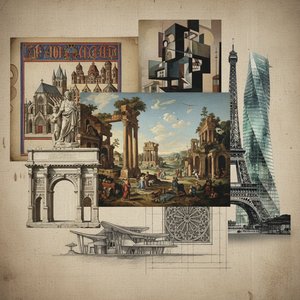
The Museum Europäischer Kulturen (MEK), nestled within the Dahlem Museums complex in Berlin's Steglitz-Zehlendorf district, isn’t merely a repository of artifacts; it’s an invitation to step back in time and experience the vibrant tapestry of European life from the 18th century to the present day. Founded as a merger of the Ethnological Museum and the Museum for Folklore in 1999, MEK distinguishes itself by prioritizing *lived experience* over grand narratives—a refreshing perspective that resonates deeply with anyone interested in understanding cultural heritage beyond royal courts and battlefield victories.- Collection Highlights: Forget opulent palaces and heroic tales; here, you’ll discover the tangible details of daily existence – from intricately crafted textiles to humble domestic tools. The museum's impressive collection showcases European traditions, folklore, costumes, and handicrafts, offering invaluable insights into regional identities and cultural practices.
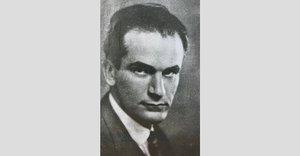
- Architectural Marvel: Designed by Bruno Paul, MEK’s building embodies New Objectivity architecture—a bold departure from traditional styles—reflecting the intellectual ferment of its time. Its serene Dahlem location contributes to a contemplative atmosphere ideal for appreciating art and culture.
- Historical Roots: The museum's origins lie in early ethnographic endeavors, evolving through successive institutions dedicated to documenting cultural diversity. This lineage underscores MEK’s commitment to preserving traditions and fostering intercultural dialogue.
What Sets MEK Apart?
Unlike museums focused on monumental achievements, MEK champions a humanist approach—celebrating the ordinary lives of Europeans who shaped their world. It’s a space where visitors can connect with art on an emotional level, fostering appreciation for cultural nuances and recognizing the importance of preserving traditions for future generations. With approximately 24,000 original objects, MEK offers a truly immersive encounter with European heritage.Visiting MEK:
Located at Arnimallee 25, Steglitz-Zehlendorf, Berlin, MEK is easily accessible via U-Bahn (Dahlem-Dorf) and bus routes. Admission prices are €10 for adults and €5 for reduced rates—children and young people under 18 enter free of charge. Don’t miss the opportunity to explore Domäne Dahlem – a historic manor house and botanical garden adjacent to the museum, enriching your cultural journey.