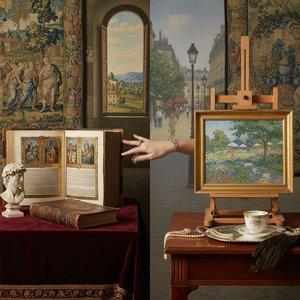
Musei di Villa Torlonia: A Journey Through Art, History, and Whimsy
Villa Torlonia stands as a singular testament to Rome’s aristocratic past—a sprawling complex that defies simple categorization. More than just a collection of buildings and gardens, it embodies an audacious blend of artistic styles and historical narratives, offering visitors an unparalleled glimpse into the tastes and ambitions of one of Italy's wealthiest families. Established in the 16th century as an agricultural estate, Villa Torlonia underwent dramatic transformations during the Victorian era under Giovanni Torlonia’s vision—a deliberate effort to elevate his status and rival the grandeur of other noble residences. However, it was Alessandro Torlonia’s patronage that truly cemented Villa Torlonia's legacy, commissioning Giuseppe Valadier to reshape the estate into a Romantic masterpiece and subsequently embarking on an ambitious project to create a symbol of familial pride.
-
Casino Nobile:
The Soul of Neoclassical Elegance
-
Casina delle Civette:
An Architectural Marvel Embracing Art Nouveau Fantasy
-
The Gardens:
A Tranquil Oasis Reflecting Romantic Ideals
-
A Pivotal Residence:
Mussolini’s Influence and the Villa's Historical Significance
-
What Sets Villa Torlonia Apart:
An Eclectic Legacy Shaping Contemporary Art Discourse
Casino Nobile: The Soul of Neoclassical Elegance
At the heart of Villa Torlonia’s artistic treasures lies the Casino Nobile, a magnificent edifice designed in the neoclassical style by Giuseppe Valadier and Giovan Battista Caretti. Completed between 1802 and 1806, it represents an exemplary embodiment of Roman neoclassicism—characterized by symmetrical proportions, monumental facades adorned with sculptures, and interiors bathed in diffused light. The Casino’s walls are embellished with frescoes depicting mythological scenes and allegorical figures, reflecting the Torlonia family's fascination with classical art and culture. Notably, the Casino houses a remarkable collection of paintings spanning from the 18th to the early 20th centuries, showcasing artists such as Francesco Hayez, Giovanni Battista Piranesi, and Antonio Canova—whose sculptures grace the Casino’s halls. The opulent furnishings—including gilded mirrors, velvet draperies, and antique porcelain—further underscore the grandeur of this aristocratic dwelling.
Casina delle Civette: An Architectural Marvel Embracing Art Nouveau Fantasy
A stark contrast to the stately Casino Nobile is the Casina delle Civette (House of Owls), conceived by Giuseppe Jappelli in 1839 as a whimsical homage to Swiss chalet architecture. This diminutive villa stands apart from its surroundings—a testament to the inventive spirit of Art Nouveau design. Its façade is covered in intricately carved owl motifs—a deliberate reference to Valadier’s emblem—creating an illusion of organic growth and blending seamlessly with the surrounding gardens. The interior spaces are adorned with stained glass windows depicting owls and foliage, contributing to a captivating atmosphere of ethereal beauty. Furthermore, the Casina delle Civette houses a collection of decorative arts—including furniture crafted from exotic woods and embellished with enamel paintings—reflecting the artistic trends prevalent during the Belle Époque.
The Gardens: A Tranquil Oasis Reflecting Romantic Ideals
Villa Torlonia’s expansive gardens offer visitors a serene escape from the bustling city of Rome—a meticulously landscaped expanse embodying the principles of Romantic gardening. Designed primarily by Alessandro Torlonia, these gardens feature symmetrical avenues lined with cypress trees and ornamental shrubs, culminating in grand vistas overlooking the Villa’s central courtyard. Water features—including fountains and ponds—are strategically positioned to create a harmonious interplay between sound and visual spectacle. Diverse plant species—ranging from roses and lilies to palms and ferns—populate the gardens, reflecting Alessandro Torlonia's desire to evoke the grandeur of Alpine landscapes and celebrate the beauty of nature.
A Pivotal Residence: Mussolini’s Influence and the Villa’s Historical Significance
Villa Torlonia holds a particularly poignant place in Italian history—serving as Benito Mussolini’s official residence from 1925 to 1943. During this period, Mussolini oversaw ambitious architectural projects aimed at enhancing the Villa's prestige and consolidating his power—including the construction of underground bunkers and shelters designed to withstand aerial bombardment. The Villa became a symbol of Fascist grandeur—hosting lavish parties and cultural events that showcased Mussolini’s vision for Italy’s future. Today, visitors can explore these spaces—a tangible reminder of Italy’s turbulent past and its complex relationship with totalitarian ideology.
What Sets Villa Torlonia Apart: An Eclectic Legacy Shaping Contemporary Art Discourse
Villa Torlonia's enduring fascination stems from its remarkable ability to encapsulate multiple artistic movements and historical epochs—a testament to the visionary patronage of successive generations of Torlonia aristocrats. Its eclectic collection—spanning neoclassical sculpture, Romantic landscape painting, Art Nouveau decorative arts, and Fascist architecture—continues to inspire scholars and artists alike. Moreover, Villa Torlonia’s gardens—representing a pioneering example of English landscape design in Rome—have exerted considerable influence on subsequent horticultural practices. As a result, Villa Torlonia remains an invaluable resource for understanding the evolution of taste and aesthetics throughout the 19th and 20th centuries—a living monument to Italy's artistic heritage.