A Sanctuary of Light: Exploring the Musée des Impressionnismes Giverny
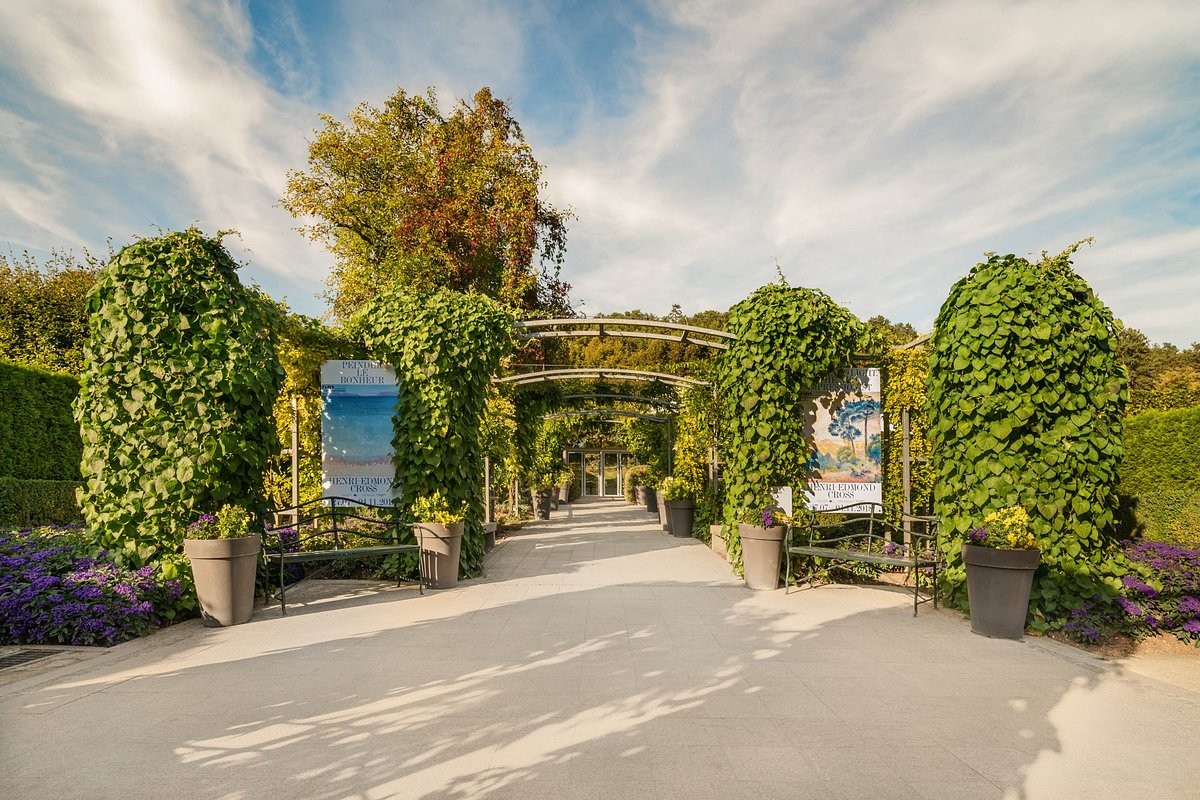
Nestled within the tranquil Normandy village that held a profound allure for Claude Monet over four decades, the Musée des impressionnismes Giverny stands as a vibrant testament to a pivotal moment in art history. It’s far more than just a repository of masterpieces; it's an immersive experience—a place where the very essence of Impressionism breathes, both within its walls and reflected in the surrounding landscape. The museum isn’t merely *located* in Giverny; it is inextricably *woven into* the fabric of the village itself, mirroring Monet’s core principles: a fascination with fleeting light, an intimate connection between art and nature, and a courageous departure from the rigid traditions of academic painting. Established in 2009, succeeding the earlier Musée d’Art Américain, this institution rapidly cemented its position as a crucial center for understanding not only the genesis of Impressionism but also its enduring legacy and its profound influence on subsequent artistic movements. Its convenient accessibility—a mere hour's journey from both Paris and Rouen—makes it an indispensable destination for anyone seeking to delve into this transformative era of art.
The story of Giverny is inextricably linked with the birth of modern painting, a narrative that extends far beyond Monet’s celebrated gardens. While his presence undeniably dominates the museum’s curatorial vision – through insightful exhibitions that contextualize his work within the broader Impressionist movement and meticulously examine how he captured the ephemeral qualities of light in landscapes – the Musée skillfully broadens its scope. It proudly showcases an impressive collection of works by Monet's contemporaries—Sisley, Renoir, Pissarro, Degas—illuminating the diverse approaches that characterized this groundbreaking style. However, the museum doesn’t stop there; it recognizes the far-reaching impact of Impressionism, presenting exhibitions dedicated to its influence on sculpture, decorative arts, and even modern design trends. A significant element of the museum's narrative centers around the influx of American artists to Giverny in the late 19th and early 20th centuries, drawn by the village’s charm and Monet’s inspiring presence. Works by painters such as Frederick Carl Frieseke and Richard E. Miller are frequently featured, highlighting this transatlantic exchange that enriched the region's artistic landscape and contributed to the development of “Decorative Impressionism”—a style distinguished by its vibrant colors and elegant compositions.
The Musée itself is a deliberate embodiment of the spirit it houses. The architecture was designed with an acute awareness of its surroundings, prioritizing natural light and expansive open spaces—creating a serene atmosphere that elevates the viewing experience. Large windows strategically frame breathtaking views of the gardens, subtly blurring the boundaries between the interior and exterior worlds – a conscious echo of Monet’s own artistic practice. This harmonious blend of art and architecture results in an environment of unparalleled tranquility, inviting visitors to slow down, observe attentively, and truly connect with the artworks on display. The building's design isn’t simply functional; it is a carefully considered aesthetic statement, reflecting the Impressionists’ unwavering commitment to capturing the beauty inherent in the natural world.
-
Key Highlights of the Collection:
Monet’s iconic water lily series, works by Sisley depicting the landscapes around Giverny, and paintings by Renoir and Degas offering glimpses into Parisian life during the Impressionist era.
-
Temporary Exhibitions:
The museum regularly hosts engaging temporary exhibitions that explore various facets of Impressionism, including its influence on other artistic movements and the lives of the artists themselves.
-
The American Influence:
Dedicated sections showcase the works of American painters who found inspiration in Giverny’s beauty and Monet's legacy.
Beyond its permanent collection and thoughtfully curated temporary exhibitions, the Musée des impressionnismes Giverny functions as a dynamic cultural hub. Throughout the year, the museum hosts stimulating lectures delivered by leading art historians, hands-on workshops designed for aspiring artists of all ages, and a diverse range of cultural programs aimed at engaging visitors from every background. Recognizing the importance of accessibility, the museum offers convenient online ticket purchasing and strives to create an inclusive environment for all. A visit here is not merely about passively observing art; it’s about immersing oneself in a world where light, color, and emotion converge—leaving a lasting impression on the soul. The proximity to Monet's house and gardens – a pilgrimage site for art lovers worldwide – further enriches the experience, allowing visitors to trace the origins of Impressionism from the canvas to the very landscapes that inspired it.
A Journey Through Time: The History of Giverny and the Museum
The Musée des impressionnismes Giverny’s roots lie in the earlier Musée d’Art Américain, established in 1992 by the Terra Foundation for American Art. This institution served as a vital bridge between American and European art, fostering cultural exchange and showcasing the works of prominent American artists. In 2009, recognizing the growing importance of Impressionism within the museum's collection, the Musée d’Art Américain was transformed into the Musée des impressionnismes Giverny, solidifying its focus on this revolutionary artistic movement. This transition marked a significant shift in the museum’s identity and programming, reflecting a deeper commitment to exploring the origins, evolution, and lasting impact of Impressionism. The decision to relocate the museum within the existing building—a former American consulate – was driven by a desire to preserve the historical context of the site while creating a space that seamlessly integrated with its surroundings.
The village of Giverny itself holds immense significance in the history of art. Claude Monet, one of the most celebrated figures in Impressionist painting, settled in Giverny in 1883 and spent the remainder of his life there, transforming the village into his personal sanctuary and artistic laboratory. His home and gardens—a meticulously designed landscape featuring water lilies, Japanese bridges, and vibrant flowerbeds—became a source of endless inspiration for Monet and countless other artists who flocked to Giverny seeking to capture its beauty on canvas. The museum’s location within this historic setting provides visitors with the unique opportunity to trace the evolution of Impressionism from its inception in Paris to its flourishing expression in Giverny, creating a tangible connection between the art and its environment.
-
The Transition:
From Musée d'Art Américain to Musée des impressionnismes Giverny – a strategic shift reflecting a deeper commitment to Impressionism.
-
Monet’s Legacy:
The village of Giverny, transformed by Monet into an artistic haven, plays a central role in the museum’s narrative and curatorial vision.
Architecture and Atmosphere: A Reflection of Impressionist Principles
The architecture of the Musée des impressionnismes Giverny is a deliberate reflection of the principles that define Impressionism itself. Rather than imposing grandeur or ostentation, the building embraces an understated elegance—a design philosophy rooted in harmony with its natural surroundings. The architects prioritized the maximization of natural light throughout the space, utilizing expansive windows to frame picturesque views of the gardens and create a sense of openness and fluidity. This careful attention to light is particularly significant, as it mirrors Monet’s own artistic practice – his relentless pursuit of capturing the fleeting effects of light on color and form.
The interior spaces are designed to be serene and contemplative, fostering a connection between visitors and the artworks on display. The use of natural materials—wood, stone, and glass—contributes to a sense of warmth and intimacy, while the absence of rigid lines and sharp angles creates an atmosphere of relaxed observation. The museum’s layout encourages a meandering path through the collection, inviting visitors to linger and explore at their own pace. This deliberate design choice reflects the Impressionists' rejection of academic formality and their embrace of spontaneity and freedom in both subject matter and technique.
-
Natural Light:
The building’s architecture is designed to maximize natural light, mirroring Monet’s artistic approach.
-
Open Spaces:
Expansive windows frame picturesque views of the gardens, blurring the boundaries between indoors and outdoors.
Planning Your Visit
The Musée des impressionnismes Giverny is easily accessible from both Paris and Rouen, making it a convenient destination for art enthusiasts. The museum offers online ticket purchasing to streamline the booking process. Guided tours are available, providing valuable insights into the collection and its historical context. For those seeking a more immersive experience, consider combining your visit with a tour of Monet’s house and gardens – a truly unforgettable pilgrimage for art lovers.
-
Location:
Conveniently located near Paris and Rouen.
-
Accessibility:
Online ticket purchasing available.
-
Guided Tours:
Offered to provide deeper insights into the collection.