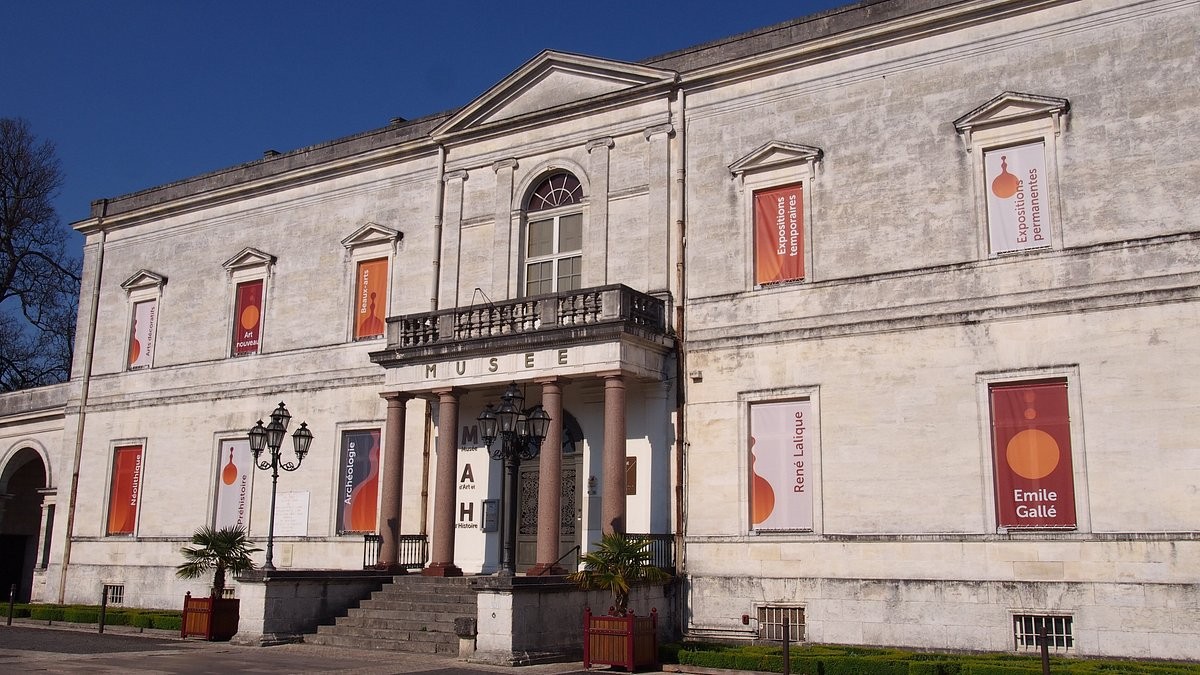


The Heart of Cognac: Exploring Château de Secondes and its Artistic Legacy
Nestled amidst the rolling vineyards of southwestern France, in the heart of the prestigious Cognac region, lies Château de Secondes – a place where history, architecture, and art converge to create an experience unlike any other. More than just a stately residence, it’s a living testament to centuries of noble patronage, a repository of exquisite decorative arts, and a window into the very soul of French craftsmanship. The château itself, with its imposing silhouette against the golden light of the Cognac landscape, speaks volumes about the power and influence wielded by the Secondes family, who have shaped this region’s identity for generations.
Originally constructed in the 17th century as a simple farmhouse, Château de Secondes underwent a dramatic transformation under the vision of the Marquis Armand-Armand-Marie-Joseph de Secondes (1739–1802). He embarked on an ambitious program of expansion and embellishment, transforming it into a magnificent Baroque palace. This wasn’t merely about building a grand house; it was about projecting an image of wealth, sophistication, and enlightened taste – a reflection of the Marquis's own ambitions and his deep connection to the burgeoning Cognac industry. The architectural evolution is fascinating, moving from a modest structure to a sprawling complex incorporating elements of Italianate design alongside traditional French styles. The meticulous planning involved numerous architects and artisans, resulting in a harmonious blend of influences that’s both imposing and inviting.
A Treasure Trove of Decorative Arts- Sculptures by Falconet: The château is renowned for its exceptional collection of sculptures by Nicolas Leclerc Falconet, a pivotal figure in the Neoclassical movement. Falconet’s works, particularly his allegorical figures and depictions of mythological subjects, adorn nearly every room, offering a remarkable insight into the tastes of the Secondes family. The sheer scale and detail of these pieces are breathtaking, showcasing Falconet's mastery of marble and bronze.
- Furniture by Boulle and Vermeere: The interiors are furnished with an astonishing array of antique furniture crafted by some of France’s most celebrated artisans – Boulle, Vermeere, and others. These pieces, often inlaid with exotic woods like ebony and ivory, demonstrate the incredible skill and artistry of 18th-century cabinetmakers. The intricate marquetry and gilding are a testament to the dedication required to create such opulent objects.
- Ceramics and Porcelain: A significant portion of the collection comprises exquisite ceramics and porcelain from Sevres, Sèvres, and other European centers. These pieces, ranging from delicate figurines to elaborate tableware, provide a glimpse into the refined lifestyle enjoyed within the château’s walls.
Beyond its material treasures, Château de Secondes holds a unique place in French cultural history. It served as a refuge for intellectuals and artists during the tumultuous years of the French Revolution and the Napoleonic era, offering a sanctuary from political upheaval. The Marquis Armand-Armand-Marie-Joseph de Secondes was known for his liberal views and his commitment to fostering intellectual discourse – a fact reflected in the château’s welcoming atmosphere and its role as a gathering place for prominent figures of the time. The family's dedication to preserving this legacy is palpable today.
Notable Exhibitions and Ongoing PreservationChâteau de Secondes regularly hosts a diverse range of exhibitions, often focusing on specific aspects of its collection or exploring broader themes related to French art and culture. Recent events have explored the influence of Falconet’s work on contemporary sculpture, while others have highlighted the evolution of Cognac production through the ages. The museum actively engages with scholars and researchers, ensuring that the château's rich history is continually interpreted and presented in new and engaging ways. Furthermore, ongoing restoration projects are meticulously undertaken to preserve the building’s architectural integrity and its invaluable collection for future generations.
What truly distinguishes Château de Secondes from other stately homes is its intimate connection to the Cognac region. Visitors can explore the château's cellars – a labyrinthine network of aging oak barrels that contribute significantly to the distinctive character of Cognac. Guided tours often include tastings, allowing guests to experience firsthand the craftsmanship and tradition behind this world-renowned spirit. It’s an immersive journey into both art and industry, a rare opportunity to understand how aesthetic sensibility and economic prosperity have intertwined throughout history. For collectors seeking authentic pieces reflecting French heritage, or for interior designers aiming to evoke a sense of timeless elegance, Château de Secondes offers an unparalleled destination.
To learn more about current exhibitions and visiting information, please visit: https://en.wikipedia.org/wiki/Cognac%2C_France