Samuel William Reynolds (1773-1835) was a British mezzotint engraver, landscape painter & gardener popular in Britain & France. Known for portraits, animal studies, and his work reproducing Sir Joshua Reynolds' art. Over 400 works at the National Por
Ethel Gabainová byla významná československá grafička a malířka známá svými melancholickými portréty mladých žen a mistrovským černobílým rytím. Členkou Senefelderova klubu byla a její dílo dokumentovalo dětské evakuace během druhé světové války.
George Patten (1801-1865) was a British portraitist known for his presentation portraits of notable figures, as well as mythological & scriptural works. Explore his art and legacy.
Manchester Town Hall stojí jako monumentální svědectví viktoriánských ambicí a občanské hrdosti – budova, která ztělesňuje nejen architektonický grandiózní rozmach, ale i ducha éry definované průmyslovými inovacemi a uměleckým rozkvětem. Nachovaná na Albert Square, v samém srdci historického centra Manchesteru, je něčím mnohem víc než jen kamenem a maltou; je to živá kronika britských dějin a maják kulturního dědictví. Toto neogotické mistrovské dílo, dokončené v roce 1877 pod vizionářským vedením architekta Alfreda Waterhousee, i dnes neustále vzbuzuje úžas a obdiv.
Majestátně vyčnívající nad Albert Square dominuje radnice svou impozantní přítomností nad městskou krajinou a nabízí návštěvníkům vstup do světa, kde detailní výřezy šeptají příběhy minulosti Manchesteru a vitráže zahalují interiér do kaleidoskopických odstínů. Waterhouse záměrně opustil klasickou symetrii, kterou upřednostňovala mnohá jeho dobová kolegové, a zvolil raději dynamickou asymetrii, která zrcadlí energický tep rostoucí průmyslové éry Manchesteru – toto odvážné rozhodnutí vytvořilo budovu zcela jedinečící ve své době. Fasáda je fascinujícím tapisérem sochařských postav – významných vědců, umělců a městských lídrů, které ožilé daroval Joseph Boehm – přičemž každá z nich přispívá k příběhu budovy jako monumentu lidského úspěchu. Směřující k nebesům, věž vysoká 85 metrů vrcholí zvonem Great Abel, jehož hluboké tóny se přes Albert Square od ozvěny přelévají již více než století a slouží jako neustálá připomínka námořního dědictví a nezlomného ducha Manchesteru.
Architektonický význam:
Návrh Alfreda Waterhousee představuje klíčový moment viktoriánské architektury – záměrné odmítnutí neoklasických konvencí ve prospěch expresivní velkoleposti gotické renesance. Inspiraci čerpal z evropských katedrál a začlenil prvky jako jsou špičaté oblouky, žlábkované svodky a tyčící se věže, aby vytvořil atmosféru vznešené krásy a duchovního zamyšlení.
Murály ve Velké síni:
Ve Velké síni se nachází jeden z nejambicióznějších uměleckých záměrů Británie: Manchesterské murály Forda Madoxe Browna – série pláten, která kronikuje historii města od jeho římských kořenů až po transformativní roky průmyslové revoluce. Tato monumentální malba zobrazují klíčové okamžiky v minulosti Manchesteru – příchod Charlemagna, normánské dobývání, elizabethánskou renesanci a viktoriánskou éru – zachycují nejen historické události, ale i ducha každého období s neuvěřitelnou citlivostí a detailem.
Poklady a odkaz Sály soch
Vedle Velké síně se nachází Sála soch, která hostí sochy připomínající vlivné osobnosti, jež formovaly intelektuální krajinu Manchesteru – Johna Daltona, Jamese Joulea a sira Johna Barbirolliho. Tyto sochy ztělesňují viktoriánský ideál hrdinské ctnosti – představují myslitele a vědce, kteří prosazovali rozum a pokrok. Ozdobná dřevořezba a vitráže sály přispívají k jejímu opulentnímu estetickému vyjádření a odrážejí bohatství i sofistikovanost Manchesteru během jeho zlatého věku.
Významní sochaři:
Sochy Josepha Boehma jsou obzvláště pozoruhodné svou precizní detailností a expresivní vyobrazením lidské důstojnosti – což je svědectvím viktoriánské umělecké zručnosti a humanistických hodnot.
Historický kontext a evoluce
Dokončená v roce 1877 se radnice Manchesteru rychle stala symbolem průmyslového úspěchu a městských ambicí. Její výstavba se shodovala s obdobím bezprecedentního ekonomického růstu poháněného výrobou bavlny a technologickými inovacemi – dobou, kdy město usilovalo o ugruntování své pozice jako centra vědy a kultury. Následné renovace během dv twentiethého století přizpůsobily budovu měnícím se společenským potřebám, čímž zachovaly její architektonickou integritu a zároveň zajistily její trvalou relevanci pro současné publikum.
Nedávné renovace a vize budoucnosti
Budova, která prochází rozsáhlým revitalizačním projektem s názvem „Our Town Hall“, prochází pečlivou obnovou, aby byla zajištěna její budoucnální pro další generace. Tento ambiciózní záměr má za cíl nejen opravit a vylepšit infrastrukturu, ale také zvýšit přístupnost a zajistit, aby Manchester Town Hall nadále sloužila jako živé centrum občanského zapojení – jako důstojná pocta její bohaté minulosti a trvající významu. Znovuotevření v létě 2026 slibuje nezapomenutelnou cestu do srdce britských dějin a architektonického umění, čímž potvrzuje postavení radnice Manchesteru jako jednoho z nejvzácnějších národních památníků.
Objevování umělecké inspirace
Zvažte portrét sira Anthonyho Marshalla z roku 1895 od Henryho Turnera Munna – úchvatný viktoriánský olejový obraz uložený v Manchester Town Hall. Prozkoumejte jeho bohatý detail a historický kontext. Obdivujte také sochy Josepha Boehma oslavující vědecké průkopníky, jako jsou Dalton a Joule. Tato umělecká díla jsou příkladem viktoriánské fascinace intelektuálním úspěchem a estetickou krásou – prvky, které v trvajícím odkazu radnice Manchesteru stále rezonují.
Redakce OriginalUniqueArt.com
Artový kvíz
U každé otázky je pouze jedna správná odpověď.
Otázka 1:
Pro jaký architektonický styl je Manchester Town Hall převážně známá?
Otázka 2:
Kdo navrhl nádherné fresky v Great Hall v Manchester Town Hall?
Otázka 3:
Jaký je význam zvonu Abel, který je umístěn v věži Manchester Town Hall?
Otázka 4:
Nadstavba radnice (Town Hall Extension) byla postavena primárně za účelem:
Otázka 5:
Z jakého materiálu je tvořena fasáda Manchester Town Hall?
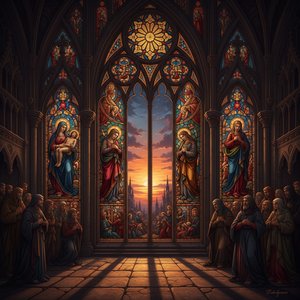
Explore the exquisite beauty & spiritual depth of Late Gothic art (c. 1300-1500). Discover key artists, symbolism, and its lasting influence on the Renaissance. Expert insights at OriginalUniqueArt.
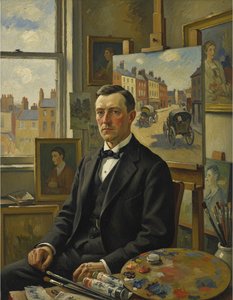
Explore the life & work of Robert Bevan, a pioneer of British Post-Impressionism and founding member of the Camden Town Group. Discover his vibrant landscapes and lasting impact on early 20th-century art.
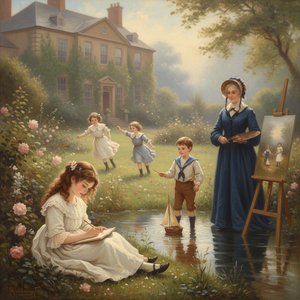
Explore the life & art of James Sant (1820-1916), renowned Victorian portraitist to Queen Victoria. Discover his captivating depictions of childhood, landscapes, and aristocratic society. Learn about his legacy & find fine art reproductions.