

Obsah textu
Základní informace
- Location: Kutaisi, Georgia
- Alternate names: Kutaisi State Historical Museum
- Featured artists: Niko Pirosmani
- Works on APS: 1
Kvíz o umění
Pro každou otázku existuje pouze jedna správná odpověď.
Otázka 1:
Jakým obdobím jsou nejvýznamnější archeologické poklady vystavené v Kutaisi státním historickému muzeu?
Otázka 2:
Z které UNESCO světové památky pocházejí zlaté poklady vystavené v Kutaisi státním historickému muzeu?
Otázka 3:
Kolik knih obsahuje Kutaisi státního historického muzea?
Otázka 4:
Co Kutaisi státní historickému muzeu nejvíce připomíná jeho sbírka rukopisů?
Otázka 5:
Který aspekt georgienské kultury nejlépe reprezentuje Kutaisi státní historickému muzeu?
Umělci v sbírce
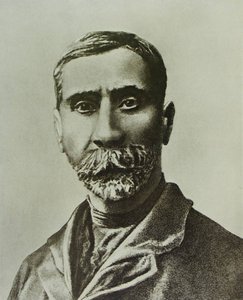
Нико Пиросмани
Niko Pirosmani (1862-1918) byl gruzínský malíř známý svým primitivním stylem a obrazovým jazykem. Jeho díla zachycují život Gruzie období jeho života a jsou dnes oslavována jako jedno z nejvýznamnějších uměleckých děl země.

Související články
Historical Painting: A Comprehensive Exploration of Movements, Techniques & Enduring Legacies
Explore the rich history of painting! Discover iconic movements, masterful techniques & enduring legacies from Renaissance to modern art. Expert insights for collectors and enthusiasts.
Francis Cotes: Elegance, Portraiture & the Rise of a Georgian Aesthetic
Explore the elegant world of Francis Cotes, pioneer of English pastel painting & celebrated Georgian portraitist. Discover his captivating portraits, artistic techniques, and lasting influence on 18th-century art.
Sir Edward Poynter: Aestheticism, Archaeology & Victorian Identity
Explore the captivating world of Sir Edward Poynter, a leading figure of Aestheticism & Victorian art. Discover his archaeological narratives, iconic paintings like 'Day Dream Fine,' and lasting influence on British art history.


Odebírejte náš newsletter
Buďte na tahu s nejnovějšími novinkami ze světa umění, exkluzivními nabídkami a inspirativními nápady na dekoraci.
Získejte 3 bezplatné návrhy uměleckých děl
Sdělte nám více o svém projektu a naši odborníci na umění vám připraví 3 personalizované návrhy uměleckých děl.
Not Sure Where to Start?
Let Us Curate 3 Options Just for You - Free!