Menu
BEZPLATNÉ UMĚLECKÉ PORADENSTVÍ

Gainsborough Old Hall

Základní informace

  • Works on APS: 18
  • Location: Gainsborough, United Kingdom
  • Movements:
    • contemporary realism
    • impressionism
    • realism
  • Featured artists:
    • william edward millner
    • charles augustus henry lutyens
  • Alternate names:
    • Gainsborough Old Hall
    • Old Hall

Kvíz o umění

Pro každou otázku existuje pouze jedna správná odpověď.

Otázka 1:
What is Gainsborough Old Hall primarily known for?
Otázka 2:
Which King visited Gainsborough Old Hall during his reign?
Otázka 3:
The Great Hall at Gainsborough Old Hall is characterized by:
Otázka 4:
What historical event is linked to Gainsborough Old Hall's significance?
Otázka 5:
Besides its architectural beauty, Gainsborough Old Hall played a role during:

A Window Into Medieval Lincolnshire: Exploring Gainsborough Old Hall

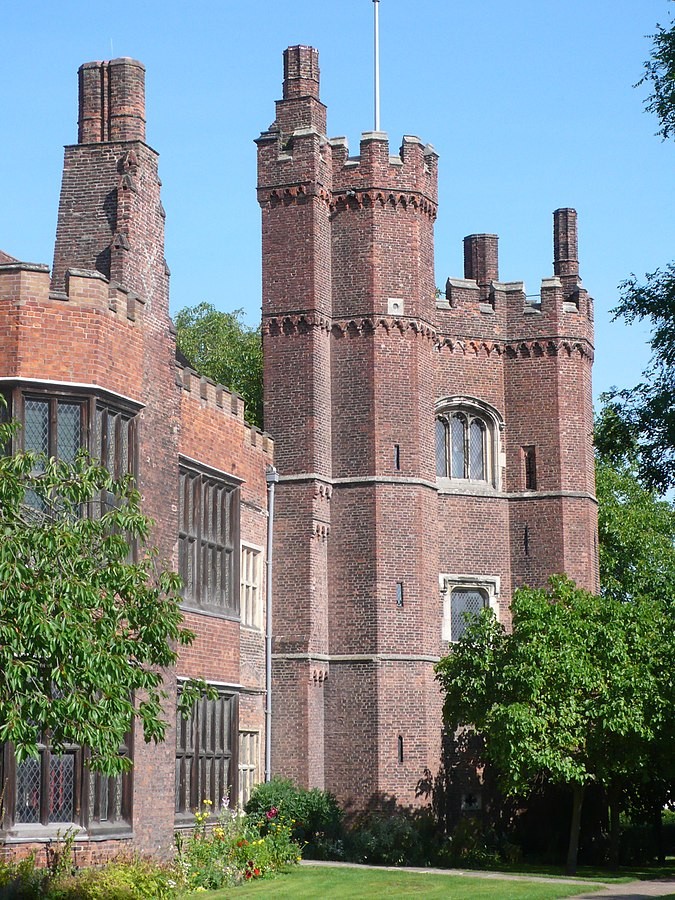
Gainsborough Old Hall isn’t merely a building; it's an embodiment of England’s medieval spirit, meticulously reconstructed and brimming with tales that whisper across centuries. Situated in the tranquil market town of Gainsborough, Lincolnshire, this manor house stands as a beacon for those seeking to reconnect with Britain’s formative past—a testament to ambition, artistry, and the enduring fascination with royal patronage. Founded between 1460 and 1480 by Sir Thomas Burgh, the Hall represents the zenith of Tudor grandeur, commissioned by a noble family determined to assert its influence on the political landscape. Its sturdy timber-framed structure, rising gracefully against the Lincolnshire horizon, is more than just stone and wood; it’s a tangible link to a time when knights ruled, monarchs commanded armies, and daily life revolved around rituals steeped in tradition. Grandeur and Intimacy: Architectural Marvels Beyond Compare The Hall's architectural design immediately captivates visitors—a masterful fusion of imposing scale and comforting domesticity. The Great Hall dominates the interior space, measuring an impressive 65 feet by 40 feet, its soaring vaulted ceiling adorned with intricate plasterwork that reflects the skill of craftsmen from the era. Sunlight floods through arched windows, illuminating the meticulously carved oak timbers and highlighting the grandeur intended to impress guests and convey power. Yet, venturing deeper into the Hall reveals a surprising juxtaposition—two colossal open fireplaces dominate the kitchen area, radiating warmth and serving as focal points for family life. These hearths weren’t simply functional; they were symbolic of prosperity and familial unity, mirroring the values upheld by Burgh’s lineage. The careful consideration given to both public display and private comfort underscores the humanist ideals prevalent during Tudor England—a deliberate contrast that speaks volumes about the social dynamics of the time. Royal Echoes: A Stage for Monarchical Drama Gainsborough Old Hall holds a pivotal place in English royal history, having welcomed King Richard III and Henry VIII during their reigns. Richard III’s visit in 1483 marked a moment of political upheaval, as he seized the throne amidst familial disputes—a scene vividly imagined by artists of the period who sought to capture the drama of the Tudor court. Later, Henry VIII's patronage solidified Gainsborough Old Hall’s reputation as a symbol of royal prestige, commissioning lavish renovations and adorning its walls with portraits celebrating his reign. The Hall served as a backdrop for significant historical events—most notably during the English Civil War when it became a garrison under Oliver Cromwell’s command, witnessing battles that shaped the nation's destiny. A Legacy Illuminated: Artistic Treasures Within Its Walls The museum’s collection showcases exceptional artworks reflecting the artistic sensibilities of the Tudor period and its immediate successors. Among the highlights is “Will he come,” by William Edward Millner (AQU9ZU), a captivating depiction capturing the anticipation surrounding Richard III's arrival—a testament to Millner’s ability to convey emotion through meticulous detail. Alongside this portrait, visitors can admire "Loading Mangold Wurzels into a Tumbril" (AQU9ZW), an evocative scene portraying a pivotal moment in Tudor history—demonstrating Millner’s mastery of composition and color palette. Furthermore, the museum houses reproductions of paintings by imitators of Thomas Gainsborough RA (AQU9ZU), capturing the stylistic influence of Gainsborough's celebrated landscapes and portraits. The collection also includes exquisite porcelain pieces from Longton Hall Manufactory (26/63), showcasing the artistic achievements of Lincolnshire’s ceramic industry during the Tudor era—a testament to craftsmanship and decorative artistry. Finally, explore the life and work of Peter Adolf Hall (PA Hall) whose miniature paintings exemplify the elegance and sophistication of 18th-century aristocratic art. A Singular Experience: Exploring Gainsborough's Hidden Stories Gainsborough Old Hall distinguishes itself as a site of profound historical significance—a repository of narratives intertwined with royal intrigue, religious fervor, and the burgeoning spirit of exploration. The museum’s curators have painstakingly reconstructed the Hall’s interior to recreate the atmosphere of medieval Lincolnshire, allowing visitors to immerse themselves in the daily life of Burgh’s family and their contemporaries. Don't miss the opportunity to ascend the tower for panoramic vistas overlooking the surrounding countryside—a breathtaking reminder of England’s medieval landscape. And delve into fascinating exhibits detailing Gainsborough Old Hall’s role during the Mayflower Pilgrims’ journey to America, illuminating the connections between Lincolnshire’s heritage and the foundations of American civilization.

Kolekce uměleckých děl

Nebyly nalezeny žádná umělecká díla.