

A Glimpse into Yorkshire’s Soul: Cusworth Hall Museum & Park
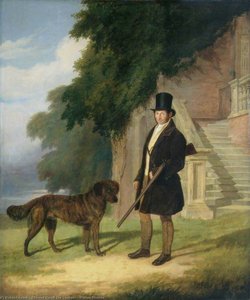
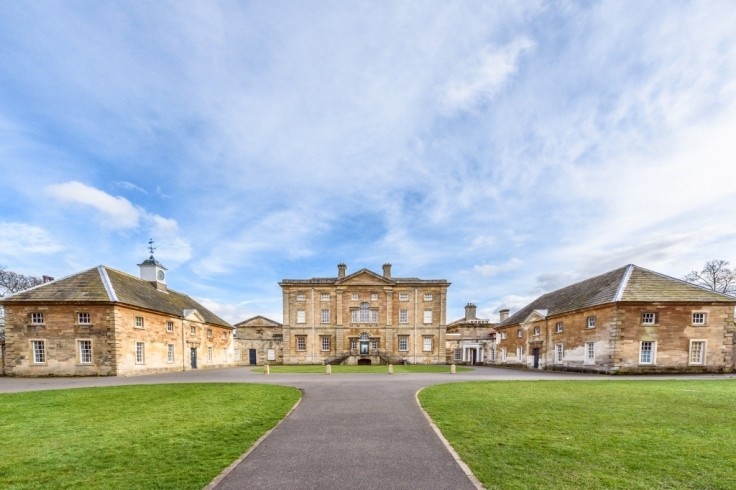
Nestled within the rolling hills of South Yorkshire, a mere stone's throw from the vibrant city of Doncaster, lies Cusworth Hall Museum & Park – a remarkably preserved window onto centuries of British life. More than just a stately home, it’s an immersive experience, a tangible connection to the past that manages to feel both grand and intimately human. Originally conceived as the residence of William Wrightson in 1740, this Grade I listed building stands as a testament to Georgian elegance, its ashlar façade reflecting the wealth and ambition of its early occupants – the Battie-Wrightson family. But Cusworth’s story extends far beyond mere architectural grandeur; it's a chronicle of social shifts, industrial progress, and the enduring spirit of a community shaped by generations.
The hall itself is a masterpiece of Palladian design, meticulously crafted by George Platt, showcasing a harmonious blend of symmetry and light. Notice the carefully proportioned windows, designed to flood the interior with natural illumination – a deliberate choice reflecting the Enlightenment ideals of clarity and reason. Beyond the formal reception rooms, explore the intricate detailing in the wood panelling, the delicate plasterwork adorning the ceilings, and the exquisite collection of furniture that speaks volumes about the family’s status and tastes. The building's evolution is fascinating; it wasn’t simply built – it was continually adapted and refined over decades, incorporating elements from earlier structures like the ‘Old Hall,’ a charming reminder of Cusworth’s long-standing history as a significant estate.
A Tapestry of Daily Life
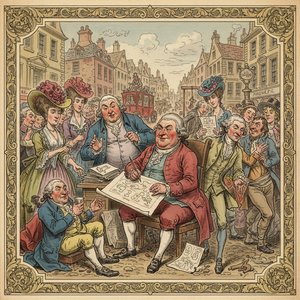
Cusworth Hall's true brilliance lies in its commitment to social history. The museum doesn’t simply display objects; it reconstructs experiences. Exhibits meticulously detail the rhythms of domestic life, from the bustling kitchens and parlours to the private chambers of the family. You’ll find period clothing – a stunning array of silks, velvets, and lace – alongside tools and implements that illuminate the skills required for survival and prosperity. The collection truly shines in its exploration of work and leisure; displays showcase the crafts practiced by local artisans, the games played by children, and the social gatherings that defined community life. A particular highlight is the section dedicated to the Wrightson family’s influence on the region – their patronage of the arts, their involvement in local governance, and their role in shaping Doncaster's economic landscape.
Industrial Echoes & Changing Customs
However, Cusworth’s story isn’t solely rooted in aristocratic privilege. The museum powerfully documents the rise of Doncaster as a significant industrial centre. Exhibits delve into the impact of the railways and the burgeoning coal industry on the surrounding communities, presenting a nuanced perspective that acknowledges both the opportunities and challenges presented by these developments. You'll discover artifacts relating to local industries – tools used in textile production, machinery from ironworks, and even personal belongings of workers who shaped Doncaster’s identity. Furthermore, the museum offers a rich exploration of evolving social customs, fashion trends, and technological advancements—a testament to how society has changed over time.
Beyond the Walls: The Park's Enduring Beauty
The allure of Cusworth Hall extends far beyond its walls into the expansive parkland that surrounds it. Designed by the renowned landscape architect Richard Woods in the late 18th century, the park is a masterpiece of formal gardens and naturalistic woodland. Wander along the meticulously maintained walking trails, pausing to admire the cascading waterfalls, the serene lake, and the carefully positioned sculptures – remnants of a bygone era. The park’s design reflects a deliberate attempt to create a harmonious blend of artifice and nature, offering visitors a tranquil escape from the pressures of daily life. Don't miss the bistro and microbrewery nestled within the grounds—a delightful spot for refreshments and further exploration.
A Cotswolds Moment in Yorkshire
What truly distinguishes Cusworth Hall is its remarkable ability to evoke a sense of timeless charm, reminiscent of the picturesque villages of the Cotswolds. Despite its grand scale and historical significance, the hall retains an approachable warmth and intimacy—a feeling reinforced by its free admission policy. It’s a place where visitors can lose themselves in stories of the past, connect with their heritage, and appreciate the enduring beauty of Yorkshire's landscape. Cusworth Hall isn’t just a museum; it’s a journey through time, a celebration of human ingenuity, and a poignant reminder of the lives that have shaped this remarkable corner of England.