

Barnet Local Studies - Archives: A Window into Northern Heights
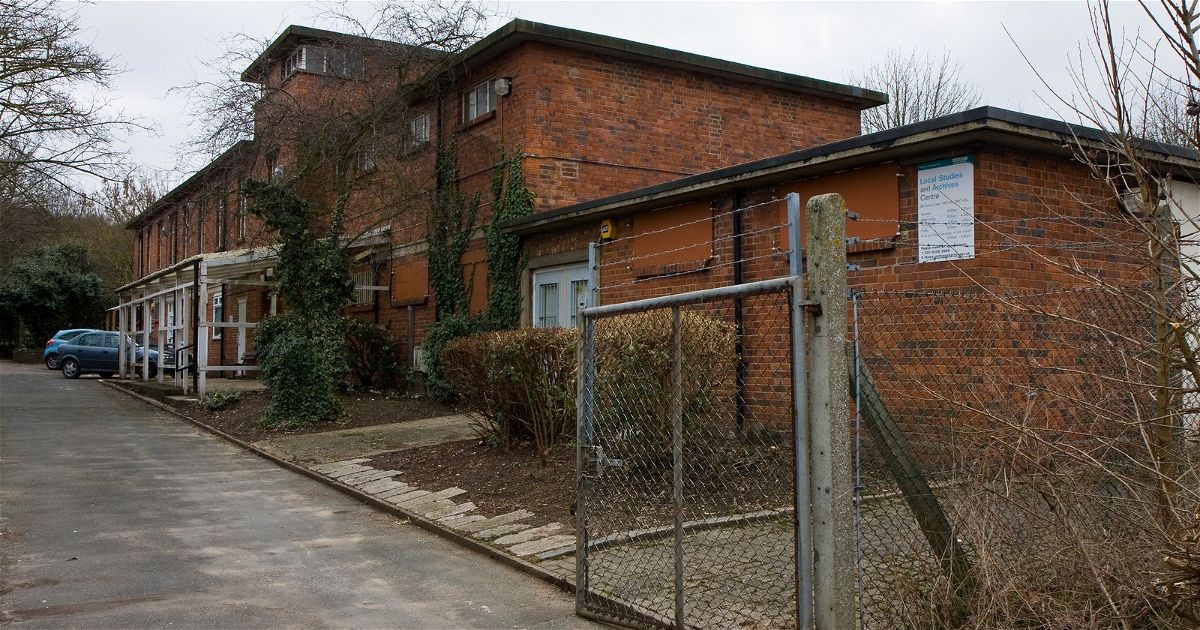
Nestled within the tranquil grounds of Mill Hill, the Barnet Local Studies – Archives stands as a quietly powerful testament to the enduring spirit and evolving history of this often-overlooked corner of London. More than just a repository of documents and artifacts, it’s a vibrant portal offering intimate glimpses into the lives, landscapes, and decisions that have shaped Barnet from its Roman roots to the present day. The museum itself, housed within a building whose architectural style subtly reflects its late Victorian origins – a harmonious blend of red brick and intricate detailing – immediately establishes a sense of grounded authenticity, mirroring the very stories it holds within.
The heart of the collection lies in its remarkably comprehensive archive. Here, one can delve into the minutiae of Barnet’s past through meticulously preserved census records, offering detailed snapshots of population shifts and social dynamics across generations. Council minutes provide invaluable insight into local governance, revealing the debates, decisions, and sometimes surprising quirks that have guided the borough's development. Beyond these formal documents, a wealth of material awaits – parish registers charting births, marriages, and deaths; rate books illuminating property ownership and economic activity; and a fascinating collection of early maps depicting the changing boundaries and landscape of the area. The archive’s strength isn’t simply in its volume but in its breadth, encompassing everything from military records to local newspapers, providing a truly holistic understanding of Barnet's journey.
A Landscape Preserved: Topographical Views by Childe Pocock
Amongst the many treasures housed within the archives are a series of stunning topographical paintings created primarily between 1900 and 1930 by Henry Childe Pocock. These works, particularly ‘Cattle by a Pond,’ offer an evocative portrayal of Northern Heights – a region largely untouched by industrialization at the time. Pocock’s masterful use of light and color captures the serene beauty of the countryside, depicting rolling hills, meandering streams, and idyllic rural scenes. The paintings are not merely representations of landscape; they are imbued with a sense of nostalgia for a disappearing way of life, reflecting a period when Barnet was still largely defined by its agricultural roots. The detail in these works is remarkable, showcasing a deep understanding of the local flora and fauna, and offering a valuable visual record of a rapidly changing environment.
These paintings are not on permanent display but can be accessed through the archives’ research facilities, providing invaluable context for researchers and historians. They represent a crucial element in understanding Barnet's past – a tangible reminder of its rural heritage before it was transformed into the suburban borough we know today. The collection also includes works by M.L. Davison, further enriching this visual chronicle of Northern Heights.
Beyond Documents: A Community’s Story
What truly distinguishes Barnet Local Studies – Archives is its deep-rooted connection to the local community. It's not just a museum; it’s a living repository of collective memory, actively supported by volunteers and researchers who are passionate about preserving and sharing Barnet’s history. The centre regularly hosts events, workshops, and exhibitions that engage residents of all ages, fostering a sense of pride in their heritage and encouraging active participation in the ongoing story of the borough. The collection is constantly growing, with new documents and photographs being added on an almost daily basis – ensuring that Barnet’s past remains accessible for generations to come.
Furthermore, the archives actively collaborate with local schools and educational institutions, providing resources and support for students undertaking research projects. The ‘pocket histories’ series, a collection of concise summaries of key events and figures in Barnet's history, are particularly popular amongst young people, offering an engaging introduction to the borough’s rich past.
Resources & Connections
For those seeking further information or planning a visit, several valuable resources are available. The Barnet Council website ( https://www.barnet.gov.uk/libraries/local-studies-and-archives ) provides detailed information about the archives’ collections, opening hours, and research facilities. The museum is also part of a wider network of libraries across Barnet, offering access to a comprehensive range of books, periodicals, and digital resources. The local studies centre in Mill Hill offers reference access to local materials dating back to the 16th century and with a number of information sheets on local topics.
Nearby, the London Borough of Barnet ( https://en.wikipedia.org/wiki/London_Borough_of_Barnet ) offers a broader context for understanding the borough’s history and governance, while the wider London area can be explored through resources like the Greater London Authority ( https://www.london.gov.uk/ ). And for art enthusiasts, the Art UK website ( https://artuk.org/visit/venues/barnet-local-studies-archives-6466 ) provides a valuable overview of the museum’s artistic holdings.