Portrét Worthy Vizard

14 nejslavnějších obrazů autora Worthy Vizard, výběr z galerie

Aktualizováno listopad 2026 · seřazeno podle našeho skóre popularity (vyhledávání, návštěvy a objednávky u každého díla) · 14 děl umělce Worthy Vizard v našem katalogu

Stručně řečeno

Z všech originálů, které Worthy Vizard zanechal, je nejslavnější Charles Cardale Babington (1888), který se nachází ve sbírce Ústav rostlinných věd, Cambridge. Hned za ním následují Alderman W. R. Barker (1902) a Portrait of a Man (1884). Náš katalog obsahuje 14 děl umělce Worthy Vizard; galerie si zachovala 14 děl, která obdivuje celý svět, přičemž každé je znázorněno s datem vzniku, názevem muzea a jeho příběhem.

1848 – 1904 Nejvíce děl: Manx Museum

10 nejlepších obrazů umělce Worthy Vizard: výběr galerie

1
Charles Cardale Babington (1888) od Worthy Vizard

Charles Cardale Babington

1888 · Oil On Canvas · Ústav rostlinných věd, Cambridge

In this 1888 portrait, Worthy Vizard captures the likeness of Charles Cardale Babington. The subject sits with a quiet, settled presence. He was a man of many disciplines, an English botanist, entomologist, and archaeologist. His gaze holds the weight of a scholar who once studied under John Stevens Henslow. There is a stillness here, the kind found in a library or a herbarium after the lamps have been dimmed.

2
Alderman W. R. Barker (1902) od Worthy Vizard

Alderman W. R. Barker

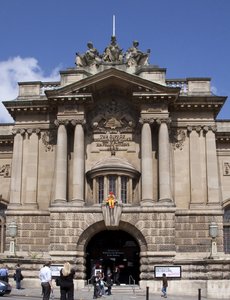
1902 · Oil On Canvas · Bristol Museum - Art Gallery, Bristol

In this 1902 portrait, we encounter Alderman W. R. Barker, a man whose presence commands the space through a quiet, settled authority. The subject is rendered with a meticulous realism that avoids the theatrical, opting instead for a sincere observation of character. He is positioned centrally, his form emerging from a dark, indistinct background that directs all attention to the textures of his person. The lighting is deliberate, sweeping in…

Výběr umělce Worthy Vizard pokračuje, od 11 do 14

Motivy, které zaujaly Worthy Vizard

Čtyři témata, která se v těchto originálech nejčastěji objevují, z nichž každé má svůj nejlepší příklad.

Muzea, v nichž jsou vystavena originálna umělce Worthy Vizard

6 muzea, v nichž je umístěno nejvíce obrazů z této stránky.

Muzeum Město Díla autora Worthy Vizard Obrazy z tohoto seznamu
Manx Museum, DouglasManx Museum Douglas 3 Portrait of an Unknown Lady, Major James Spittal (c.1825–1914), Portrait of an Unknown Gentleman
Ústav rostlinných věd, CambridgeÚstav rostlinných věd Cambridge 1 Charles Cardale Babington
Bristol Museum - Art Gallery, BristolBristol Museum - Art Gallery Bristol 1 Alderman W. R. Barker
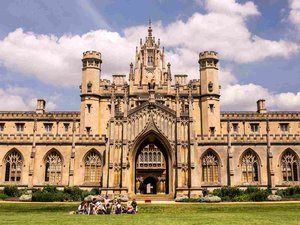
St John’s College (Cambridge), CambridgeSt John’s College (Cambridge) Cambridge 1 Charles Cardale Babington (1808–1895), Professor of Botany
Torquay Town Hall, TorquayTorquay Town Hall Torquay 1 J. F. Rockhey, JP, Mayor of Torquay (1896–1897 1901–1902), Freeman of the Borough
The Council House, ChichesterThe Council House Chichester 1 Peyton Temple Mackeson, MA (Oxon) JP, Hon. Freeman of the City of Chichester, Mayor (1901– 1904)

Worthy Vizard dekáda po dekádě: originální díla, která definují každou z nich

Díla podle dekád

Vyberte si dekádu a prohlédněte si originál, který ji definuje.

Otázky sběratelů o obrazech umělce Worthy Vizard

Kterým dílem je Worthy Vizard nejznámější?Odhalit odpověď

Charles Cardale Babington (1888), Ústav rostlinných věd, Cambridge. Následují Alderman W. R. Barker (1902) a Portrait of a Man (1884).

Kolik let bylo Worthy Vizard, když bylo vytvořeno dílo Charles Cardale Babington?Odhalit odpověď

40 let: dílo Charles Cardale Babington pochází z roku 1888 a Worthy Vizard se narodil/a v roce 1848.

Kterých deset nejslavnějších obrazů má Worthy Vizard?Odhalit odpověď

Charles Cardale Babington, Alderman W. R. Barker, Portrait of a Man, William Martin Rust, Mayor of Wisbech (1883), Joseph Hamlyn (1809–1888), Portrait of an Unknown Man, Portrait of an Unknown Lady, Portrait of a Man with a Moustache, Alderman J. F. Thompson a Charles Cardale Babington (1808–1895), Professor of Botany. Hodnocení výše uvádí rok a muzeum pro každé z nich.

Kolik obrazů zanechal(a) Worthy Vizard?Odhalit odpověď

Náš katalog obsahuje 14 děl umělce Worthy Vizard z let 1884 až 1903.

Ve kterých muzeích jsou vystavena díla mistrovská umělce Worthy Vizard?Odhalit odpověď

Většinou v Manx Museum (Douglas), Ústav rostlinných věd (Cambridge) a Bristol Museum - Art Gallery (Bristol). V tabulce muzeí výše jsou vypsány všechny.

V jakých letech namaloval Worthy Vizard svá nejznámější díla?Odhalit odpověď

V období 1880s: 5 z celkem 14 děl na této stránce vzniklo právě tehdy, z toho Charles Cardale Babington z nich.

Jaká jsou první a poslední slavná originální díla umělce Worthy Vizard?Odhalit odpověď

Na této stránce je nejstarší dílo z Portrait of a Man (1884) a nejnovější z Peyton Temple Mackeson, MA (Oxon) JP, Hon. Freeman of the City of Chichester, Mayor (1901– 1904) (1903).

Jaká témata si Worthy Vizard vybíral nejčastěji?Odhalit odpověď

Portrait (4), Dignified (4) a Victorian (3) napříč 14 díly na této stránce.

Kterou techniku používal(a) Worthy Vizard nejčastěji?Odhalit odpověď

Oil On Canvas, u 2 z 14 děl na této stránce.

Která díla umělce Worthy Vizard jsou vystavena v Manx Museum?Odhalit odpověď

Portrait of an Unknown Lady, Major James Spittal (c.1825–1914) a Portrait of an Unknown Gentleman: muzeum Manx Museum, Douglas má v obsluze 3 děl z této stránky.

Worthy Vizard: život a dílo

Worthy Vizard: A Dignified Observer of Victorian Society

Worthy Vizard (1848-1904) wasn’t a name that immediately resonates within the grand halls of art history, yet his quietly assured portraits offer a remarkably intimate glimpse into the social fabric of late 19th and early 20th century Britain. Born in London, Vizard's career unfolded primarily through commissions – largely for prominent figures like mayors, academics, and members of the gentry – resulting in a body of work characterized by its dignified restraint and meticulous realism. He wasn’t a flamboyant innovator; rather, he excelled at capturing the essence of his subjects with a subtle grace that speaks volumes about their status and character.

Vizard's artistic training remains somewhat shrouded in mystery, though it’s believed he initially studied under John Brett, a leading figure in the British plein air movement. However, Vizard quickly developed a distinct style, moving away from the bright, open landscapes favored by his teacher and embracing a more controlled, studio-based approach. His technique was rooted in academic tradition – careful observation, precise drawing, and a masterful understanding of light and shadow – but he infused it with a remarkable sensitivity to detail and an ability to convey personality through subtle gestures and expressions. He wasn’t interested in dramatic poses or theatrical displays; instead, he sought to capture the quiet dignity and inherent worth of his subjects.

The Portraiture of Victorian Life

Vizard's most significant contribution lies in his prolific output of portraits. These weren’t merely likenesses; they were carefully constructed representations of individuals within their social context. He frequently depicted mayors, aldermen, and members of the local council – figures who held positions of authority and influence – presenting them with a respectful formality that reflected their roles. Simultaneously, he also painted academics, doctors, and other professionals, showcasing their intellectual pursuits and professional standing. His portraits of Charles Cardale Babington, a botanist, and Alderman W. R. Barker exemplify this trend; each piece meticulously details the subject’s attire, demeanor, and surroundings, offering a window into their lives and professions.

Notably, Vizard's work reflects the prevailing social values of the Victorian era – respect for authority, emphasis on decorum, and a belief in the importance of social standing. His portraits served not only as visual records but also as subtle endorsements of these values. He skillfully navigated the complexities of his role as a portraitist, capturing both the outward appearance and the underlying character of his subjects with remarkable accuracy and sensitivity.

Technique and Style

Vizard’s style is often described as “academic realism,” characterized by its meticulous attention to detail and adherence to classical principles. He employed oil paints with a smooth, polished finish, creating surfaces that shimmered with light and reflected the textures of fabrics and skin. His compositions were typically balanced and symmetrical, reflecting a desire for order and stability. He was particularly adept at rendering clothing – capturing the folds, wrinkles, and sheen of various materials with astonishing precision.

While his work lacks the bold brushstrokes or expressive intensity of some contemporary artists, Vizard’s portraits possess a quiet elegance and understated charm. His use of light is subtle yet effective, creating a sense of depth and atmosphere that draws the viewer into the scene. He avoided overt sentimentality, instead focusing on capturing the essential qualities of his subjects with a cool, objective gaze.

Legacy and Significance

Worthy Vizard’s impact on British portraiture may not be immediately apparent, but his work represents a significant contribution to the genre. He was a skilled craftsman who consistently produced high-quality portraits that captured the essence of Victorian society. His meticulous attention to detail, combined with his sensitivity to character and social context, resulted in a body of work that offers valuable insights into the lives and times of those who shaped Britain during this period.

Today, Vizard’s paintings are primarily found in private collections and museums, but they continue to be appreciated for their quiet dignity and understated charm. His portraits serve as reminders of a bygone era – an era defined by social hierarchy, respect for tradition, and the enduring power of visual representation.