

1


Aktualizováno listopad 2026 · seřazeno podle našeho skóre popularity (vyhledávání, návštěvy a objednávky u každého díla) · 9 děl umělce William Robert Houghton v našem katalogu
Stručně řečeno
Z pohledu galerie je nejslavnějším dílem William Robert Houghton obrazem Mountainous Landscape in the Western Ghats (1876), jehož originál je vystaven v British Library v obci Londýn. Waterfall in the Western Ghats (1876) a Landing Stage on a River, Western Ghats (1878) doplňují trio, které každé oko okamžitě pozná. Z 9 děl umělce William Robert Houghton v našem katalogu představuje galerie níže 9 nejznámějších děl, z nichž každé je originálem s uvedením roku vzniku, muzea a toho, co jej činí jedinečným.


Muzeum s největším počtem obrazů na této stránce.
| Muzeum | Město | Díla autora William Robert Houghton | Obrazy z tohoto seznamu |
|---|---|---|---|
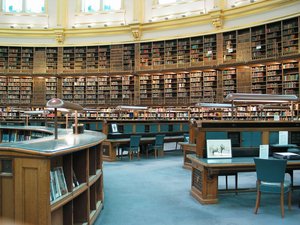 British Library |
Londýn | 9 | Mountainous Landscape in the Western Ghats, Waterfall in the Western Ghats, Landing Stage on a River, Western Ghats |
4 let, od 1875 do 1878, zachycuje na této stránce celou časopisevnou tvorbu umělce William Robert Houghton: krátký přehled, který zde uvidíte rok po roce prostřednictvím jeho nejslavnějších originálů.
Vyberte rok a prohlédněte si originály.
Mountainous Landscape in the Western Ghats (1876), British Library, Londýn. Následují Waterfall in the Western Ghats (1876) a Landing Stage on a River, Western Ghats (1878).
50 let: dílo Mountainous Landscape in the Western Ghats pochází z roku 1876 a William Robert Houghton se narodil/a v roce 1826.
Náš katalog obsahuje 9 děl umělce William Robert Houghton z let 1875 až 1878.
Většinou v British Library (Londýn). V tabulce muzeí výše jsou vypsány všechny.
V období 1876: 5 z celkem 9 děl na této stránce vzniklo právě tehdy, z toho Mountainous Landscape in the Western Ghats z nich.
Na této stránce je nejstarší dílo z Ibrahim Rauza, Tomb and Mosque Complex of Ibrahim Adil Shah (ruled 1580–1627), at Bijapur (1875) a nejnovější z Landing Stage on a River, Western Ghats (1878).
Mountainous Landscape in the Western Ghats, Waterfall in the Western Ghats a Landing Stage on a River, Western Ghats: muzeum British Library, Londýn má v obsluze 9 děl z této stránky.
The canvases of William Robert Houghton transport us to a world steeped in the quiet majesty of India’s Western Ghats and the bustling energy of Bijapur’s Ibrahim Rauza. More than just landscape painters, Houghton possessed an uncanny ability to capture not only the visual beauty of these locations but also the very essence of their spirit – a delicate balance between observation, emotion, and a profound respect for the subjects he depicted. Born in 1826, Houghton's artistic journey was shaped by a keen eye for detail, a mastery of watercolor technique, and an enduring fascination with the diverse cultures and landscapes of India.
Houghton’s early life remains somewhat shrouded in mystery, though his documented career firmly establishes him as a significant figure in 19th-century Indian art. He arrived in India during a period of intense colonial interest, when European artists were increasingly drawn to the subcontinent's exotic allure. Unlike many of his contemporaries who focused on grand portraits or historical scenes, Houghton chose to immerse himself in the everyday life and natural beauty of the region. This decision marked him as an artist deeply invested in understanding and representing the local environment and its people.
Houghton’s artistic output is remarkably varied, reflecting his extensive travels throughout India. He spent considerable time documenting the dramatic landscapes of the Western Ghats – a mountain range renowned for its lush forests, cascading waterfalls, and terraced hillsides. His watercolors of this region are particularly celebrated for their atmospheric quality, capturing the interplay of light and shadow with remarkable sensitivity. The series of paintings depicting “Mountain Stream in the Western Ghats” and “River with Mountains in the Distance, Western Ghats,” exemplify his ability to convey both the grandeur and tranquility of these landscapes.
Beyond the Western Ghats, Houghton also ventured into the historical heartland of Bijapur, where he produced a series of evocative paintings of Ibrahim Rauza – the tomb and mosque complex dedicated to Ibrahim Adil Shah, a 16th-century Sultan. These works demonstrate his skill in capturing architectural detail while simultaneously conveying the solemnity and beauty of this important historical site. The meticulous rendering of the intricate carvings and the play of light on the stone surfaces are testament to Houghton’s observational abilities.
Houghton's watercolor technique is characterized by a delicate layering of washes, subtle gradations of color, and a masterful control of texture. He avoided overly bold brushstrokes, preferring instead to build up his images gradually, allowing the colors to blend seamlessly together. This approach created a sense of depth and luminosity that was particularly effective in capturing the atmospheric effects of light and shadow. His style can be described as impressionistic, though it is tempered by a meticulous attention to detail and a strong sense of realism.
Furthermore, Houghton’s work demonstrates an understanding of color theory and composition. He skillfully used contrasting colors to create visual interest and harmony, and he carefully arranged his subjects within the frame to achieve a balanced and engaging composition. His paintings are not merely representations of reality; they are carefully constructed works of art that invite the viewer to contemplate their beauty and significance.
William Robert Houghton’s contribution to Indian art is often overlooked, yet his work holds considerable historical and artistic value. He was one of the first Western artists to dedicate himself to documenting the landscapes and cultures of India with a genuine sense of respect and understanding. His paintings provide valuable insights into the region's natural beauty and cultural heritage.
His legacy extends beyond his individual works, as he helped to establish a tradition of landscape painting in India that continues to inspire artists today. Houghton’s meticulous observation, masterful technique, and profound appreciation for the subject matter serve as an enduring example of artistic excellence. The Robert McLaughlin Gallery in Ontario, Canada, maintains a significant collection of his work, ensuring that his art will continue to be appreciated by future generations.


