Stručně řečeno
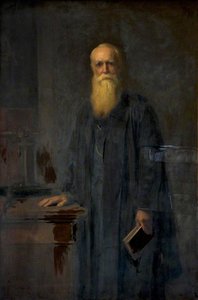
Portrait of an Unidentified Ipswich Mayor (1880) je obraz autora William R. Symonds, který přitahuje nejvíce pohledů. Poté se zrak přesouvá k Robert Ransome (1875) a Mrs Mary Ransome (1875). Z 19 děl umělce William R. Symonds v našem katalogu je těchto 18 těch nejznámějších; každé z nich je unikátním originálem s uvedením roku vzniku, muzea a důvodu jeho nesmrtelnosti.
Top 10 obrazů autora William R. Symonds podle výběru galerie
Slavná díla umělce William R. Symonds, čísla 11 až 18
Muzea, v nichž jsou vystavena originálna umělce William R. Symonds
7 muzea, v nichž je umístěno nejvíce obrazů z této stránky.
| Muzeum | Město | Díla autora William R. Symonds | Obrazy z tohoto seznamu |
|---|---|---|---|
| Londýn | 2 | Portrait of Sir Richard Wallace, Sir Richard Wallace | |
| Oxford | 1 | The Reverend D. P. Chase, DD, Principal of St Mary Hall, Oxford | |
| Belfast | 1 | Professor Joseph David Everett (1831–1904) | |
| 1 | The Princess and the Frog | ||
| Thames | 1 | The Right Honourable George Viscount Cave, CC, MC | |
| Edinburgh | 1 | The Right Honourable Sir Charles Dalrymple (1839–1916), Bt | |
| Bristol | 1 | Doreen Albinia de Burgh Gibbs (1913–2008), Aged 4, Later the Honourable Mrs Charles Bathurst Norman |
William R. Symonds napříč desetiletími: jeden unikátní originál pro každou dekádu
Díla podle dekád
Vyberte si dekádu a prohlédněte si originál, který ji definuje.
Obrazy umělce William R. Symonds: dotazy pro galerii
Kterým nejznámějším dílem je William R. Symonds?Odhalit odpověď
Portrait of an Unidentified Ipswich Mayor (1880). Následují Robert Ransome (1875) a Mrs Mary Ransome (1875).
V jakém věku vytvořil(a) William R. Symonds dílo Portrait of an Unidentified Ipswich Mayor?Odhalit odpověď
29 let: dílo Portrait of an Unidentified Ipswich Mayor pochází z roku 1880 a William R. Symonds se narodil/a v roce 1851.
Kterých deset obrazů autora William R. Symonds je nejznámějších?Odhalit odpověď
Portrait of an Unidentified Ipswich Mayor, Robert Ransome, Mrs Mary Ransome, Portrait of Sir Richard Wallace, Study of a Man, Sir Richard Wallace, James Alan Ransome, Vice President of Ipswich Working Men's Club, Edward Christian, Principal of Ipswich Working Men's Club, Archdeacon R. H. Groome (1810–1889) a The Reverend D. P. Chase, DD, Principal of St Mary Hall, Oxford. Hodnocení výše uvádí rok a muzeum pro každé z nich.
Kolik známých děl má autor William R. Symonds?Odhalit odpověď
Náš katalog obsahuje 19 děl umělce William R. Symonds z let 1875 až 1917.
Kde lze vidět nejznámější originály umělce William R. Symonds?Odhalit odpověď
Většinou v Wallace Collection (Londýn), Oriel College (Oxford) a Queen's University Belfast (Belfast). V tabulce muzeí výše jsou vypsány všechny.
V jakém období vytvořil(a) William R. Symonds svá nejznámější obrazy?Odhalit odpověď
V období 1880s: 9 z celkem 18 děl na této stránce vzniklo právě tehdy, z toho Portrait of an Unidentified Ipswich Mayor z nich.
Který slavný obraz od William R. Symonds je nejstarší a který nejnovější?Odhalit odpověď
Na této stránce je nejstarší dílo z Robert Ransome (1875) a nejnovější z Doreen Albinia de Burgh Gibbs (1913–2008), Aged 4, Later the Honourable Mrs Charles Bathurst Norman (1917).
Jaká originální díla William R. Symonds mohu vidět v Wallace Collection?Odhalit odpověď
Portrait of Sir Richard Wallace a Sir Richard Wallace: muzeum Wallace Collection, Londýn má v obsluze 2 děl z této stránky.
William R. Symonds: portrét umělce
A Life Subtly Revealed: William Robert Symonds and the Currents of Victorian Thought
William Robert Symonds, born in 1851, remains a figure shrouded in a delicate ambiguity – a poet, cultural historian, and scholar whose life was deeply interwoven with the intellectual and social upheavals of late Victorian England. While not a household name like his father, John Addington Symonds, a prominent literary critic and advocate for Greek love, William’s contributions offer a fascinating lens through which to view the complexities of the era. His existence wasn't one of grand public pronouncements but rather a quiet exploration of Renaissance studies, homoerotic themes, and the burgeoning field of cultural history, all conducted within the constraints – and often the shadows – of Victorian morality. He died in 1934, leaving behind a body of work that continues to intrigue scholars for its nuanced perspectives and personal revelations.Early Influences and Academic Pursuits
The shadow of his father loomed large over William’s early life. John Addington Symonds was a pivotal figure in the Aesthetic movement, championing the beauty of classical art and literature, and openly (though cautiously) discussing same-sex attraction in his writings. This intellectual environment undoubtedly shaped young William's sensibilities. He received a privileged education, fostering a deep love for languages, history, and the arts. He pursued academic studies with diligence, focusing on the Italian Renaissance – a period he found particularly resonant due to its flourishing of artistic expression and, importantly, its more tolerant attitudes towards same-sex relationships compared to Victorian England. His early scholarship wasn’t marked by radical departures from established norms; rather, it was characterized by meticulous research and a growing fascination with the social contexts that shaped Renaissance art and literature. He absorbed his father's passion for classical ideals but began to carve out his own path, moving beyond purely aesthetic appreciation towards a more sociological understanding of culture.Themes and Artistic Development
Symonds’ work is distinguished by its subtle yet persistent exploration of homoerotic desire, often veiled within the framework of Renaissance studies. He didn't directly advocate for homosexual rights in the manner of his father; instead, he embedded his interests within detailed analyses of Italian poetry, art, and social customs. His writings frequently focus on male beauty, idealized friendships, and the passionate bonds between men – themes that would have been considered highly controversial at the time. His approach was one of careful allusion and coded language, allowing him to navigate the treacherous waters of Victorian censorship while still expressing his own sensibilities. He wasn’t solely preoccupied with sexuality; he also demonstrated a keen interest in the social history of Florence, examining the lives of artisans, merchants, and ordinary citizens alongside the more celebrated figures of the Renaissance. This broader focus distinguishes him from purely aesthetic or biographical studies. His poetry, though less widely known than his historical work, often reflects similar themes – longing, unrequited love, and a melancholic yearning for connection.Major Achievements and Historical Significance
While Symonds didn’t produce any single landmark publication that catapulted him to fame, his cumulative body of work represents a significant contribution to the understanding of Renaissance culture and Victorian intellectual life. His detailed studies of Florentine society provided valuable insights into the daily lives and social structures of the period, moving beyond traditional narratives focused solely on political events and artistic masterpieces.- His meticulous research challenged conventional interpretations of Renaissance art and literature.
- He offered a nuanced perspective on the complexities of male relationships in both the Renaissance and Victorian eras.
- His work, though often coded, contributed to a growing body of scholarship exploring same-sex desire in historical contexts.