


1


Aktualizováno říjen 2026 · seřazeno podle našeho skóre popularity (vyhledávání, návštěvy a objednávky u každého díla) · 23 děl umělce William Hart v našem katalogu
Stručně řečeno
Z všech originálů, které William Hart zanechal, je nejslavnější Hudson River Landscape (1854). Hned za ním následují Tivoli Falls (1851) a Rocky Coast at Sunset (1860). Náš katalog obsahuje 23 děl umělce William Hart; galerie si zachovala 22 děl, která obdivuje celý svět, přičemž každé je znázorněno s datem vzniku, názevem muzea a jeho příběhem.


 Cows in the Meadow1878
12
 Hudson River Landscape1879
13
 Scene at Napanoch1883 · Metropolitan Museum of Art
14
 Cattle and Landscape1880 · Centennial One Object Exhibit
15
 Grand manan
16
 New London, Connecticut
17
 Fields in Summer
18
 Near Tappan Zee, New York
19
 View of New Hampshire
20
 Sunset over the Lake
21
 Summer stream
22
 Woodland scene
Čtyři témata, která se v těchto originálech nejčastěji objevují, z nichž každé má svůj nejlepší příklad.
4 muzea, v nichž je umístěno nejvíce obrazů z této stránky.
| Muzea | Město | Díla autora William Hart | Obrazy z tohoto seznamu |
|---|---|---|---|
 Albany Institute of History - Art |
Albany | 1 | Tivoli Falls |
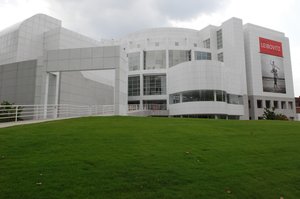 High Museum of Art |
Atlanta | 1 | The Last Gleam |
 Metropolitan Museum of Art |
New York | 1 | Scene at Napanoch |
 Centennial One Object Exhibit |
Unknown | 1 | Cattle and Landscape |
Díla umělce William Hart v tomto výběru pokrývají pouze 6 let, od 1878 do 1883: krátká kariéra, zobrazená zde rok po roce.
Vyberte rok a prohlédněte si originály.


This painting hangs in the dining room of Thomas Edison

William Hart's "Scene at Napanoch," painted in 1883, isn’t merely a landscape; it’s a carefully constructed tableau of rural life imbued with a profound sense of quiet observation and the subtle melancholy inherent in capturing a fleeting moment. This Hudson River School masterpiece, housed within The Metropolitan Museum of Art in New York City, offers a glimpse into a bygone era – a time when America was still grappling with…
Hudson River Landscape (1854). Následují Tivoli Falls (1851) a Rocky Coast at Sunset (1860).
Hudson River Landscape, Tivoli Falls, Rocky Coast at Sunset, On the Maine Coast, Study for View of the Valley of the White Mountains, New Hampashire, 1857''', Harvest Scene - Valley of the Delaware, Sunset in the Valley, The Last Gleam, The Land, Keene Valley a Deer in the Adirondacks. Hodnocení výše uvádí rok a muzeum pro každé z nich.
Náš katalog obsahuje 23 děl umělce William Hart z let 1878 až 1883.
Většinou v Albany Institute of History - Art (Albany), High Museum of Art (Atlanta) a Metropolitan Museum of Art (New York). V tabulce muzeí výše jsou vypsány všechny.
V období 1878: 3 z celkem 22 děl na této stránce vzniklo právě tehdy, z toho The Land, Keene Valley z nich.
Na této stránce je nejstarší dílo z The Land, Keene Valley (1878) a nejnovější z Scene at Napanoch (1883).
Landscape (4), Sunset (3) a Usa (3) napříč 22 díly na této stránce.
Hudson river school, podle originálů na této stránce.


