


1


Aktualizováno listopad 2026 · seřazeno podle našeho skóre popularity (vyhledávání, návštěvy a objednávky u každého díla) · 15 děl umělce Samuel Schwarz v našem katalogu
Stručně řečeno
Z pohledu galerie je nejslavnějším dílem Samuel Schwarz obrazem Harbor in Mallorca (1914), jehož originál je vystaven v Stedelijk Museum v obci Alkmaar. A Farm in Bergen (1916) a Mallorca (1914) doplňují trio, které každé oko okamžitě pozná. Z 15 děl umělce Samuel Schwarz v našem katalogu představuje galerie níže 6 nejznámějších děl, z nichž každé je originálem s uvedením roku vzniku, muzea a toho, co jej činí jedinečným.
2 muzea, v nichž je umístěno nejvíce obrazů z této stránky.
| Muzeum | Město | Díla autora Samuel Schwarz | Obrazy z tohoto seznamu |
|---|---|---|---|
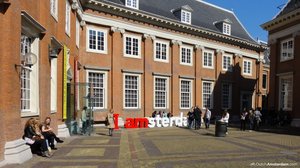 Historické muzeum v Amsterdamu |
Amsterdam | 4 | Mallorca, Dorpsstraat in the Sun, Still Life |
 Stedelijk Museum |
Alkmaar | 2 | Harbor in Mallorca, A Farm in Bergen |
Kariéra umělce Samuel Schwarz na této stránce trvá 14 let, od 1912 do 1925: každý rok je zde zastoupen svými nejznámějšími originály.
Vyberte rok a prohlédněte si originály.


Harbor in Mallorca (1914), Stedelijk Museum, Alkmaar. Následují A Farm in Bergen (1916) a Mallorca (1914).
38 let: dílo Harbor in Mallorca pochází z roku 1914 a Samuel Schwarz se narodil/a v roce 1876.
Náš katalog obsahuje 15 děl umělce Samuel Schwarz z let 1912 až 1925.
Většinou v Historické muzeum v Amsterdamu (Amsterdam) a Stedelijk Museum (Alkmaar). V tabulce muzeí výše jsou vypsány všechny.
V období 1914: 2 z celkem 6 děl na této stránce vzniklo právě tehdy, z toho Harbor in Mallorca z nich.
Na této stránce je nejstarší dílo z Dorpsstraat in the Sun (1912) a nejnovější z Still Life on a Set Table (1925).
Mallorca, Dorpsstraat in the Sun a Still Life: muzeum Historické muzeum v Amsterdamu, Amsterdam má v obsluze 4 děl z této stránky.
Born in Zutphen, Netherlands, Samuel Leser Schwarz lived through a period of profound transformation in the European landscape. Known to many by the name Mommie Schwarz, he moved through the early twentieth century with a spirit that embraced the shifting boundaries of modern expression. His path was not one of quiet tradition, but rather an engagement with the bold, experimental currents of his era.
His existence spanned the turn of the century into the dark years of the 1940s, a time when the very foundations of society were being reshaped by conflict. As a painter and graphic artist, he sought to capture the essence of a changing world through the lens of new movements. His work reflects the tension between the seen and the felt.
In his studio, Schwarz found a way to communicate through the raw energy of the Avant-garde and Expressionism. He did not merely record scenes; he interpreted them. One might look at his oil on canvas works, such as Dorpsstraat in de zon from 1912, to see how he handled light and atmosphere. The brushstrokes carry a weight that speaks of the artist's internal response to the subject matter.
His technical approach allowed for a certain fluidity of thought. By working within the realms of both painting and graphic arts, he explored different textures and depths. This versatility helped him navigate the complex artistic dialogues of the early 1900s.
Though his life reached its end in Germany in 1942, the traces of his vision remain held within significant collections. His contributions to the visual record are found in places such as the Jewish Museum in the Netherlands, where pieces of his history are kept safe from the passage of time.
The importance of his work lies in its connection to the broader movements of his age. He remains a figure whose hand helped shape the experimental spirit of the early twentieth century, leaving behind works that continue to be studied for their unique perspective on the world around him.
