Portrét Samuel Laurence

Obrazy autora Samuel Laurence: 20 nejznámějších díel podle pohledu galerie

Aktualizováno listopad 2026 · seřazeno podle našeho skóre popularity (vyhledávání, návštěvy a objednávky u každého díla) · 20 děl umělce Samuel Laurence v našem katalogu

Stručně řečeno

Z pohledu galerie je nejslavnějším dílem Samuel Laurence obrazem Self portrait (1836), jehož originál je vystaven v The Ashmolean Museum of Art and Archaeology v obci Oxford. Sir Henry Taylor (1800–1886) (1835) a Joshua Stranger of Keswick (1834) doplňují trio, které každé oko okamžitě pozná. Z 20 děl umělce Samuel Laurence v našem katalogu představuje galerie níže 20 nejznámějších děl, z nichž každé je originálem s uvedením roku vzniku, muzea a toho, co jej činí jedinečným.

1812 – 1884, Guildford Nejvíce děl: National Portrait Gallery

Top 10 obrazů umělce Samuel Laurence v naší galerii

1
Self portrait (1836) od Samuel Laurence

Self portrait

1836 · Oil On Canvas · The Ashmolean Museum of Art and Archaeology, Oxford

This oil on canvas work is titled Self portrait and was executed by the artist Samuel Laurence. The painting was created in 1836. It depicts the artist himself, presenting a likeness of the man who would become a prominent figure in Victorian portraiture. The work is currently held in the collection of The Ashmolean Museum of Art and Archaeology in Oxford, United Kingdom.

2
Sir Henry Taylor (1800–1886) (1835) od Samuel Laurence

Sir Henry Taylor (1800–1886)

1835 · Oil · Balliol College, Oxford

In the quiet, hallowed halls of Balliol College, there exists a portrait that does far more than merely record a face; it captures the very soul of an era. Samuel Laurence’s 1835 masterpiece, Sir Henry Taylor, serves as a profound meditation on character and social responsibility. To gaze upon this work is to step back into the mid-19th century, encountering a man whose intellectual weight is palpable through the artist's…

Obrazy autora Samuel Laurence, seřazeny od 11 do 20

Motivy, které zaujaly Samuel Laurence

Čtyři témata, která se v těchto originálech nejčastěji objevují, z nichž každé má svůj nejlepší příklad.

Muzea, v nichž jsou vystavena originálna umělce Samuel Laurence

6 muzea, v nichž je umístěno nejvíce obrazů z této stránky.

Muzeum Město Díla autora Samuel Laurence Obrazy z tohoto seznamu
National Portrait Gallery, LondýnNational Portrait Gallery Londýn 9 James Henry Leigh Hunt, Sir (Jonathan) Frederick Pollock, 1st Bt, Sir Thomas Bourchier
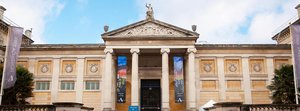
The Ashmolean Museum of Art and Archaeology, OxfordThe Ashmolean Museum of Art and Archaeology Oxford 1 Self portrait
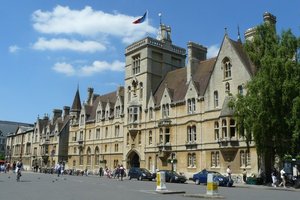
Balliol College, OxfordBalliol College Oxford 1 Sir Henry Taylor (1800–1886)
National Maritime Museum, LondýnNational Maritime Museum Londýn 1 George Green (1767–1849)
Guildford House Gallery, GuildfordGuildford House Gallery Guildford 1 The Fletcher Children
Girton College, CambridgeGirton College Cambridge 1 Barbara Leigh Smith Bodichon

Samuel Laurence, jeden ikonický obraz na každé desetiletí

Díla podle dekád

Vyberte si dekádu a prohlédněte si originál, který ji definuje.

Obrazy umělce Samuel Laurence: odpovědi galerie

Který obraz autora Samuel Laurence je nejslavnější ze všech?Odhalit odpověď

Self portrait (1836), The Ashmolean Museum of Art and Archaeology, Oxford. Následují Sir Henry Taylor (1800–1886) (1835) a Joshua Stranger of Keswick (1834).

Kolik let bylo Samuel Laurence, když dokončil/a Self portrait?Odhalit odpověď

24 let: dílo Self portrait pochází z roku 1836 a Samuel Laurence se narodil/a v roce 1812.

Kterých 10 nejlepších obrazů má Samuel Laurence?Odhalit odpověď

Self portrait, Sir Henry Taylor (1800–1886), Joshua Stranger of Keswick, James Henry Leigh Hunt, Kate Southey (b.1810), Alfred (1809–1892), Lord Tennyson, George Green (1767–1849), William Whewell (1794–1866), Master (1841–1866), Writer on the History and Philosophy of Science, Sir (Jonathan) Frederick Pollock, 1st Bt a Sir Thomas Bourchier. Hodnocení výše uvádí rok a muzeum pro každé z nich.

Kolik děl vytvořil/a Samuel Laurence?Odhalit odpověď

Náš katalog obsahuje 20 děl umělce Samuel Laurence z let 1834 až 1871.

Kde jsou vystavena nejznámější originály umělce Samuel Laurence?Odhalit odpověď

Většinou v National Portrait Gallery (Londýn), The Ashmolean Museum of Art and Archaeology (Oxford) a Balliol College (Oxford). V tabulce muzeí výše jsou vypsány všechny.

Kdy Samuel Laurence vytvořil své nejslavnější obrazy?Odhalit odpověď

V období 1840s: 7 z celkem 20 děl na této stránce vzniklo právě tehdy, z toho Kate Southey (b.1810) z nich.

Která jsou nejstarší a nejnovější slavná díla umělce Samuel Laurence?Odhalit odpověď

Na této stránce je nejstarší dílo z Joshua Stranger of Keswick (1834) a nejnovější z (John) Frederick Denison Maurice (1871).

Kterým tématům se Samuel Laurence věnoval(a) nejčastěji?Odhalit odpověď

Victorian era (5), Portraiture (3) a British art (2) napříč 20 díly na této stránce.

Jaká originální díla Samuel Laurence má v obsluze National Portrait Gallery?Odhalit odpověď

James Henry Leigh Hunt, Sir (Jonathan) Frederick Pollock, 1st Bt a Sir Thomas Bourchier: muzeum National Portrait Gallery, Londýn má v obsluze 9 děl z této stránky.

Samuel Laurence: umělec

Early Life and Artistic Promise

Samuel Laurence, born in Guildford, Surrey, in 1812, emerged as a significant figure in Victorian portraiture, an era defined by its fascination with personality and social standing. From his earliest years, a profound inclination towards art was evident, foreshadowing a career dedicated to capturing the likenesses of Britain’s most prominent individuals. His initial forays into the art world began with exhibitions at the Society of British Artists in 1834, laying the groundwork for wider recognition. The pivotal year of 1836 marked a turning point when Laurence presented three portraits – notably including one of the esteemed Mrs. Somerville – at the Royal Academy exhibition. This acceptance into the prestigious academy signaled his arrival as an artist to watch, a testament to his burgeoning talent and skill. It was a crucial step for any aspiring painter in 19th-century Britain, opening doors to patronage and critical acclaim.

A Portraitist of Victorian Society

Laurence’s career blossomed as he became the sought-after portraitist of leading figures in British society, literature, and science. He consistently exhibited at both the Society of British Artists and the Royal Academy, building a reputation for his ability to convey not just physical resemblance but also a sense of character and intellect. His canvases featured an impressive array of influential individuals: the Right Hon. Thomas Erskine, captured in 1838; the brooding intensity of Thomas Carlyle in 1841; Sir Frederick Pollock, portrayed both in 1842 and again in 1847, revealing a consistency of style and observation. Beyond these prominent figures, Laurence’s portfolio included portraits of Charles Babbage, Dr. William Whewell, James Spedding, the Rev. William Hepworth Thompson, Robert Browning, Sir Thomas Watson, and the Rev. Frederick Denison Maurice – a veritable who's who of Victorian intellectual life. His skill extended beyond oil on canvas; he also produced numerous crayon drawings, offering a more intimate and immediate impression of his subjects, including notable likenesses of Charles Dickens ('Sketch of Boz'), John Hullah, Professor Adam Sedgwick, George Grote, and Lord Ashburton. These works demonstrate Laurence’s versatility and adaptability to different mediums, solidifying his position as a master portraitist.

Influences and Artistic Development

Laurence's artistic journey was profoundly shaped by his travels and dedicated study of the Old Masters. During his early married life, he embarked on journeys to Florence and Venice, immersing himself in the rich artistic heritage of Italy. He meticulously examined the techniques employed by Renaissance masters, seeking to unlock the secrets behind their enduring success. This period of intensive study instilled in him a deep appreciation for classical principles of composition, light, and shadow, which would later become hallmarks of his own style. A subsequent visit to the United States in 1854 further broadened his artistic horizons. While residing at Longfellow’s home in Massachusetts, he created a portrait of James Russell Lowell, a work that was subsequently engraved, demonstrating his ability to adapt his skills to different cultural contexts and subjects. This transatlantic experience enriched his perspective and contributed to the unique quality of his portraits.

Legacy and Enduring Significance

Samuel Laurence’s legacy rests upon an extensive body of portraiture that provides invaluable visual records of prominent Victorian figures, offering a glimpse into the personalities and intellectual currents of the era. His portraits of Leigh Hunt, Thomas Carlyle, Harriet Lady Ashburton, Frederick Denison Maurice, Mrs. Gaskell, Archbishop Trench, and William Edward Forster are particularly celebrated and have been widely disseminated through engravings, ensuring their continued accessibility to future generations. Several of his works now reside in prestigious institutions such as the National Portrait Gallery, Trinity College, Cambridge, and the Reform Club in London, testament to their artistic merit and historical importance. Laurence’s ability to capture not only physical likeness but also a sense of inner character – the very essence of his subjects – contributed significantly to his enduring recognition as one of the leading portrait painters of his time. He passed away on February 28, 1884, leaving behind a rich artistic heritage that continues to be appreciated for its skill, sensitivity, and historical value. His portraits remain vital windows into the Victorian age.