Rueland Frueauf the Younger: A Salzburg Painter's Legacy
Rueland Frueauf the Younger (c. 1470 – after 1545) stands as a pivotal figure in the artistic landscape of late medieval Bavaria, largely overshadowed by his father’s renown but nonetheless contributing significantly to the burgeoning Renaissance aesthetic within the region. Born in Salzburg around 1470, Frueauf's life was inextricably linked with the spiritual and cultural currents shaping Austria at the time – a period marked by fervent piety and an increasing fascination with classical ideals.
His artistic training began under his father’s tutelage, Rueland Frueauf the Elder, who himself was a celebrated painter known for his monumental frescoes adorning Salzburg Cathedral. This formative influence instilled in Frueauf a deep understanding of Gothic techniques and iconography, particularly evident in his early works—primarily altar panels depicting scenes from biblical narratives.
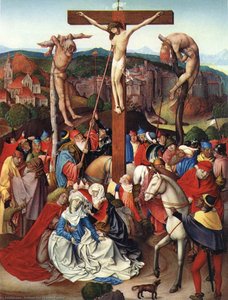
Among Frueauf’s most notable achievements is the St Anne altarpiece commissioned for Klosterneuburg Monastery (1508), now housed in the Kunsthistorisches Museum Vienna. This masterpiece exemplifies Frueauf's mastery of color and composition, showcasing a refined sensitivity to naturalism that distinguishes him from many of his contemporaries. The painting’s serene depiction of Mary holding the Virgin Child reflects the humanist spirit gaining traction across Europe during this era.
Furthermore, Frueauf’s involvement in the Salzburg Cathedral project solidified his position as one of Salzburg's foremost artists. His contribution to this ambitious undertaking—a collaborative effort with Michael Pacher—demonstrates not only his technical skill but also his engagement with broader artistic debates concerning stylistic innovation and religious expression.
Though biographical details surrounding Frueauf’s life remain sparse, scholarly research suggests he continued to practice painting until his death around 1545 in Passau. His legacy resides primarily in his enduring artworks—particularly the St Anne altarpiece—which serve as tangible reminders of Salzburg's artistic heritage during the transition from Gothic to Renaissance.
- Early Training: Influenced by his father’s masterful frescoes, Frueauf honed his skills in Gothic painting techniques.
- Notable Work: The St Anne altarpiece (1508) exemplifies Frueauf's artistic vision and demonstrates a sophisticated understanding of humanist aesthetics.
- Collaborative Project: Participation in the Salzburg Cathedral project showcased Frueauf’s commitment to artistic innovation and religious symbolism.
Rueland Frueauf the Younger’s contribution to Bavarian art history is significant, representing a crucial step toward embracing Renaissance ideals while retaining the spiritual depth of Gothic tradition. His enduring St Anne altarpiece continues to captivate viewers today as a testament to his artistic genius and Salzburg's vibrant cultural past.