


1


Aktualizováno listopad 2026 · seřazeno podle našeho skóre popularity (vyhledávání, návštěvy a objednávky u každého díla) · 59 děl umělce Robert Gwathmey v našem katalogu
Stručně řečeno
The Farmer Wanted a Boy (1942) je obraz autora Robert Gwathmey, který přitahuje nejvíce pohledů; originál se nachází v Art Institute of Chicago, Chicago. Poté se zrak přesouvá k Portrait of a Farmer's Wife (1951) a Parade (1951). Z 59 děl umělce Robert Gwathmey v našem katalogu je těchto 56 těch nejznámějších; každé z nich je unikátním originálem s uvedením roku vzniku, muzea a důvodu jeho nesmrtelnosti.


The Parade painting by Robert Gwathmey is a remarkable piece of art that showcases the artist's unique style and technique. Created in 1951, this watercolour painting measures 53 x 36 cm and is currently housed at the Smithsonian American Art Museum in the United States. Artist Background Robert Gwathmey was an American artist known for his bold and expressive works of art. Born in 1903, he was a prominent figure…


 Untitled (853)
12
 Untitled (574)
13
 Untitled (791)
14
 Untitled (219)
15
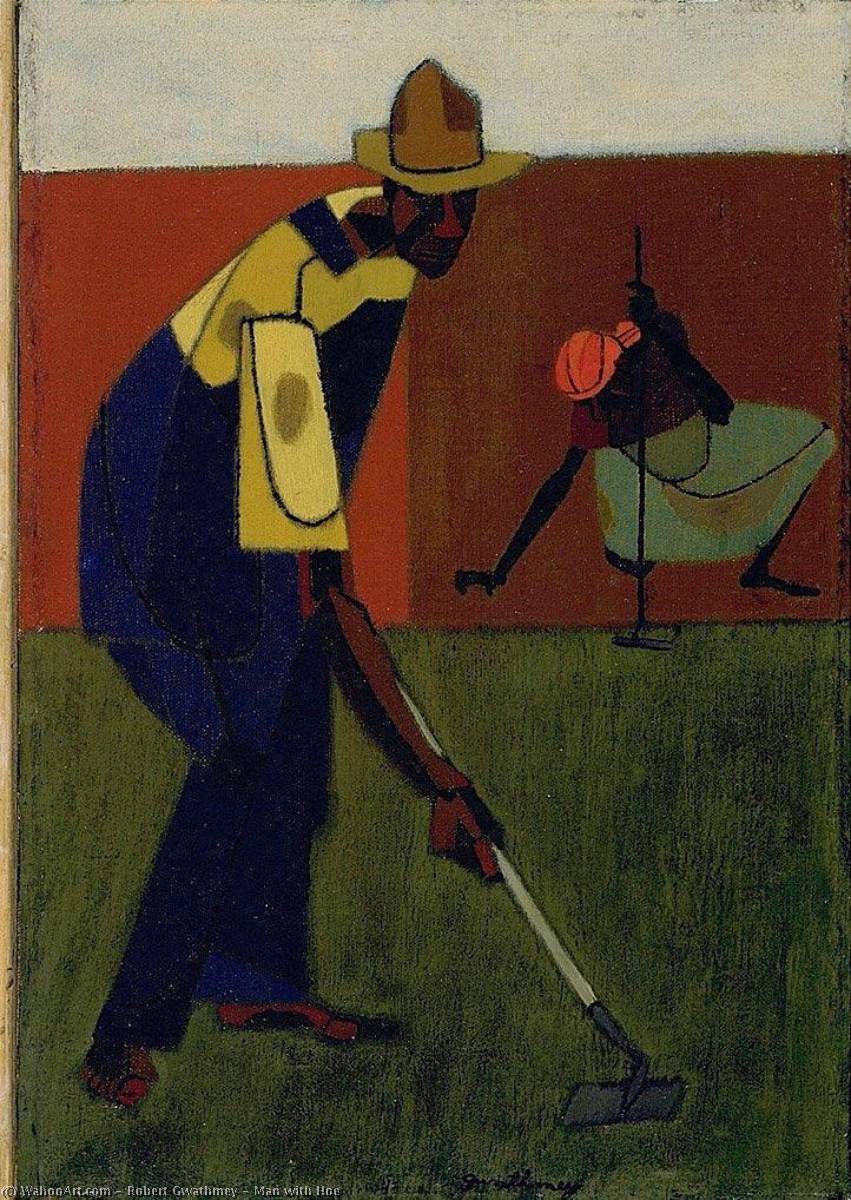
 Man with Hoe1944
16
 Singing and Mending1944
17
 Front Porch1947
18
 Poll Tax Country1945
19
 Sharecroppers and Blackberry Pickers1950
20
 Carrying the Sack1950
21
 Asleep at the Table1945 · Ogden Museum of Southern Art
22
 Untitled (813)
23
 Untitled (585)
24
 Untitled (196)
25
 Untitled (106)
26
 Untitled (721)
27
 Untitled (226)
28
 Untitled (193)
29
 Untitled (805)
30
 Untitled (561)
31
 Untitled (348)
32
 Untitled (491)
33
 Untitled (360)
34
 Untitled (416)
35
 Untitled (558)
36
 Untitled (285)
37
 Untitled (857)
38
 Untitled (207)
39
 Untitled (788)
40
 Untitled (724)
41
 Untitled (668)
42
 Untitled (655)
43
 Untitled (626)
44
 Untitled (735)
45
 Untitled (909)
46
 Untitled (968)
47
 Untitled (878)
48
 Untitled (106)
49
 Untitled (958)
50
 Untitled (857)
51
 Untitled (430)
52
 Untitled (750)
53
 Untitled (183)
54
 Untitled (229)
55
 Untitled (565)
56
 Going Home
2 muzea, v nichž je umístěno nejvíce obrazů z této stránky.
| Muzeum | Město | Díla autora Robert Gwathmey | Obrazy z tohoto seznamu |
|---|---|---|---|
 Art Institute of Chicago |
Chicago | 1 | The Farmer Wanted a Boy |
 Ogden Museum of Southern Art |
New Orleans | 1 | Asleep at the Table |
Originální díla s datováním Robert Gwathmey, která jsou zde zobrazena, pokrývají období zhruba deseti let, od 1942 do 1951: oko je sleduje rok po roce.
Vyberte rok a prohlédněte si originály.


The Farmer Wanted a Boy (1942), Art Institute of Chicago, Chicago. Následují Portrait of a Farmer's Wife (1951) a Parade (1951).
39 let: dílo The Farmer Wanted a Boy pochází z roku 1942 a Robert Gwathmey se narodil/a v roce 1903.
The Farmer Wanted a Boy, Portrait of a Farmer's Wife, Parade, Untitled (504), Untitled (978), Untitled (811), Untitled (540), Untitled (830), Untitled (598) a Untitled (389). Hodnocení výše uvádí rok a muzeum pro každé z nich.
Náš katalog obsahuje 59 děl umělce Robert Gwathmey z let 1942 až 1951.
Většinou v Art Institute of Chicago (Chicago) a Ogden Museum of Southern Art (New Orleans). V tabulce muzeí výše jsou vypsány všechny.
V období 1944: 2 z celkem 56 děl na této stránce vzniklo právě tehdy, z toho Man with Hoe z nich.
Na této stránce je nejstarší dílo z The Farmer Wanted a Boy (1942) a nejnovější z Portrait of a Farmer's Wife (1951).
Social realism, podle originálů na této stránce.