


1


Aktualizováno listopad 2026 · seřazeno podle našeho skóre popularity (vyhledávání, návštěvy a objednávky u každého díla) · 101 děl umělce Richard Schmid v našem katalogu
Stručně řečeno
Z všech originálů, které Richard Schmid zanechal, je nejslavnější Zorro. Hned za ním následují Untitled (Pamela Reading) a Untitled (Figure in a Blue Cloak). Náš katalog obsahuje 101 děl umělce Richard Schmid; galerie si zachovala 100 děl, která obdivuje celý svět, přičemž každé je znázorněno s datem vzniku, názevem muzea a jeho příběhem.


 Rose & Nancy At The Met
12
 Robin and The Cat
13
 Robin & Whippet
14
 Ragazzo
15
 Portrait of Young Woman
16
 Portrait of Artists Daughter - Gretchen (titled on verso)
17
 Portrait of a Ballerina
18
 Painting of a Harlequin
19
 Nude
20
 NUDE, 1969
21
 Nude 1963
22
 Nude (Helga)
23
 Nancy Sewing
24
 Nancy Painting
25
 Molly's Dolls
26
 Michelle
27
 Meredith
28
 Listening to Music
29
 Lisa
30
 July Afternoon
31
 Judy
32
 Jan in the Morning
33
 Jan & Bettina
34
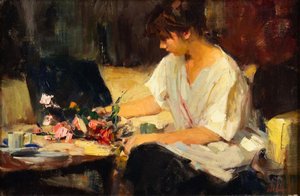 Jacque's Roses
35
 Indian Market
36
 Horsemen
37
 Gretchen Reading
38
 Fourth Month
39
 Felice
40
 Danbury Fair
41
 Bettina
42
 Belly Dancer
43
 Ballerina
44
 Yellow Roses
45
 Yellow Rose (of Texas)
46
 Winter Landscape
47
 White Goose
48
 White Begonias From Nancy
49
 Water Lilies
50
 View from my Studio
51
 Victorian Twilight
52
 Valdez Farmhouse
53
 Untitled (Chicago Street Scene)
54
 Three Flowers
55
 The Nude, 1991
56
 The Breakers
57
 Telluride
58
 Tebbits House
59
 Stillriver Farmhouse
60
 Standing Nude
61Standing Nude - The Yellow RibbonZorn Collections
62
 Spring Morning
63
 Snow Maples
64
 Skagway Victorian
65
 Roses of Light
66
 Rhododendrons
67
 Rhododendron Sketch
68
 Reclining Nude
69
 Ranchos Church
70
 Peonies
71
 Peaches & Plums
72
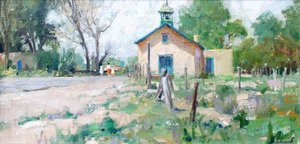 Our Lady of Sorrow Church
73
 Orchard
74
 Oranges and Limes and Nectarines and Pears
75
 Oil on Board
76
 NW Corner of 8th & Broadway, Greenwich Village, NY
77
 New Year's Eve
78
 Millpond Falls
79
 Landscape with Clearing
80
 Iron Fence
81
 Impressionist New York City Skyline View from the Water
82
 Houseplants
83
 Hidden Treasures
84
 Gladiolas
85
 Gaylordsville in February
86
 Floral Still Life
87
 Floral Painting
88
 Dunguaire Castle, Galway, Ireland
89
 DIANA'S MAPLE
90
 Connecticut - November
91
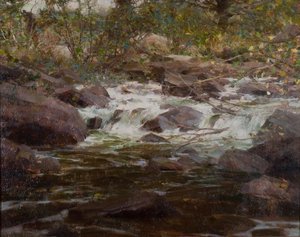 Cache la Pudre — Rocky Mountain Stream
92
 Bustling City Sidewalk
93
 Brattleboro Winter
94
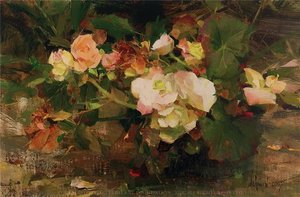 Begonias
95
 Autumn Scene, Children Coming Home from School
96
 Autumn Field
97
 Apples and Oranges
98
 African Violets and Yellow Roses
99
 Abstract Street Scene Painting
100
 12th Street Wharf
Muzeum s největším počtem obrazů na této stránce.
| Muzeum | Město | Díla autora Richard Schmid | Obrazy z tohoto seznamu |
|---|---|---|---|
 Zorn Collections |
Mora | 1 | Standing Nude - The Yellow Ribbon |
Zorro. Následují Untitled (Pamela Reading) a Untitled (Figure in a Blue Cloak).
Zorro, Untitled (Pamela Reading), Untitled (Figure in a Blue Cloak), Untitled (Female Nude), Three Sisters, The Reading Light, Susan, Sunday Afternoon, Sleeping Woman a Seated Nude, 1976. Hodnocení výše uvádí rok a muzeum pro každé z nich.
Náš katalog obsahuje 101 děl od Richard Schmid.
Většinou v Zorn Collections (Mora). V tabulce muzeí výše jsou vypsány všechny.
In the vast pantheon of American realism, few names resonate with as much reverence and technical authority as Richard Schmid. Born in Chicago in 1934, Schmid was a painter who did not merely observe the world but sought to capture its very soul through the meticulous application of light, color, and form. His journey into the heart of classical technique began remarkably early; by the age of twelve, he was already immersed in the foundational studies of landscape, anatomy, and figure drawing. This precocious start laid the groundwork for a lifetime dedicated to the pursuit of excellence, eventually leading him to refine his craft under the tutelage of William H. Mosby at the prestigious American Academy of Art.
Schmid’s artistry was characterized by an extraordinary ability to breathe life into the canvas, a skill that earned him international acclaim and a place among the masters of his era. His approach was deeply rooted in the tradition of alla prima painting—a method of completing a work in one sitting or in a single layer of wet paint. This technique required not only immense technical precision but also a profound intuitive understanding of how light interacts with surfaces. Through his brush, the ephemeral qualities of a landscape or the subtle nuances of a human portrait became permanent, tangible realities. His mastery was so profound that he became a celebrated educator, sharing his secrets through his seminal book, Alla Prima, Everything I Know about Painting, which remains a cornerstone of art instruction for aspiring realists worldwide.
The career of Richard Schmid was marked by a series of prestigious honors that mirrored the growing impact of his work on the global art stage. His ability to command attention was evident early on, notably through the 1964 film The Secret Squint, which brought his process to a wider audience. As his reputation solidified, so did the accolades from the most esteemed institutions in the art world. He was a recipient of the John Singer Sargent Medal for Lifetime Achievement from the American Society of Portrait Artists and received the gold-medal award from The Portrait Society of America. His contributions were recognized not just by peers but by the highest levels of society; his monumental painting of Abbotsford House was even presented to Queen Elizabeth II during a ceremony in 2012.
Beyond individual accolades, Schmid’s historical significance lies in his role as a guardian of classical traditions during an era of rapid artistic experimentation. His work has been preserved in the permanent collections of the Smithsonian Institution and various major museums, ensuring that his vision of realism continues to inspire future generations. His life was a testament to the power of disciplined observation and the enduring beauty of the natural world. Even as he resided in the quiet landscapes of New Hampshire with his wife, the artist Nancy Guzik, his influence radiated outward, leaving an indelible mark on the landscape of American fine art through more than fifty solo exhibitions and a legacy of instructional excellence that continues to shape the hands of painters today.