Portrét René Lalique

24 nejslavnějších obrazů autora René Lalique, každý naprosto unikátní

Aktualizováno listopad 2026 · seřazeno podle našeho skóre popularity (vyhledávání, návštěvy a objednávky u každého díla) · 36 děl umělce René Lalique v našem katalogu

Stručně řečeno

Kokardová ozdoba „Ženské váhavky“ (1897) je obraz autora René Lalique, který přitahuje nejvíce pohledů; originál se nachází v Calouste Gulbenkian Foundation, Lisabon. Poté se zrak přesouvá k Chalice with vine motifs and figures (1901) a Pendant with chain (1900). Z 36 děl umělce René Lalique v našem katalogu je těchto 24 těch nejznámějších; každé z nich je unikátním originálem s uvedením roku vzniku, muzea a důvodu jeho nesmrtelnosti.

1860 – 1945, Ay Art nouveau Nejvíce děl: Reading Public Museum

Top 10 obrazů autora René Lalique podle výběru galerie

1
Kokardová ozdoba „Ženské váhavky“ (1897) od René Lalique

Kokardová ozdoba „Ženské váhavky“

1897 · Ostatní · Calouste Gulbenkian Foundation, Lisabon

Kokardová ozdoba „Ženské váhavky“ od René Lalique není pouze šperkem; je to ztělesnění základních principů hnutí Art Nouveau – harmonickým spojením přírody, fantazie a precizního řemesla. Tato extraordinární připínací šperk, vytvořený kolem let 1897–1898, přesahuje své materiální složení a stává se mocným symbolem duality, krásy a lákavé síly transformace. Lalique, hluboce ovlivněný vzpomínkami na své dětství na francouzském venkově a inspirovaný japonským naturalismem, se snažil zachytit v rámci svých děl…

2
Chalice with vine motifs and figures (1901) od René Lalique

Chalice with vine motifs and figures

1901 · Glass · Calouste Gulbenkian Foundation, Lisabon

In the delicate interplay of light and shadow captured within René Lalique's Chalice with vine motifs and figures, one finds the very heartbeat of the Art Nouveau movement. Created in 1901, this masterpiece is far more than a mere vessel; it is a poetic dialogue between the organic world and human craftsmanship. As a titan of decorative arts, Lalique possessed the rare ability to breathe life into inanimate materials, transforming…

3
Pendant with chain (1900) od René Lalique

Pendant with chain

1900 · Acrylic On Canvas · Iparművészeti Múzeum, Budapešť

A Symphony in Glass and Gold: Exploring René Lalique’s “Pendant with Chain” The artwork "Pendant with Chain" by René Jules Lalique, crafted around 1905, stands as a quintessential emblem of Art Nouveau jewelry—a testament to the movement's fascination with organic forms, delicate craftsmanship, and opulent embellishment. More than just an adornment, it embodies a profound artistic vision rooted in Parisian culture and inspired by the celebrated dancer Loie Fuller’s mesmerizing…

4
Inkpot Mirabeau (1927) od René Lalique

Inkpot Mirabeau

1927 · Glasswork / Stained Glass · Národní muzeum Peleș, Snagov

To gaze upon René Jules Lalique’s Inkpot Mirabeau is to encounter a moment suspended in crystalline time—a delicate dialogue between utility and pure artistry. This exquisite glass sculpture, dating from 1927, transcends the mere function of an inkwell; it stands as a testament to human ingenuity channeled through the ethereal medium of blown and carved glass. The piece immediately captivates with its vertical ascent, a carefully orchestrated stacking of forms…

5
‘Female Figure’ neck collar (1900) od René Lalique

‘Female Figure’ neck collar

1900 · Mixed Media · Calouste Gulbenkian Foundation, Lisabon

René Jules Lalique's “Female Figure” neck collar, a masterpiece crafted in 1900, is more than simply a jewel; it’s a crystallized dream of the Art Nouveau era. This exquisite piece, measuring 53 x 9 cm, embodies Lalique’s singular vision – a harmonious blend of nature, craftsmanship, and luxurious materials that would forever elevate the status of jewelry as an art form. The collar itself is constructed from meticulously chiseled gold,…

6
‘Snake’ Sugar Bowl (1900) od René Lalique

‘Snake’ Sugar Bowl

1900 · Metalwork · Calouste Gulbenkian Foundation, Lisabon

In the pantheon of Art Nouveau mastery, few objects capture the visceral tension between organic grace and structural innovation quite like René Jules Lalique’s ‘Snake’ Sugar Bowl. Created around 1900, this extraordinary piece serves as a breathtaking testament to an era when the boundaries between fine jewelry and decorative arts were beautifully blurred. At first glance, the viewer is ensnared by the sinuous, interlocking forms of patinated cast silver snakes…

7
St. Albert Vase (1925) od René Lalique

St. Albert Vase

1925 · Glasswork / Stained Glass · Reading Public Museum, Reading

The St. Albert Vase, a masterpiece crafted in 1925 by the visionary French glassmaker René Jules Lalique, transcends mere decorative object; it’s a shimmering embodiment of Art Nouveau's embrace of nature and a testament to Lalique’s unparalleled skill in manipulating light and form. This exquisite vase, presented against a stark white backdrop, immediately captivates with its translucent beauty and the delicate suggestion of movement within its sculpted handles. The image…

8
Pendant (1900) od René Lalique

Pendant

1900 · Šperky · Iparművészeti Múzeum, Budapešť

A Whisper of Elegance: Exploring René Lalique’s ‘Pendant’ The pendant by René Jules Lalique, crafted around 1900, transcends mere jewelry—it embodies the very spirit of Art Nouveau. More than just a decorative object, it's a miniature landscape captured in gold and enamel, reflecting Lalique’s profound fascination with nature and his masterful manipulation of materials to evoke emotion. This exquisite piece resides within the collections of esteemed institutions like The Metropolitan…

9
‘Cockerel’ diadem (1893) od René Lalique

‘Cockerel’ diadem

1893 · Enamel · Calouste Gulbenkian Foundation, Lisabon

René Lalique's 'Cockerel' diadem, crafted in 1893, isn’t merely a piece of jewelry; it’s a miniature sculpture, a testament to the exuberance and naturalistic beauty that defined Art Nouveau. This exquisite brooch, presented against a stark black backdrop, immediately commands attention with its audacious subject matter – a free-standing cockerel's head rendered in shimmering gold, horn, and meticulously applied enamel. It’s a bold departure from the prevailing Victorian sensibilities, embracing…

10
Bowl “Cockerel Heads” (1900) od René Lalique

Bowl “Cockerel Heads”

1900 · Other-None · MAK – Muzeum aplikované umělecké tvorby, Vídeň

The world of Art Nouveau is often associated with flowing lines, delicate floral motifs, and an almost ethereal quality—and few artists embodied this aesthetic more completely than René Jules Lalique. His workshop, nestled in the heart of Paris, was a crucible of innovation, where traditional goldsmithing techniques were reimagined through the incorporation of organic materials like horn, ivory, and even meticulously crafted glass. Among his most captivating creations stands “Bowl…

Slavná díla umělce René Lalique, čísla 11 až 24

Slavná díla René Lalique podle jednotlivých období

Motivy, které zaujaly René Lalique

Čtyři témata, která se v těchto originálech nejčastěji objevují, z nichž každé má svůj nejlepší příklad.

Muzea, v nichž jsou vystavena originálna umělce René Lalique

5 muzea, v nichž je umístěno nejvíce obrazů z této stránky.

Muzeum Město Díla autora René Lalique Obrazy z tohoto seznamu
Reading Public Museum, ReadingReading Public Museum Reading 11 St. Albert Vase, Druidský váza, Čardonská váza
Calouste Gulbenkian Foundation, LisabonCalouste Gulbenkian Foundation Lisabon 21 Kokardová ozdoba „Ženské váhavky“, Chalice with vine motifs and figures, ‘Female Figure’ neck collar
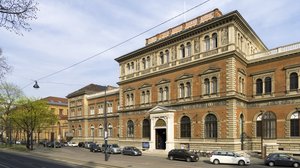
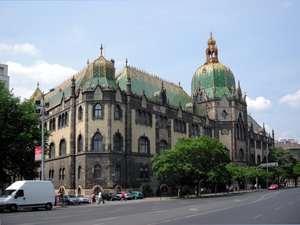
Iparművészeti Múzeum, BudapešťIparművészeti Múzeum Budapešť 2 Pendant with chain, Pendant
Národní muzeum Peleș, SnagovNárodní muzeum Peleș Snagov 1 Inkpot Mirabeau
MAK – Muzeum aplikované umělecké tvorby, VídeňMAK – Muzeum aplikované umělecké tvorby Vídeň 1 Bowl “Cockerel Heads”

René Lalique napříč desetiletími: jeden unikátní originál pro každou dekádu

Díla podle dekád

Vyberte si dekádu a prohlédněte si originál, který ji definuje.

Obrazy umělce René Lalique: dotazy pro galerii

Kterým nejznámějším dílem je René Lalique?Odhalit odpověď

Kokardová ozdoba „Ženské váhavky“ (1897), Calouste Gulbenkian Foundation, Lisabon. Následují Chalice with vine motifs and figures (1901) a Pendant with chain (1900).

V jakém věku vytvořil(a) René Lalique dílo Kokardová ozdoba „Ženské váhavky“?Odhalit odpověď

37 let: dílo Kokardová ozdoba „Ženské váhavky“ pochází z roku 1897 a René Lalique se narodil/a v roce 1860.

Kterých deset obrazů autora René Lalique je nejznámějších?Odhalit odpověď

Kokardová ozdoba „Ženské váhavky“, Chalice with vine motifs and figures, Pendant with chain, Inkpot Mirabeau, ‘Female Figure’ neck collar, ‘Snake’ Sugar Bowl, St. Albert Vase, Pendant, ‘Cockerel’ diadem a Bowl “Cockerel Heads”. Hodnocení výše uvádí rok a muzeum pro každé z nich.

Kolik známých děl má autor René Lalique?Odhalit odpověď

Náš katalog obsahuje 36 děl umělce René Lalique z let 1893 až 1928.

Kde lze vidět nejznámější originály umělce René Lalique?Odhalit odpověď

Většinou v Reading Public Museum (Reading), Calouste Gulbenkian Foundation (Lisabon) a Iparművészeti Múzeum (Budapešť). V tabulce muzeí výše jsou vypsány všechny.

V jakém období vytvořil(a) René Lalique svá nejznámější obrazy?Odhalit odpověď

V období 1920s: 9 z celkem 24 děl na této stránce vzniklo právě tehdy, z toho Inkpot Mirabeau z nich.

Který slavný obraz od René Lalique je nejstarší a který nejnovější?Odhalit odpověď

Na této stránce je nejstarší dílo z ‘Cockerel’ diadem (1893) a nejnovější z St. Christopher (sujet religieux) (1928).

Jakým tématům se René Lalique věnoval/a nejčastěji?Odhalit odpověď

Floral design (6), Organic forms (4) a Luxury design (3) napříč 24 díly na této stránce.

Jaké materiály používal(a) René Lalique nejčastěji?Odhalit odpověď

Glasswork / Stained Glass, u 5 z 24 děl na této stránce.

K kterému směru patří dílo umělce René Lalique?Odhalit odpověď

Art nouveau, podle originálů na této stránce.

Jaká originální díla René Lalique mohu vidět v Reading Public Museum?Odhalit odpověď

St. Albert Vase, Druidský váza a Čardonská váza: muzeum Reading Public Museum, Reading má v obsluze 11 děl z této stránky.

René Lalique: portrét umělce

A Life Forged in Beauty: The World of René Lalique

René Jules Lalique, a name synonymous with the ethereal beauty of Art Nouveau and the sleek elegance of Art Deco, was more than just a jeweller or glass designer—he was an innovator, a poet of materials, and a true artist who redefined luxury for his time. Born in Aÿ, France, on April 6th, 1860, Lalique’s journey began amidst the rolling hills of Champagne, a landscape that would forever imprint itself upon his artistic sensibility. Early summers spent with his maternal grandparents instilled within him a deep reverence for nature, a theme that would become utterly central to his creations. This idyllic upbringing was disrupted by a move to the Parisian suburbs, yet the memory of Aÿ remained potent, fueling his later naturalistic glasswork and imbuing it with an organic grace. The untimely death of his father propelled young René into apprenticeship with goldsmith Louis Aucoc, setting him on a path that would ultimately revolutionize both jewellery and glass artistry. He further honed his skills at the École des Arts Décoratifs in Paris and even ventured to London for studies at the Crystal Palace School of Art, absorbing diverse influences that shaped his unique aesthetic vision.
From Jewellery to Glass: A Revolutionary Aesthetic

Lalique’s early career blossomed as a freelance designer for prominent French jewelry houses like Cartier and Boucheron during the 1880s. However, it was in 1890, with the opening of his own boutique in Paris' Opéra district, that Lalique truly began to forge his distinctive style. He swiftly became known for rejecting the prevailing opulent aesthetic, favoring instead a more organic and imaginative approach. He wasn’t interested merely in showcasing precious stones; he sought to elevate materials often considered secondary – horn, ivory, enamel, and crucially, glass – to equal status with diamonds and rubies. This was revolutionary. His jewelry became miniature sculptures, teeming with life: dragonflies with iridescent wings crafted from *plique-à-jour* enamel, orchids rendered in delicate gold filigree, peacocks displaying their plumage in vibrant gemstones. These weren’t simply adornments; they were wearable works of art, imbued with a sense of movement and naturalism rarely seen before. His designs resonated deeply with the spirit of Art Nouveau, embracing flowing lines, organic forms, and a celebration of the feminine form. He quickly garnered a devoted clientele, including celebrated actress Sarah Bernhardt, who commissioned numerous pieces that reflected her own dramatic persona. The influence of Japanese art was also significant, particularly in his use of asymmetry and intricate detail.

The Allure of Glass: A New Artistic Horizon

While Lalique’s jewelry established his reputation, it was his exploration of glass that cemented his legacy. His collaboration with perfumer François Coty in 1907 proved pivotal. Coty commissioned Lalique to design bottles for his perfumes, recognizing the potential to elevate fragrance presentation beyond simple functionality. This partnership marked a turning point, leading Lalique to dedicate himself increasingly to glassmaking. He acquired the Verrerie d'Alsace in 1921, allowing him to experiment with mass production techniques while maintaining artistic control. This wasn’t about creating cheap imitations; it was about making beauty accessible. The Art Deco era saw Lalique’s glasswork reach new heights of sophistication. He moved away from the flowing curves of Art Nouveau towards more geometric forms and streamlined designs, reflecting the modern spirit of the age. Vases, bowls, chandeliers, and even automobile hood ornaments—each piece bore the hallmark of his exquisite craftsmanship and innovative techniques like *cire perdue* (lost-wax casting) and frosted glass finishes. His work became synonymous with luxury and elegance, adorning the homes of discerning collectors worldwide, including Calouste Sarkis Gulbenkian, who amassed an impressive collection of over 140 Lalique pieces. The use of color was a key element, often employing vibrant hues alongside subtle shades to create visually stunning effects.

Key Influences and Techniques

Lalique’s artistic vision drew inspiration from a wide range of sources. His deep connection to nature—particularly the flora and fauna of his childhood home in Aÿ—manifested itself in countless designs, from delicate dragonfly pendants to elaborate floral vases. He was also profoundly influenced by Japanese art, particularly its emphasis on asymmetry, intricate detail, and natural motifs. Furthermore, Lalique’s work reflected a fascination with the female form, often depicted in graceful and idealized poses. Technically, he mastered several innovative techniques, including *plique-à-jour* (through-glass enamel), which allowed light to pass through colored glass, creating ethereal effects; *cire perdue* (lost-wax casting), a method for producing highly detailed three-dimensional forms; and various methods of frosting and polishing glass to achieve different textures and finishes. His ability to seamlessly blend these techniques—along with his mastery of goldwork, enamel, and gemstone setting—made him a truly exceptional artist.

A Lasting Legacy: Family, Influence, and Remembrance

René Lalique’s influence extends far beyond his own creations. He not only transformed the fields of jewelry and glass but also inspired generations of artists and designers. His daughter, Suzanne Lalique, continued the family artistic tradition as a painter and set designer for the Comédie-Française. His granddaughter, Marie Claude-Lalique, carried on the legacy of glassmaking until her death in 2003. The Maison Lalique continues to thrive today, upholding the standards of quality and artistry established by its founder. René Lalique passed away in Paris on May 1st or 5th, 1945, and was laid to rest in Père Lachaise Cemetery, a fitting final resting place for an artist whose work embodies both beauty and enduring spirit. His creations can be found in prestigious museums around the world, including the Musée d'Orsay, serving as a testament to his profound impact on art history. René Lalique wasn’t simply creating objects; he was crafting dreams, capturing the ephemeral beauty of nature, and leaving an indelible mark on the aesthetic landscape of the 20th century. His work remains a powerful reminder that true artistry lies in the ability to transform ordinary materials into extraordinary expressions of human creativity.