Odkaz elegance: Život a umění Raimunda de Madraza
Raimundo de Madrazo y Garreta, narozený v Římě v roce 1841, vstoupil do světa již hluboce proniknutého uměleckou tradicí. Jeho rodokmen patřil k neprezentativnímu vznešenému šlechtění; jeho pradedeček, José de Madrazo, zastával vážnou funkci ředitele Muzea Prado, zatímco jeho otec, Federico de Madrazo, byl sám slavným portrétistou. Tento rodinný základ nebyl pouze otázkou dědictví – v mladém Raimundovi vštípil nejen technickou mistrovství, ale i pochopení moci a společenského postavení spojeného s uměckou tvorbou. Jeho nejranější vzdělávání probíhalo v intimním prostředí rodinných ateliérů, kde nasával principy klasické techniky od otce i pradědečka. Formální studia na Real Academia de Bellas Artes de San Fernando v Madridu pod vedením Carlose Luise de Ribery a Carlose de Haese jeho dovednosti dále zdokonalila a vystavila ho současným uměleckým proudům. Nicméně právě zásadná cesta do Paříže v roce 1860 skutečně změnila jeho osud. Studium u Léona Cognieta a navázání kontaktů v pařížském uměleckém světě definovalo jeho estetické smysly na celá desetiletí. Vliv Alfreda Stevense v tomto období se ukázal jako obzvláště významný, když jemně posunul jeho přístup směrem k vyváženější a dekorativnější citlivosti – odklon od přísného akademismu k postoji prosycenému grácií a svůdou.Realismus prosycený vytříbeností: Umělecký styl a vlivy
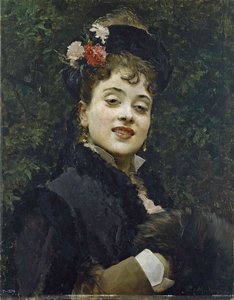
Madrazův umělevný styl je hluboce zakořeněn v realismu, přesto překračuje pouhou imitaci díky nádechům elegance a sofistikovanosti. Ačkoliv zůstával věrný přesné reprezentaci, jeho obrazy possessují jemnou grácií, která je odlišuje od strohých proudů tohoto směru. Tato vytříbenost se v čase vyvíjela a nenápadně do díla vnášela prvky připomínající rokoko – lásku k bohatým detailům a hravé kompozici – i japonský styl (*Japonisme*), tehdy rostoucí zájem Západu o japonské umění, zejména v jeho důrazu na plochou perspektivu a dekorativní vzory. Stal se proslulý svými portréty, ve kterých s neuvěřitelnou zručností zachycoval nejen fyzickou podobnost, ale i vnitřní podstatu svých subjektů. Vliv Maria Fortuny je patrný v Madrazových menších scénách typu *tableautin* – intimních pohledů do buržoazního života – a v jeho schopnosti vykreslit svět luxusních textur a jemných emocí. Akademická přísnost Cognieta, v kombinaci se Stevensovou dekorační vášní, vytvořila základ pro Madrazův jedinečný umělecký hlas. On neprováděl pouhý záznam reality; on vytvářel její idealizovanou vizi, která oslovovala vkus náročné klientely hledající v umění krásu a vznešenost. Tato schopnost spojit realismus s nádechem fantazie mu umožnovala vytvářet díla, která byla zároveň fascinující i vznešená.Portréty jedné éry: Hlavní díla a témata
Madrazovo dílo je naplněno poutavými portréty a žánrovými scénami, které nabízejí okno do společenského světa konce 19. století. Jeho Portrét otce malujícího stojí jako svědectví jak o synovské lásce, tak o uměleckých schopnostech; neukazuje pouze podobu, ale samotný akt tvorby – malíř zobrazující malíře, což představuje meta-komentář k uměleckému procesu. Díla jako Milé vzpomínky demonstrují jeho talent pro vyvolávání nostalgie a zachycování intimních okamžiků s dojmovou citlivostí. Nicméně právě jeho žánrové malby, často s Aline Masson jako modelkou, mu přinesly širokou uznání. Neochotná milenka, Po koupeli a Portrét Aline Masson v mantille jsou primárními příklady – smyslné, pečlivě vykreslené scény, které oslavují ženskobylou krásu a gráci. Přítomnost Aline Masson je klíčová pro pochopení Madrazovy tvorby; sloužila mu jako muza mnoho let a ztělesňovala ideál vytříbené elegance, která jeho malby prostupovala. Tato díla nebyla pouhým zobrazením módní společnosti; byla to pečlivě konstruovaná fantastika, navržená tak, aby oslovila klientelu toužící po vlastnit obrazy krásy a luxusu. Opakující se motiv ženské svůdy, často zahalený v atmosféře jemného tajemna, se stal jeho ochránným znakem.Mezinárodní uznání a trvalý dopad
Madrazova kariéra se odehrávala na mezinárodní scéně. Jeho debutní výstava v Paříži v roce 1860 znamenala začátek jeho profesionální cesty, po které následovaly časté cesty do New Yorku, kde si vybudoval věrnou klientelu mezi významnými rodinami, jako byli Vanderbiltové či Alexander Turney Stewart. Navzdory tomuto úspěchu v zahraničí zůstal ohledně vystavování ve Španělsku relativně střízlivý. Důkazem jeho závazku k podpora umělecké výměny byla jeho role spoluzakladatele „Mezinárodní malířské výstavy“ v Paříži v roce 1882 společně s Alfredem Stevensem, de Nittisem a Petitem – iniciativy určené k propagaci díla zahraničních umělců. Pravidelně vystavoval na prestižním Pařížském salónu, kde získal hlavní medaili na Světové výstavě v roce 1889, čímž upevnil svou pověst předního umělce své doby. Kromě svých uměleckých úspěchů Madrazo projevil zájem o ochranu kulturního dědictví prostřednictím svého štědrého daru děl Francesca de Goyi pro Museo del Prado v roce 1894 a svým členstvím v Královské akademii v Londýně. Raimundo de Madrazo zemřel v roce 1920 a zanechal po sobě odkaz jednoho z nejvýznamnějších španělských realistických malířů – mistra portrétisty, který zachytil ducha éry s elegancí, dovedností a nesmrtelnou přitažlivostí. Jeho dílo v nás rezonuje i dnes a nabízí pohled do opulentního světa pozlaceného věku a uměleckých smyslů, které jej definovaly. Jeho syn, Federico de Madrazo y Ochoa („Coco“), pokračoval v rodinné tradici a zajistil, aby jméno Madrazo zůstalo po generace synonymem pro uměleckou vynikavost. Madrazovy obrazy zůstávají svědectvím o jeho schopnosti propojit akademické tradice s rodícími se moderními styly a zanechaly nezmazatelné stopu v španělském umění 19. století.Otázky a odpovědi
Jaké nálady vyjadřují umělecká díla umělce Raimundo de Madrazo y Garreta?
Díla umělce Raimundo de Madrazo y Garreta si můžete prohlédnout podle nálady na jeho stránce Galerie nálad, kde jsou umělecká díla uspořádána podle jejich vyvolané nálady.
Jak se umění umělce Raimundo de Madrazo y Garreta v čase vyvíjelo?
Kronika umělce umělce Raimundo de Madrazo y Garreta je interaktivní časová osa ovládaná skrolováním, která představuje díla umělce v chronologickém pořadí, rozdělená do kapitol podle jednotlivých období jeho kariéry.
Mohu si prohlédnout díla umělce Raimundo de Madrazo y Garreta podle barevného spektra?
Stránka Sestavení podle barev umožňuje prohlížet díla umělce Raimundo de Madrazo y Garreta rozdělená podle barvy.