
1


Aktualizováno listopad 2026 · seřazeno podle našeho skóre popularity (vyhledávání, návštěvy a objednávky u každého díla) · 24 děl umělce Paul Brason v našem katalogu
Stručně řečeno
Z všech originálů, které Paul Brason zanechal, je nejslavnější Philip William Bryce Lever (1915–2000), 3rd Viscount Leverhulme, KG. Hned za ním následují Professor Dorothy Wedderburn (1991) a Gerald Grosvenor (b.1951), 6th Duke of Westminster (1995). Náš katalog obsahuje 24 děl umělce Paul Brason; galerie si zachovala 24 děl, která obdivuje celý svět, přičemž každé je znázorněno s datem vzniku, názevem muzea a jeho příběhem.


 Robert G. Beldam (1914–2003), CBE, Honorary Fellow (1995–2003)1995
12
 Canon Maurice Ridgway (1918–2002)1994
13
 David George Vaisey (b.1935)1996 · Bodleian Libraries
14
 Gerald Ball, Garage Proprietor1999 · Girton College
15
 Sir Keith Thomas (b.1933), President (1986–2000)2002
16
 Keith Gilbert Robbins (b.1940), Principal and Vice Chancellor of University of Wales Lampeter, St David's University College (1992–2003)2003
17
 Dr Michael Fopp, Director General of the Royal Air Force Museum2007
18
 Lord Wilson of Tillyorn2007 · Peterhouse
19
 Barry Everitt, Master of Downing College2007 · Paintings Owned by Colleges
20
 Professor Michael Mingos (b.1944), FRS, Principal (1999–2009)2007 · St Edmund Hall
21
 Alan and Grace Howard2010 · Paintings Owned by Colleges
22
 Professor Dame Jean Thomas2012 · st Catharine's College
23
 John Hood (b.1942)Bodleian Libraries
24
 Philip William Bryce Lever (1915–2000), 3rd Viscount Leverhulme, Chancellor of the University of Liverpool (1980–1993)
Čtyři témata, která se v těchto originálech nejčastěji objevují, z nichž každé má svůj nejlepší příklad.
#1 Philip William Bryce Lever (1915–2000), 3rd Viscount Leverhulme, KG
 #2 Professor Dorothy Wedderburn
 #8 Brian Robert Morris (1930–2001), Lord Morris of Castle Morris
#16 Keith Gilbert Robbins (b.1940), Principal and Vice Chancellor of University of Wales Lampeter, St David's University College (1992–2003)
8 muzea, v nichž je umístěno nejvíce obrazů z této stránky.
| Muzeum | Město | Díla autora Paul Brason | Obrazy z tohoto seznamu |
|---|---|---|---|
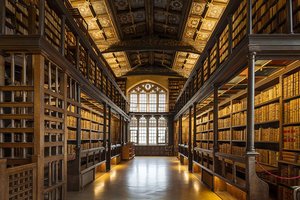 Bodleian Libraries |
Oxford | 2 | David George Vaisey (b.1935), John Hood (b.1942) |
 Paintings Owned by Colleges |
Cambridge | 2 | Barry Everitt, Master of Downing College, Alan and Grace Howard |
 Royal Holloway |
Egham | 1 | Professor Dorothy Wedderburn |
 Chester Town Hall |
Chester | 1 | Gerald Grosvenor (b.1951), 6th Duke of Westminster |
 Merton College |
Oxford | 1 | Dame Jessica Rawson, Warden |
 The University of Reading |
Reading | 1 | Ewan Page |
 Government Art Collection |
Londýn | 1 | Brian Robert Morris (1930–2001), Lord Morris of Castle Morris |
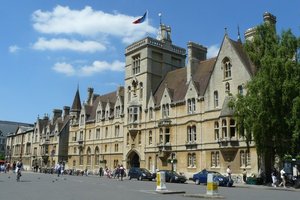 Balliol College |
Oxford | 1 | Baruch S. Blumberg |
Vyberte si dekádu a prohlédněte si originál, který ji definuje.


Philip William Bryce Lever (1915–2000), 3rd Viscount Leverhulme, KG. Následují Professor Dorothy Wedderburn (1991) a Gerald Grosvenor (b.1951), 6th Duke of Westminster (1995).
Philip William Bryce Lever (1915–2000), 3rd Viscount Leverhulme, KG, Professor Dorothy Wedderburn, Gerald Grosvenor (b.1951), 6th Duke of Westminster, Dame Jessica Rawson, Warden, Brian Robert Morris (1930–2001) (triptych), Ewan Page, Brian Robert Morris (1930–2001), Baron Morris of Castle Morris, Principal of St David's University College (1980–1991), Brian Robert Morris (1930–2001), Lord Morris of Castle Morris, Sir Emmanuel Kaye a Baruch S. Blumberg. Hodnocení výše uvádí rok a muzeum pro každé z nich.
Náš katalog obsahuje 24 děl umělce Paul Brason z let 1990 až 2012.
Většinou v Bodleian Libraries (Oxford), Paintings Owned by Colleges (Cambridge) a Royal Holloway (Egham). V tabulce muzeí výše jsou vypsány všechny.
V období 1990s: 11 z celkem 24 děl na této stránce vzniklo právě tehdy, z toho Professor Dorothy Wedderburn z nich.
Na této stránce je nejstarší dílo z Ewan Page (1990) a nejnovější z Professor Dame Jean Thomas (2012).
Reflection (4), Portrait (3) a Portraiture (3) napříč 24 díly na této stránce.
Contemporary realism, podle originálů na této stránce.
David George Vaisey (b.1935) a John Hood (b.1942): muzeum Bodleian Libraries, Oxford má v obsluze 2 děl z této stránky.