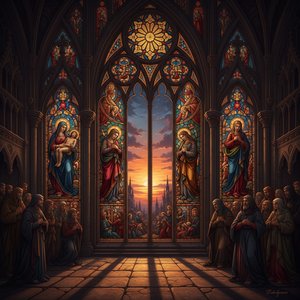
Master Paul of Levoča: A Gothic Titan
Master Paul of Levoča (German: Paul von Leutschau, Hungarian: Lőcsei Pál mester; Slovak: Majster Pavol z Levoče) remains one of the most enigmatic figures in medieval Slovak art history. Despite scant biographical details—his surname, birthdate, and deathplace remain elusive—he stands as a monumental achievement of late Gothic sculpture and carving, forever enshrined as the creator of the Basilica’s breathtaking St. James Altar – a masterpiece that continues to inspire awe and scholarly debate today.- The Enigma Surrounding His Life: Records concerning Paul are fragmentary, largely consumed by the devastating Levoča Fire of 1550. Historians have pieced together his life from scattered documents—primarily ecclesiastical records—suggesting he was born sometime between 1470 and 1480, though precise origins remain unknown. Theories abound regarding his nationality, ranging from native Levočan to German descent, fueled by connections with prominent artistic centers like Passau, Wittenberg, and Augsburg.
- Early Artistic Training: Evidence points to Paul’s formative years spent in Kraków, where he likely honed his skills under the tutelage of Veit Stoss—a towering figure of Gothic sculpture whose influence is palpable in several of Paul's works. This mentorship undoubtedly instilled a profound understanding of sculptural technique and artistic vision.
- Levoča: A Crucible of Creativity: By 1500, Paul established his workshop in Levoča, securing a position within the town council and marrying Margita Szilassy—daughter of a wealthy citizen—creating a stable domestic life amidst his prolific artistic endeavors. His marriage symbolized not only personal happiness but also bolstered Levoča’s cultural prestige.
The St. James Altar: A Gothic Revelation
Paul's magnum opus, the St. James Altar in Spišská Sobota Basilica, transcends mere craftsmanship; it embodies the zenith of Late Gothic artistic expression. Completed in 1517, this monumental altar—measuring an astounding 18.62 meters tall—represents a triumph of sculptural innovation and symbolic richness. Its intricate carvings depict scenes from the Passion of Christ with unparalleled detail and emotional intensity.
- Sculptural Virtuosity: The altar’s sculptures, crafted by Paul himself and his workshop assistants, showcase masterful execution and demonstrate an acute sensitivity to artistic principles. Notably, the central Madonna statue—a poignant depiction of Mary holding the infant Jesus—is considered a landmark achievement in sculptural representation.
- Influence of Cranach & Schäufelein: The altar’s panel paintings draw inspiration from the engravings of Lucas Cranach and Hans Schäufelein, reflecting the broader artistic currents circulating throughout Europe during Paul's lifetime. These stylistic choices underscore his engagement with contemporary artistic trends.
A Legacy Enduring Through Time
Despite the paucity of biographical information, Master Paul’s impact on Slovak art and culture remains undeniable. His St. James Altar—designated a UNESCO World Heritage Site in 2009—continues to captivate visitors from around the globe, serving as a testament to his artistic genius and the enduring power of Gothic artistry.
- Recognition by Art Historians: The rediscovery of Paul’s work in the 1870s sparked considerable scholarly debate regarding his origins and artistic influences. Subsequent research has solidified his position as a pivotal figure in Slovak medieval art history.
Further Exploration
For those eager to delve deeper into Master Paul's life and oeuvre, numerous resources are available: Explore the Basilica of St. James’ website (Basilica of St. James) for detailed information about its history and artistic treasures. Consult scholarly publications on Veit Stoss and Gothic sculpture to gain insights into Paul's artistic milieu.