Portrét Mistr Francke

19 nejslavnějších obrazů autora Mistr Francke, výběr z galerie

Aktualizováno listopad 2026 · seřazeno podle našeho skóre popularity (vyhledávání, návštěvy a objednávky u každého díla) · 19 děl umělce Mistr Francke v našem katalogu

Stručně řečeno

Z všech originálů, které Mistr Francke zanechal, je nejslavnější Dormition of the Mother of God from Barbara altar from the Kalanti church in Finland (1415), který se nachází ve sbírce Národní muzeum ve Finsku, Helsinky. Hned za ním následují Adoration of the Magi (1426) a Birth of Jesus (1424). Náš katalog obsahuje 19 děl umělce Mistr Francke; galerie si zachovala 19 děl, která obdivuje celý svět, přičemž každé je znázorněno s datem vzniku, názevem muzea a jeho příběhem.

1380 – 1435, Niederrhein Gothic Nejvíce děl: Hamburger Kunsthalle

10 nejlepších obrazů umělce Mistr Francke: výběr galerie

1
Dormition of the Mother of God from Barbara altar from the Kalanti church in Finland (1415) od Mistr Francke

Dormition of the Mother of God from Barbara altar from the Kalanti church in Finland

1415 · Tempera On Panel · Národní muzeum ve Finsku, Helsinky

The Dormition of the Mother of God from Barbara altar from the Kalanti church in Finland is a significant component of the larger Saint Barbara Altarpiece. Created by the North German artist Master Francke, this specific work belongs to a larger Virgin Mary cycle that spans the corpus and the inner wings of the altarpiece. The subject matter focuses on the profound theological narrative of Mary's death and her subsequent…

2
Adoration of the Magi (1426) od Mistr Francke

Adoration of the Magi

1426 · Tempera On Panel · Hamburger Kunsthalle, Hamburg

The painting is a depiction of the Adoration of the Magi, a scene centered on Mary holding her baby Jesus in her arms. She is surrounded by a gathering of twelve people, some of whom stand in close proximity to the viewer while others are positioned further away in the composition. The scene is further detailed by the presence of two chairs, one located near the left side and another…

3
Birth of Jesus (1424) od Mistr Francke

Birth of Jesus

1424 · Oil On Panel · Hamburger Kunsthalle, Hamburg

In the quiet, hallowed atmosphere of the early fifteenth century, a masterpiece emerged that would capture the spiritual fervor of the late Gothic era. Master Francke, the enigmatic Dutch virtuoso known as Frater Francke, crafted his Birth of Jesus in 1424 with a profound sense of theatricality and devotion. This is not merely a depiction of a stable scene; it is a cosmic event rendered on wood. The painting commands…

4
The Martyrdom of Saint Thomas of Canterbury (1426) od Mistr Francke

The Martyrdom of Saint Thomas of Canterbury

1426 · Tempera · Hamburger Kunsthalle, Hamburg

A Moment of Violent Devotion The scene unfolds with a heavy, dramatic tension, capturing the precise moment of Saint Thomas Becket's death within the cathedral. Four knights surround the Archbishop, their presence defined by the cold steel of a sword and the weight of a shield. There is a palpable sense of movement in the composition, as if the air itself has thickened with the gravity of the act. The…

5
The Entombment (1430) od Mistr Francke

The Entombment

1430 · Tempera On Panel · Hamburger Kunsthalle, Hamburg

The artwork is titled The Entombment, a work executed by the artist Master Francke. This specific piece functions as a panel from the St. Thomas Altar. It originated from St. John's Church in Hamburg, Germany. The painting is a religious composition that depicts the deposition of Christ following the crucifixion.

6
Resurrection of Christ (1430) od Mistr Francke

Resurrection of Christ

1430 · Hamburger Kunsthalle, Hamburg

In the profound stillness of the early fifteenth century, a moment of eternal victory was captured on panel by the hand of Master Francke. The Resurrection of Christ is not merely a depiction of a biblical event; it is a visceral experience of triumph over the shadows of mortality. As the eye meets the central figure of Jesus, one is immediately struck by the sheer kinetic energy of his ascent.…

7
Adoration of the Child (1426) od Mistr Francke

Adoration of the Child

1426 · Tempera On Panel · Hamburger Kunsthalle, Hamburg

In the quiet, hallowed atmosphere of the early fifteenth century, a profound moment of divine intimacy was captured by the hand of Master Francke. His masterpiece, Adoration of the Child, dating to approximately 1426, serves as a breathtaking window into the spiritual fervor of the North German Gothic tradition. The scene unfolds with a tender, almost breathless reverence, as the Virgin Mary cradles the infant Jesus, lifting him toward the…

8
The Mocking of Saint Thomas of Canterbury (1426) od Mistr Francke

The Mocking of Saint Thomas of Canterbury

1426 · Hamburger Kunsthalle, Hamburg

In the evocative scene of The Mocking of Saint Thomas of Canterbury, we are transported back to the visceral intensity of the early 15th century. Created around 1426 by the enigmatic North German master known as Frater Francke, this work captures a moment of profound tension and spiritual confrontation. The composition centers on a figure draped in a striking red robe, mounted upon a noble white horse, caught in the…

9
The Women at the Cross (fragment) (1435) od Mistr Francke

The Women at the Cross (fragment)

1435 · Tempera On Panel · Hamburger Kunsthalle, Hamburg

The fragment captures a moment of profound grief, centering on the Virgin Mary and a group of women gathered in sorrow. They are draped in long gowns, their heads covered by veils, their postures reflecting the weight of loss following the death of Jesus Christ. In the background, a horse and a smaller group of figures suggest a larger, more complex narrative unfolding beyond this immediate circle of lamentation. Scattered…

Výběr umělce Mistr Francke pokračuje, od 11 do 19

Motivy, které zaujaly Mistr Francke

Čtyři témata, která se v těchto originálech nejčastěji objevují, z nichž každé má svůj nejlepší příklad.

Muzea, v nichž jsou vystavena originálna umělce Mistr Francke

4 muzea, v nichž je umístěno nejvíce obrazů z této stránky.

Muzeum Město Díla autora Mistr Francke Obrazy z tohoto seznamu
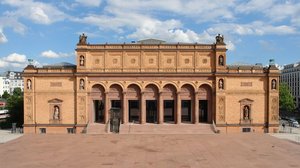
Hamburger Kunsthalle, HamburgHamburger Kunsthalle Hamburg 9 Adoration of the Magi, Birth of Jesus, The Martyrdom of Saint Thomas of Canterbury
Národní muzeum ve Finsku, HelsinkyNárodní muzeum ve Finsku Helsinky 1 Dormition of the Mother of God from Barbara altar from the Kalanti church in Finland
Museum der bildenden Künste, LipskMuseum der bildenden Künste Lipsk 1 Vir Dolorum (Man of Sorrows)
Národní muzeum ve Varšavě, VaršavaNárodní muzeum ve Varšavě Varšava 1 Holy trinity

Mistr Francke dekáda po dekádě: originální díla, která definují každou z nich

Díla podle dekád

Vyberte si dekádu a prohlédněte si originál, který ji definuje.

Otázky sběratelů o obrazech umělce Mistr Francke

Kterým dílem je Mistr Francke nejznámější?Odhalit odpověď

Dormition of the Mother of God from Barbara altar from the Kalanti church in Finland (1415), Národní muzeum ve Finsku, Helsinky. Následují Adoration of the Magi (1426) a Birth of Jesus (1424).

Kolik let bylo Mistr Francke, když bylo vytvořeno dílo Dormition of the Mother of God from Barbara altar from the Kalanti church in Finland?Odhalit odpověď

35 let: dílo Dormition of the Mother of God from Barbara altar from the Kalanti church in Finland pochází z roku 1415 a Mistr Francke se narodil/a v roce 1380.

Kterých deset nejslavnějších obrazů má Mistr Francke?Odhalit odpověď

Dormition of the Mother of God from Barbara altar from the Kalanti church in Finland, Adoration of the Magi, Birth of Jesus, The Martyrdom of Saint Thomas of Canterbury, The Entombment, Resurrection of Christ, Adoration of the Child, The Mocking of Saint Thomas of Canterbury, The Women at the Cross (fragment) a Barbara Altar, inside the wing. Hodnocení výše uvádí rok a muzeum pro každé z nich.

Kolik obrazů zanechal(a) Mistr Francke?Odhalit odpověď

Náš katalog obsahuje 19 děl umělce Mistr Francke z let 1415 až 1435.

Ve kterých muzeích jsou vystavena díla mistrovská umělce Mistr Francke?Odhalit odpověď

Většinou v Hamburger Kunsthalle (Hamburg), Národní muzeum ve Finsku (Helsinky) a Museum der bildenden Künste (Lipsk). V tabulce muzeí výše jsou vypsány všechny.

V jakých letech namaloval Mistr Francke svá nejznámější díla?Odhalit odpověď

V období 1420s: 6 z celkem 19 děl na této stránce vzniklo právě tehdy, z toho Adoration of the Magi z nich.

Jaká jsou první a poslední slavná originální díla umělce Mistr Francke?Odhalit odpověď

Na této stránce je nejstarší dílo z Dormition of the Mother of God from Barbara altar from the Kalanti church in Finland (1415) a nejnovější z The Women at the Cross (fragment) (1435).

Jaká témata si Mistr Francke vybíral nejčastěji?Odhalit odpověď

People (3), Mary (3) a Man (3) napříč 19 díly na této stránce.

Kterou techniku používal(a) Mistr Francke nejčastěji?Odhalit odpověď

Tempera On Panel, u 5 z 19 děl na této stránce.

K kterému uměleckému směru patří Mistr Francke?Odhalit odpověď

Gothic, podle originálů na této stránce.

Která díla umělce Mistr Francke jsou vystavena v Hamburger Kunsthalle?Odhalit odpověď

Adoration of the Magi, Birth of Jesus a The Martyrdom of Saint Thomas of Canterbury: muzeum Hamburger Kunsthalle, Hamburg má v obsluze 9 děl z této stránky.

Mistr Francke: život a dílo

Mistr smutlivé pobožnosti: Odkaz Fratra Franckeho

Johannes Francke, známý jako Frater Francke, představuje klíčovou postavu v rozkvétající umělecké krajině patnáctého století v Německu – konkrétně v rámci živé gotické tradice Hamburku. Ačkoliv biografické detaily zůstávají somewhat neuchopitelné, dochované dokumenty potvrzují jeho zapojení do monumentálních náboženských zakázek během jeho života, čímž upevnil svou reputaci jednoho z nejúspěšnějších tvůrců oltářních obrazů této éry.
  • Raný život a vzdělání: Přesné informace o Franckových formativních letech jsou vzácné. Z onoho roku kolem 1380 se však objevil v Zutphenu, kde pravděpodobně absolvoval své první umělecké vzdělání v rámci tehdejší soustavného cechního systému – kamene základního středověkého řemesla, kde učňovství kultivovalo technickou mistrovství spolu s duchovní oddaností.
  • Hamburk a Narození Ježíše (1ளம்24): Franckova kariéra skutečně rozkvétala v Hamburku, kde získal smlouvu na vytvoření oltářního obrazu pro kostel svaté Kateřiny. Tento ambiciózní projekt – „Narození Ježíše“, dokončený v roce 1424 – je dokonalým příkladem jeho stylistické citlivosti: kompozici dominují intenzivní červené tóny, které vyjadřují hluboké emoce a zdůrazňují symbolické prvky spojené s Božským vtělením Krista. Obraz vyniká precizní detailností a mistrovským použitím barvy, což zrcadlí tehdejší gotickou estetiku.
Franckova umělecká tvorba však sahala daleko za toto jediné mistrovské dílo. Přestože existuje jen málo děl, která lze s naprostou jistotou mu přisoudit – což je častý problém historiků rekonstruujících umělecké linie – odborný konsenzus poukazuje na jeho přínos v Lipsku a další významné dílo uložené v hamburské Kunsthalle. Tyto malby projevují pokračující angažovanost vůči gotickým technikám, charakterizovaným stylizovanými postavami a bohatým použitím zlatého listu, což jsou rysy typické pro náboženský fervor tehdejší doby.
  • Technika a styl: Franckův umělický styl je pevně zakořeněn v konvencích gotické malby. S obratností využíval temperu na dřevěné desce, čímž dosáhl zářivých barev a bohaté textury. Jeho ztvárnění biblických scén jsou prosyceny dramatickými emocemi a psychologickou hloubkou, přičemž upřednostňuje expresivní gesta a vyjadřuje duchovní kontemplaci.
  • Vliv a odkaz: Franckovo dílo hluboce ovlivnilo následující generace umělců v Hamburku i mimo něj. Stal se zastáncem gotického stylu a ugruntoval jej jako dominantní vizuální jazyk náboženského umění své doby. Jeho precizní pozornost k detailu a emotivní zobrazení biblických příběhů rezonují i dnes, čímž si zajistil místo trvalého symbolu pobožnosti a umělecké excellence.

Významná úspěšná díla: Barbarinský oltář

Možná nejuznávanějším úspěchem Francka je „Barbarinský oltář“, zadaný pro kostel svaté Barbory v Hamburku kolem roku 1430. Toto monumentální umělecké dílo – svědectví jeho umělecké síly – obsahuje komplexní narativ zobrazující mučednictví svaté Barbory a ztělesňuje sklon gotické tradice k velkoleposti a symbolické reprezentaci. Intrikatní sochařské prvky oltáře, v kombinaci s živou polychromickou malbou, podtrhují Franckovo mistrovství jak ve vizuálních uměních, tak v řemeslné zručnosti.

Historický význam

Přínos Mistra Francka k německé dějinám umění je nepopiratelný. Představuje zásadní spojovací článek mezi středověkými uměleckými tradicemi a rodícím se pohybem renesance – přechodné érou poznačenou obnoveným zájmem o klasické ideály spolu s trvající náboženskou oddaností. Jeho oltářové obrazy stojí jako mocné vizuální výrazy víry, které odrážejí duchovní potřeby jeho doby a po staletí formovaly estetickou citlivost hamburské umělecké komunity.