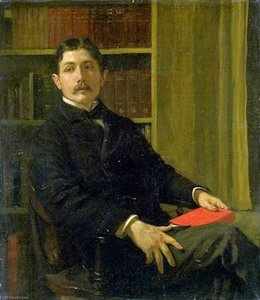
Portrét Kenyon Cox

71 nejslavnějších obrazů autora Kenyon Cox, každý naprosto unikátní

Aktualizováno listopad 2026 · seřazeno podle našeho skóre popularity (vyhledávání, návštěvy a objednávky u každého díla) · 76 děl umělce Kenyon Cox v našem katalogu

Stručně řečeno

The Progress of Civilization The Forge, Commerce, and Education (mural study, State Capitol, Des Moines, Iowa) (1906) je obraz autora Kenyon Cox, který přitahuje nejvíce pohledů; originál se nachází v Smithsonian American Art Museum, Washington, D.C.. Poté se zrak přesouvá k Landscape at Grez (1879) a Henry L. Fry (1883). Z 76 děl umělce Kenyon Cox v našem katalogu je těchto 71 těch nejznámějších; každé z nich je unikátním originálem s uvedením roku vzniku, muzea a důvodu jeho nesmrtelnosti.

1856 – 1919, Warren Classical realism Nejvíce děl: Smithsonian American Art Museum

Top 10 obrazů autora Kenyon Cox podle výběru galerie

1
The Progress of Civilization The Forge, Commerce, and Education (mural study, State Capitol, Des Moines, Iowa) (1906) od Kenyon Cox

The Progress of Civilization The Forge, Commerce, and Education (mural study, State Capitol, Des Moines, Iowa)

1906 · Oil On Canvas · Smithsonian American Art Museum, Washington, D.C.

The Progress of Civilization The Forge, Commerce, and Education (mural study, State Capitol, Des Moines, Iowa) is an oil on canvas work by Kenyon Cox. Created about 1905-1906, this piece functions as a preparatory study for a larger mural intended for the State Capitol in Des Moines, Iowa. The artist, Kenyon Cox, sought to capture the movement of human advancement through these specific, segmented scenes.

2
Landscape at Grez (1879) od Kenyon Cox

Landscape at Grez

1879 · Black and White Photography · Cincinnati Art Museum, Cincinnati

In Landscape at Grez, Kenyon Cox organizes a formal indoor setting through a centered composition. The subject, a man seated in a decorative wooden chair, is positioned slightly to the right of the vertical axis. This slight offset breaks the symmetry of the room, providing a sense of depth against the structured background. The perspective is a straight-on eye-level shot, placing the viewer directly in front of the subject within…

3
Henry L. Fry (1883) od Kenyon Cox

Henry L. Fry

1883 · Oil On Canvas · Cincinnati Art Museum, Cincinnati

This oil on canvas portrait by Kenyon Cox depicts Henry L. Fry. Created in 1883, the work presents the subject in a full-length view. The man is positioned slightly off-center against a background of draped fabric. He is shown with a white beard and wears a dark overcoat. The composition is vertical, focusing on the single figure within the frame.

4
The Approach of Love (1890) od Kenyon Cox

The Approach of Love

1890 · Oil · Cincinnati Art Museum, Cincinnati

In "The Approach of Love" by Kenyon Cox, the horizontal plane is anchored by a massive, curved marble bench. This white sarcophagus occupies the center of the scene, acting as a heavy, pale foundation for the figures. On the left, a nude woman with long reddish-brown hair reclines against the stone. A voluminous, golden-yellow fabric spills over the edge of the marble, its bright weight contrasting against the cool, white…

5
Diana (1890) od Kenyon Cox

Diana

1890 · Oil On Canvas · Chazen Museum of Art, Madison

In "Diana" by Kenyon Cox, the Roman goddess Artemis emerges from the shadows of a lush, wooded landscape. Created about 1890, the work places the deity at the center of a quiet, natural world. She is rendered as a full-length nude figure, her form poised against the deep greens and browns of the surrounding foliage. The goddess occupies the heart of the scene, a singular presence amidst the organic textures…

6
The Harp Player (A Solo) (1888) od Kenyon Cox

The Harp Player (A Solo)

1888 · Oil On Canvas · Metropolitan Museum of Art, New York

The Harp Player (A Solo) is an oil painting by the American artist Kenyon Cox. Created about 1888, the work emerged during a period when Cox was establishing his reputation within the academic traditions of the late 19th century. His practice emphasized careful drawing and a commitment to classical ideals, often focusing on genre studies and idealized forms.

7
The Fall (1892) od Kenyon Cox

The Fall

1892 · Oil On Canvas

In this 1892 oil painting, Kenyon Cox captures a moment of profound transition within a lush, wooded landscape. The work, titled The Fall, presents the biblical narrative of Adam and Eve at the precise instant of their temptation. A serpent coils around the trunk of a tree, embodying the presence of evil, while Eve reaches out to offer the fruit to Adam. This central action transforms the garden into a…

8
Head of the Queen of Egypt (1888) od Kenyon Cox

Head of the Queen of Egypt

1888 · Oil · Smithsonian American Art Museum, Washington, D.C.

In this work, titled Head of the Queen of Egypt, the artist Kenyon Cox presents a focused study of a historical figure. The painting depicts the head of Nefertiti, the Egyptian queen who belonged to the Eighteenth Dynasty. It is a quiet, measured representation that captures the likeness of the sculpted bust rather than a living person.

9
Bird Song (1896) od Kenyon Cox

Bird Song

1896 · Oil

In "Bird Song" by Kenyon Cox, a seated female figure occupies the center of the frame. She is positioned vertically, a steady pillar of quietude amidst a soft-focus world. Her white chemise-style top is patterned with small green leaf motifs, a delicate detail against the pale fabric. Below, a heavy, draped skirt of greyish-purple pools around her feet in thick, weighted folds. She holds a long, slender wooden flute in…

10
Christ (1905) od Kenyon Cox

Christ

1905 · Oil On Canvas · Clevelandské muzeum umění, Cleveland

In the painting Christ by Kenyon Cox, the composition is centered and symmetrical. The subject is presented in a full-length view, standing as a single male figure against a landscape background. This figure is depicted with long brown hair and a beard. He wears voluminous, flowing red robes that drape heavily around the body. His arms are slightly extended to his sides, with the palms facing upward in a gesture…

Slavná díla umělce Kenyon Cox, čísla 11 až 71

11(Iowa State Capitol Rotunda) (Manufactures, study for panel) (1905) od Kenyon Cox(Iowa State Capitol Rotunda) (Manufactures, study for panel)1905 12(Iowa State Capitol Rotunda) (Manufactures, study for panel) (1905) od Kenyon Cox(Iowa State Capitol Rotunda) (Manufactures, study for panel)1905 · Smithsonian American Art Museum 13Maxfield Parrish (1905) od Kenyon CoxMaxfield Parrish1905 14Tradition (1916) od Kenyon CoxTradition1916 · Clevelandské muzeum umění 15The Education of Cupid (1917) od Kenyon CoxThe Education of Cupid1917 16Sketch for the Mural at Oberlin College, The Spirit of Self Sacrificing Love (1914) od Kenyon CoxSketch for the Mural at Oberlin College, The Spirit of Self Sacrificing Love1914 · Smithsonian American Art Museum 17Augustus Saint-Gaudens (1908) od Kenyon CoxAugustus Saint-Gaudens1908 · Metropolitan Museum of Art 18(Study for Labor ) (1870) od Kenyon Cox(Study for Labor )1870 19Study for Mosaic, Wisconsin State Capitol, (1912) od Kenyon CoxStudy for Mosaic, Wisconsin State Capitol,1912 · Oklahoma City Museum of Art 20(Untitled) (Greco Roman Discus Thrower) (1873) od Kenyon Cox(Untitled) (Greco Roman Discus Thrower)1873 21(Untitled) (Study of Standing Male Nude) (1876) od Kenyon Cox(Untitled) (Study of Standing Male Nude)1876 22(Untitled) (Studies of Male Nudes) (1876) od Kenyon Cox(Untitled) (Studies of Male Nudes)1876 23Flying Shadows (1883) od Kenyon CoxFlying Shadows1883 24Landscape (1883) od Kenyon CoxLandscape1883 · Metropolitan Museum of Art 25Flying Shadows (1883) od Kenyon CoxFlying Shadows1883 · National Gallery of Art 26A Lady in Black (1880) od Kenyon CoxA Lady in Black1880 · Smithsonian American Art Museum 27Study for Evening (1883) od Kenyon CoxStudy for Evening1883 · Smithsonian American Art Museum 28After Titian's Madonna of the Rabbit (1882) od Kenyon CoxAfter Titian's Madonna of the Rabbit1882 · Smithsonian American Art Museum 29After Boltraffio, Sacra Conversazione (1882) od Kenyon CoxAfter Boltraffio, Sacra Conversazione1882 · Smithsonian American Art Museum 30May (1890) od Kenyon CoxMay1890 31Indian Summer (1887) od Kenyon CoxIndian Summer1887 · Smithsonian American Art Museum 32Louise Howland King (Mrs. Kenyon Cox) (1892) od Kenyon CoxLouise Howland King (Mrs. Kenyon Cox)1892 · Smithsonian American Art Museum 33Study for Drapery of Pursuit of the Ideal (1891) od Kenyon CoxStudy for Drapery of Pursuit of the Ideal1891 · Smithsonian American Art Museum 34Echo (1892) od Kenyon CoxEcho1892 · Smithsonian American Art Museum 35An Eclogue (1890) od Kenyon CoxAn Eclogue1890 · Smithsonian American Art Museum 36Sketches for a Decoration of a Private Library B (1894) od Kenyon CoxSketches for a Decoration of a Private Library B1894 · Smithsonian American Art Museum 37Sketches for the Decoration of a Private Library A (1894) od Kenyon CoxSketches for the Decoration of a Private Library A1894 · Smithsonian American Art Museum 38Portrait of Mr. Wiley (1894) od Kenyon CoxPortrait of Mr. Wiley1894 39Study for Science Instructing Industry (1898) od Kenyon CoxStudy for Science Instructing Industry1898 · Smithsonian American Art Museum 40(Iowa State Capitol Rotunda) (Hunting, study for panel) (1905) od Kenyon Cox(Iowa State Capitol Rotunda) (Hunting, study for panel)1905 41Hope and memory (1900) od Kenyon CoxHope and memory1900 42Study for Mural at Hotel Manhattan, Peace and Plenty (1901) od Kenyon CoxStudy for Mural at Hotel Manhattan, Peace and Plenty1901 · Smithsonian American Art Museum 43Untitled, Portrait of a Young Girl (1900) od Kenyon CoxUntitled, Portrait of a Young Girl1900 44Study for mural, Union Trust Company Building, The Sources of Wealth (1903) od Kenyon CoxStudy for mural, Union Trust Company Building, The Sources of Wealth1903 · Smithsonian American Art Museum 45(Iowa State Capitol Rotunda) (study for Six Lunettes) (1905) od Kenyon Cox(Iowa State Capitol Rotunda) (study for Six Lunettes)1905 46Study for Christ (1905) od Kenyon CoxStudy for Christ1905 · Smithsonian American Art Museum 47Study for Mural for Appellate Court Building, New York Statute Law , Helmet for Figure of Force (1899) od Kenyon CoxStudy for Mural for Appellate Court Building, New York Statute Law , Helmet for Figure of Force1899 · Smithsonian American Art Museum 48Approach of Love od Kenyon CoxApproach of LoveCincinnati Art Museum 49Augustus Saint Gaudens (1908) od Kenyon CoxAugustus Saint Gaudens1908 50Plenty (1910) od Kenyon CoxPlenty1910 · Smithsonian American Art Museum 51The Silver Hand Glass (1907) od Kenyon CoxThe Silver Hand Glass1907 · Smithsonian American Art Museum 52The Progress of Civilization Science and Art (mural study, State Capitol, Des Moines, Iowa) (1906) od Kenyon CoxThe Progress of Civilization Science and Art (mural study, State Capitol, Des Moines, Iowa)1906 · Smithsonian American Art Museum 53The Progress of Civilization Hunting, Herding, Agriculture (mural study, State Capitol, Des Moines, Iowa) (1906) od Kenyon CoxThe Progress of Civilization Hunting, Herding, Agriculture (mural study, State Capitol, Des Moines, Iowa)1906 · Smithsonian American Art Museum 54Study for Mural at U.S. Custom House, Cleveland, OH, Passing Commerce Pays Tribute to the Port of Cleveland (1909) od Kenyon CoxStudy for Mural at U.S. Custom House, Cleveland, OH, Passing Commerce Pays Tribute to the Port of Cleveland1909 · Smithsonian American Art Museum 55Study for Mosaic, Wisconsin State Capital, Legislation (1913) od Kenyon CoxStudy for Mosaic, Wisconsin State Capital, Legislation1913 · Smithsonian American Art Museum 56Book of Pictures (1917) od Kenyon CoxBook of Pictures1917 · Smithsonian American Art Museum 57Study for Mosaic, Wisconsin State Capital, Justice (1913) od Kenyon CoxStudy for Mosaic, Wisconsin State Capital, Justice1913 · Smithsonian American Art Museum 58Study for mosaic in the Wisconsin State Capital Government and Liberty (1912) od Kenyon CoxStudy for mosaic in the Wisconsin State Capital Government and Liberty1912 · Smithsonian American Art Museum 59Sketch for Mosaic, Wisconsin State Capital, Justice (1912) od Kenyon CoxSketch for Mosaic, Wisconsin State Capital, Justice1912 · Smithsonian American Art Museum 60Nude Study for Mosaic, Wisconsin State Capitol, (1912) od Kenyon CoxNude Study for Mosaic, Wisconsin State Capitol,1912 · Oklahoma City Museum of Art 61Nude Study for Mosaic, Wisconsin State Capitol, (1912) od Kenyon CoxNude Study for Mosaic, Wisconsin State Capitol,1912 · Oklahoma City Museum of Art 62Nude Study for Mosaic, Wisconsin State Capitol, (1912) od Kenyon CoxNude Study for Mosaic, Wisconsin State Capitol,1912 · Oklahoma City Museum of Art 63Nude Study for Mosaic, Wisconsin State Capitol, (1912) od Kenyon CoxNude Study for Mosaic, Wisconsin State Capitol,1912 · Oklahoma City Museum of Art 64Study for Mosaic, Wisconsin State Capitol, (1912) od Kenyon CoxStudy for Mosaic, Wisconsin State Capitol,1912 · Oklahoma City Museum of Art 65Study for Mosaic, Wisconsin State Capitol, (1912) od Kenyon CoxStudy for Mosaic, Wisconsin State Capitol,1912 · Oklahoma City Museum of Art 66Nude Study for Mosaic, Wisconsin State Capitol, (1912) od Kenyon CoxNude Study for Mosaic, Wisconsin State Capitol,1912 · Oklahoma City Museum of Art 67Fields (1885) od Kenyon CoxFields1885 68Study for Mosaic, Wisconsin State Capitol, (1912) od Kenyon CoxStudy for Mosaic, Wisconsin State Capitol,1912 · Oklahoma City Museum of Art 69Nude Study for Mosaic, Wisconsin State Capitol, (1912) od Kenyon CoxNude Study for Mosaic, Wisconsin State Capitol,1912 · Oklahoma City Museum of Art 70Cartoon for mural of Minnesota State Capital, Institute of Justice od Kenyon CoxCartoon for mural of Minnesota State Capital, Institute of JusticeSmithsonian American Art Museum 71Lengthening Shadows (1888) od Kenyon CoxLengthening Shadows1888 · Smithsonian American Art Museum

Motivy, které zaujaly Kenyon Cox

Čtyři témata, která se v těchto originálech nejčastěji objevují, z nichž každé má svůj nejlepší příklad.

Muzea, v nichž jsou vystavena originálna umělce Kenyon Cox

7 muzea, v nichž je umístěno nejvíce obrazů z této stránky.

Muzeum Město Díla autora Kenyon Cox Obrazy z tohoto seznamu
Smithsonian American Art Museum, Washington, D.C.Smithsonian American Art Museum Washington, D.C. 32 The Progress of Civilization The Forge, Commerce, and Education (mural study, State Capitol, Des Moines, Iowa), Head of the Queen of Egypt, (Iowa State Capitol Rotunda) (Manufactures, study for panel)
Oklahoma City Museum of Art, Oklahoma CityOklahoma City Museum of Art Oklahoma City 10 Study for Mosaic, Wisconsin State Capitol,, Nude Study for Mosaic, Wisconsin State Capitol,, Nude Study for Mosaic, Wisconsin State Capitol,
Cincinnati Art Museum, CincinnatiCincinnati Art Museum Cincinnati 4 Landscape at Grez, Henry L. Fry, The Approach of Love
Metropolitan Museum of Art, New YorkMetropolitan Museum of Art New York 3 The Harp Player (A Solo), Augustus Saint-Gaudens, Landscape
Clevelandské muzeum umění, ClevelandClevelandské muzeum umění Cleveland 2 Christ, Tradition
Chazen Museum of Art, MadisonChazen Museum of Art Madison 1 Diana
National Gallery of Art, WashingtonNational Gallery of Art Washington 1 Flying Shadows

Kenyon Cox napříč desetiletími: jeden unikátní originál pro každou dekádu

Díla podle dekád

Vyberte si dekádu a prohlédněte si originál, který ji definuje.

Obrazy umělce Kenyon Cox: dotazy pro galerii

Kterým nejznámějším dílem je Kenyon Cox?Odhalit odpověď

The Progress of Civilization The Forge, Commerce, and Education (mural study, State Capitol, Des Moines, Iowa) (1906), Smithsonian American Art Museum, Washington, D.C.. Následují Landscape at Grez (1879) a Henry L. Fry (1883).

V jakém věku vytvořil(a) Kenyon Cox dílo The Progress of Civilization The Forge, Commerce, and Education (mural study, State Capitol, Des Moines, Iowa)?Odhalit odpověď

50 let: dílo The Progress of Civilization The Forge, Commerce, and Education (mural study, State Capitol, Des Moines, Iowa) pochází z roku 1906 a Kenyon Cox se narodil/a v roce 1856.

Kterých deset obrazů autora Kenyon Cox je nejznámějších?Odhalit odpověď

The Progress of Civilization The Forge, Commerce, and Education (mural study, State Capitol, Des Moines, Iowa), Landscape at Grez, Henry L. Fry, The Approach of Love, Diana, The Harp Player (A Solo), The Fall, Head of the Queen of Egypt, Bird Song a Christ. Hodnocení výše uvádí rok a muzeum pro každé z nich.

Kolik známých děl má autor Kenyon Cox?Odhalit odpověď

Náš katalog obsahuje 76 děl umělce Kenyon Cox z let 1870 až 1917.

Kde lze vidět nejznámější originály umělce Kenyon Cox?Odhalit odpověď

Většinou v Smithsonian American Art Museum (Washington, D.C.), Oklahoma City Museum of Art (Oklahoma City) a Cincinnati Art Museum (Cincinnati). V tabulce muzeí výše jsou vypsány všechny.

V jakém období vytvořil(a) Kenyon Cox svá nejznámější obrazy?Odhalit odpověď

V období 1910s: 19 z celkem 71 děl na této stránce vzniklo právě tehdy, z toho Tradition z nich.

Který slavný obraz od Kenyon Cox je nejstarší a který nejnovější?Odhalit odpověď

Na této stránce je nejstarší dílo z (Study for Labor ) (1870) a nejnovější z The Education of Cupid (1917).

Jakým tématům se Kenyon Cox věnoval/a nejčastěji?Odhalit odpověď

Woman (9), Pencil sketch (5) a Man (4) napříč 71 díly na této stránce.

Jaké materiály používal(a) Kenyon Cox nejčastěji?Odhalit odpověď

Oil On Canvas, u 11 z 71 děl na této stránce.

K kterému směru patří dílo umělce Kenyon Cox?Odhalit odpověď

Classical realism, podle originálů na této stránce.

Jaká originální díla Kenyon Cox mohu vidět v Smithsonian American Art Museum?Odhalit odpověď

The Progress of Civilization The Forge, Commerce, and Education (mural study, State Capitol, Des Moines, Iowa), Head of the Queen of Egypt a (Iowa State Capitol Rotunda) (Manufactures, study for panel): muzeum Smithsonian American Art Museum, Washington, D.C. má v obsluze 32 děl z této stránky.

Kenyon Cox: portrét umělce

Kenyon Cox: Život a odkaz

Příběh Kenyona Coxe je fascinujícím zrcadlem éry, kdy se klasické ideály střetávaly s rodící se modernou. Narodil se 27. října 1856 ve Warrenu v ohawském státě jako syn Jacoba Dolsona Coxe a Helen Finney Coxové. Jeho cesta za uměním však nezačala v metropolích, ale v Art Academy of Cincinnati, kde si vybudoval základy svého řemesla. Již brzy však pocítil omezenost uměleckých příležitostí ve svém rodném městě a touha po skutečném vzdělání ho vedla k rozhodující zlomové události – návštěvě Světové výstavy v Philadelphii, která mu otevřela oči a nasměrovala jeho ambice k východu.

Cesta do Paříže v roce 1877 byla pro mladého umělce osudným krokem. Cox se tak stal součástí vlny amerických talentů, kteří v Paříži hledali inspiraci v tom, co věřili, že je „druhým renesansem“ umění. Pod vedením slavných mistrů, jako byli Carolus-Duran, Jean-Léon Gérôme a Alexandre Cabanel na École des Beaux-Arts, se jeho styl začal vyostřovat. Ačkoliv se v určitém okamžiku střetával s tím, co vnímal jako „vulgárnost“ v Duranově stylu, jeho zkušenosti z cest po Francii a Itálii mu poskytly hluboký vhled do díl v renesančních mistrů, což mu navždy formovalo uměleckou vizi.

Po návratu do New Yorku v roce 1882 se Cox ugruntoval jako významný malíř i ilustrátor. Zatímco jeho obrazy oslovovaly galerijní publikum, jeho ilustrace v časopisech dosahovaly širšího, masivnějšího publika. Jeho styl byl hluboce zakořeněn v realismu, s neustálým důrazem na krajinu, portrét a žánrové studie. Byl znám svou schopností zachytit ideální krásu nahých postav a tradičním, uctivým přístupem k klasickým tématům, které v něm nikdy nezmizely.

Jako pedagog byl Cox postavou, která formovala budoucí generace umělců v prestižní Art Students League of New York. Jeho vliv byl tak hluboký, že navrhl i logo této instituce, které zdobilo slavné motto „Nulla Dies Sine Linea“ (Žádný den bez čáry). Jeho přínos pro umělecký svět byl potvrzen i člensvím v Národní akademii designu, kde byl nejprve asociátem a později plnohodnotným akademikem. V letech 1915 až 1919 zastával také funkci prezidenta Národní společnosti muralistů, čímž potvrdil svou roli v čele amerického uměleckého establishmentu.

Dílo Kenyon Coxe představuje neúprosnou oddanost klasickým ideálům v době, kdy se na obzoru objevovaly radikální moderní směry. Prosazoval precizní kresbu, vyváženou práci s barvou a bohaté využití alegorie a symbolismu. I když nebyl radikálním inovátorem, jeho vliv byl klíčový pro udržení vysokých uměleckých standardů. Jeho psaná díla, jako například „Dvě cesty malování“, jasně artikulovala jeho pohled na vztah mezi figurativním uměním a abstraktními styly. Jeho odkaz tak zůstává důkazem neúnavné snahy o zachování krásy a řádu v neustále se měnícím světě umění, až do jeho smrti 17. března 1919.

Rané životí a vzdělání

Kenyon Cox se narodil 27. října 1856 ve Warrenu v ohiošském státě. Jeho životní cestu formovali rodiče, Jacob Dolson Cox a Helen Finney Cox, kteří mu položili základy pro budoucí tvůrčí působení.
Jeho umělecká cesta se začala v Art Academy of Cincinnati, známé dříve jako McMicken School of Art. Ačkoliv zde získal první zkušenosti, mladý umělec si rychle uvědomil, že možnosti uměleckého rozvoje v tomto městě jsou omezené.
Zlomový okamžik nastal po návštěvě Jubilejní výstavy v Philadelfii, která v něm probudila hlubší ambice. Rozhodl se proto pokračovat ve studiu na Pennsylvania Academy of Fine Arts s nadějí, že tento krok mu otevře dveře k dalším studiím v srdci Evropy.

Pařížské školení a vlivy

V roce 1877 se Cox přestěhoval do Paříže, čímž se stal součástí vlny amerických umělců, kteří v evropské metropoli hledali duchovní i uměleckou inspiraci. Věřil totiž, že Paříž právě zažívá své „druhé renesanční období“, které mělo zásadně proměnit tvář světového umění.
Byl pod vlivem výjimečných učitelů, kteří v École des Beaux-Arts formovali tehdejší uměleckou elitu: Carolus-Duran, Jean-Léon Gérôme a Alexandre Cabanel. Ačkoliv jeho první kroky v Paříži směřovaly k Carolus-Duranovi, brzy pocítil frustraci z toho, co vnímal jako určitou „vulgárnost“ v jeho stylistickém pojetí.
Jeho umělecká vize byla však hluboce ovlivněna i jiným zdrojem; cestování po Francii a Itálii mu umožnilo přímo obcovat s díly mistrů renesance, což mu navždy zformovalo cit pro klasickou krásu a dokonalost.

Kariéra v New Yorku a umělecký styl

V roce 1882 se Cox vrátil do New Yorku, kde si vybudoval ugruntované jméno jako malíř i ilustrátor.
Jeho ilustrační práce mu přinesly širokou veřejnost; jeho magazínové kresby dosahovaly mnohem širšího publika než jeho samotné obrazy.
Kromě malířství se věnoval i umělecké kritice, kdy pro New York Evening Post psal nepodepsané texty, které mu pomáhaly doplňovat příjem.
Jeho umělecký styl se klonil k realismu, přičemž se soustředil především na krajiny, portréty a žánrové studie. Byl známý svými idealizovanými akty a tradičním způsobem, jakým pracoval s klasickými tématy.

Pedagogická činnost a institucionální angažovanost

Kenyon Cox zanechal hlubokou stopu v americkém uměleckém světě nejen svým štětcem, ale i svou neúnavnou pedagogickou prací. Jako vysoce vlivný lektor v Art Students League of New York formoval talent generací budoucích umělců, přičemž jeho vliv byl tak silný, že navrhl i samotné logo této instituce, které zdobilo slavné motto „Nulla Dies Sine Linea“ (Žádný den bez čáry). Jeho prestiž byla potvrzena i v rámci nejvýznamnějších akademických kroužků; v roce 1900 byl zvolen asociovaným akademikem Národní akademie designu a již v roce 1903 se stal jejím plnohodnotným akademikem.

Jeho angažovanost v komunitě však nekončila u výuky. Jako jeden z zakladatelů a tajemníků National Free Arts League se aktivně podílel na budování uměleckých struktur, které měly posilovat svobodu tvorby. V pozdějších letech své kariéry pak působil v klíčových čeledních rolích, včetně funkce prezidenta National Society of Mural Painters, kterou zastával v letech 1915 až 1919. Díky své členství v řadě prestižních uměleckých organizací se stal nepostraditelnou postavou, která pomáhala definovat a udržovat standardy americké výtvarné umění na přelomu století.

Hlavní úspěchy a historický význam

Coxova tvorba představovala hluboké oddání se klasickým ideálům v době, kdy se na obzoru začínaly rýsovat nové, moderní umělecké směry. V rámci své tvorby prosazoval precizní kresbu, jemné modelování barev a mistrovské využití alegorie a symbolismu, čímž vytvářel díla s hloubkou a nadčasovým charakterem.

Jeho myšlenky byly jasně artikulovány v jeho písemných dílech, jako je například „Dvě způsoby malování“, kde rozváděl své pohledy na vztah mezi figurativním uměním a tehdy vznikajícími abstraktními či reprezentativními styly.

Odkaz: Ačkoliv nebyl radikálním inovátorem, Kenyon Cox odehrál klíčovou roli při zachování tradičních uměleckých standardů a při kształtování budoucích generací umělců. Jeho vliv se šířil prostřednictvím jeho pedagogické činnosti i díky jeho zásadnímu přínosu pro americký umělecký establishment.

Úmrtí: 17. března 1919.