Portrét Kanō Mitsunobu

Obrazy autora Kanō Mitsunobu: 3 nejznámějších díel podle pohledu galerie

Aktualizováno listopad 2026 · seřazeno podle našeho skóre popularity (vyhledávání, návštěvy a objednávky u každého díla) · 3 děl umělce Kanō Mitsunobu v našem katalogu

Stručně řečeno

Z pohledu galerie je nejslavnějším dílem Kanō Mitsunobu obraz Flowers and Grasses of the Four Seasons (501). The Return to Court of the Four Graybeards of Mount Shang (left); Su Shi’s Visit to the Wind and Water Cave (right (501) a Birds and Flowers doplňují trio, které každé oko okamžitě pozná. Z 3 děl umělce Kanō Mitsunobu v našem katalogu představuje galerie níže 3 nejznámějších děl, z nichž každé je originálem s uvedením roku vzniku, muzea a toho, co jej činí jedinečným.

1561 – 1608, Provincie Jamaširo Nejvíce děl: Clevelandské muzeum umění

Top 10 obrazů umělce Kanō Mitsunobu v naší galerii

1
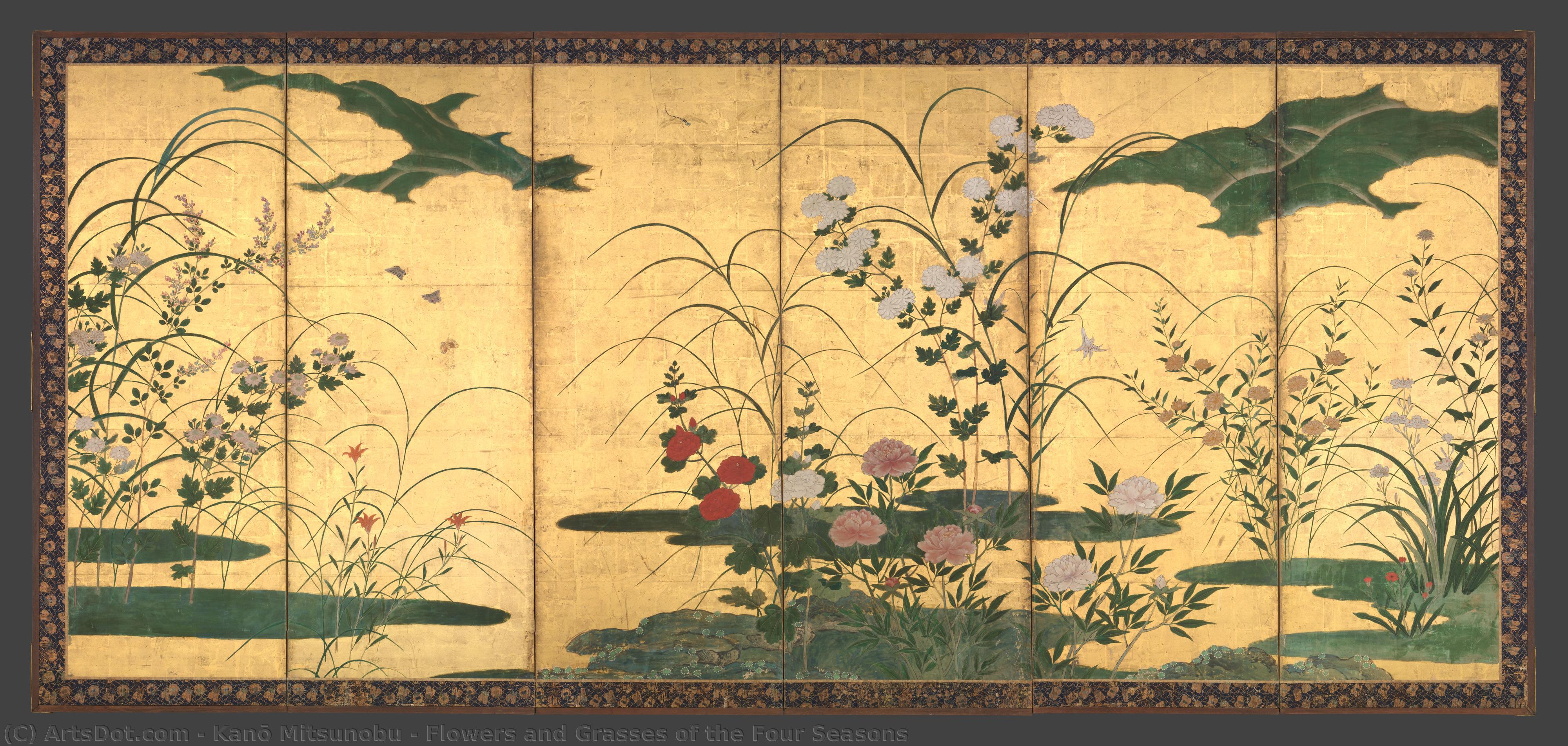
Flowers and Grasses of the Four Seasons (501) od Kanō Mitsunobu

Flowers and Grasses of the Four Seasons

501

Flowers and Grasses of the Four Seasons is a lyrical variation of the common theme of Flowers and Birds of the Four Seasons. This work was painted by Kanō Mitsunobu, a prominent figure of the Kanō school. He was the son of Kanō Eitoku and carried forward a significant artistic legacy. Born in Yamashiro Province, Japan, in 1561, he lived until 1608.

2
The Return to Court of the Four Graybeards of Mount Shang (left); Su Shi’s Visit to the Wind and Water Cave (right (501) od Kanō Mitsunobu

The Return to Court of the Four Graybeards of Mount Shang (left); Su Shi’s Visit to the Wind and Water Cave (right

501 · Ink

The Return to Court of the Four Graybeards of Mount Shang (left); Su Shi’s Visit to the Wind and Water Cave (right) by Kanō Mitsunobu presents two distinct narratives. On the right, the scene depicts the future Emperor Hui of the Han dynasty. A group of men walks along a beach, their backs turned to the viewer as they move through the landscape. Nearby, two men stand together, their gazes…

Muzea, v nichž jsou vystavena originálna umělce Kanō Mitsunobu

Muzeum s největším počtem obrazů na této stránce.

Muzeum Město Díla autora Kanō Mitsunobu Obrazy z tohoto seznamu
Clevelandské muzeum umění, ClevelandClevelandské muzeum umění Cleveland 1 Birds and Flowers

Obrazy umělce Kanō Mitsunobu: odpovědi galerie

Který obraz autora Kanō Mitsunobu je nejslavnější ze všech?Odhalit odpověď

Flowers and Grasses of the Four Seasons (501). Následují The Return to Court of the Four Graybeards of Mount Shang (left); Su Shi’s Visit to the Wind and Water Cave (right (501) a Birds and Flowers.

Kolik děl vytvořil/a Kanō Mitsunobu?Odhalit odpověď

Náš katalog obsahuje 3 děl od Kanō Mitsunobu.

Kde jsou vystavena nejznámější originály umělce Kanō Mitsunobu?Odhalit odpověď

Většinou v Clevelandské muzeum umění (Cleveland). V tabulce muzeí výše jsou vypsány všechny.

Kanō Mitsunobu: umělec

biography and artistic style

kanō mitsunobu, a prominent figure in the kanō school of japanese painting, was born in 1565 in kyoto, japan. as the son of kanō eitoku, mitsunobu was destined to carry on the family's artistic legacy. he became an influential artist in his own right, known for his mastery of the fundamental kanō school style and his unique expression of delicate, elegant, and gentle lightness.

artistic contributions

mitsunobu's color paintings, often featuring flowers, trees, and similar subjects, made extensive use of gold-leaf, characteristic of the kanō school. his work can be seen in various kyoto palaces and temples, including the kyoto imperial palace. notably, his style is also reflected in lacquer decoration at the mausoleum of warlord toyotomi hideyoshi in kyoto's kōdaiji temple.

notable works and collaborations

* flowers and grasses of the four seasons: a lyrical variation of a common theme, featuring delicately rendered insects amidst kerria roses, peonies, chrysanthemums, and bush clover. * collaboration with his father on major castles and palaces, including azuchi castle, osaka castle, and kyoto gosho.

legacy and influence

mitsunobu's work can be found in various collections, including the metsūji temple and the metropolitan museum of art. his legacy continues to inspire artists and art enthusiasts alike. important dates: * born: 1565, kyoto, japan * died: 1608 * notable collaborations and commissions: late 16th century museum collections: artistic style: delicate, elegant, and gentle lightness, characteristic of the kanō school.