Portrét Josef Danhauser

42 nejslavnějších obrazů autora Josef Danhauser, výběr z galerie

Aktualizováno listopad 2026 · seřazeno podle našeho skóre popularity (vyhledávání, návštěvy a objednávky u každého díla) · 43 děl umělce Josef Danhauser v našem katalogu

Stručně řečeno

Z všech originálů, které Josef Danhauser zanechal, je nejslavnější Liszt Fantasizing at the Piano. Hned za ním následují The Scholars' Room (1842) a Portrait of the Piano-Manufcturer Konrad Graf (1840). Náš katalog obsahuje 43 děl umělce Josef Danhauser; galerie si zachovala 42 děl, která obdivuje celý svět, přičemž každé je znázorněno s datem vzniku, názevem muzea a jeho příběhem.

1805 – 1845, Vídeň Biedermeier Nejvíce děl: Rakouská galerie Belvedere

10 nejlepších obrazů umělce Josef Danhauser: výběr galerie

1
Liszt Fantasizing at the Piano od Josef Danhauser

Liszt Fantasizing at the Piano

Oil On Panel

In the heart of 19th-century Vienna, where the air was often thick with the scent of coffee and the echoes of burgeoning Romanticism, Josef Franz Danhauser captured a moment of pure, unadulterated musical transcendence. His masterpiece, Liszt Fantasizing at the Piano, is far more than a mere depiction of a social gathering; it is a window into a vanished era of elegance and artistic fervor. As we gaze upon the…

2
The Scholars' Room (1842) od Josef Danhauser

The Scholars' Room

1842 · Painting · Rakouská galerie Belvedere, Vídeň

The scene captured in this evocative depiction, "The Scholars' Room," invites the viewer into an intimate moment suspended outside the rush of time. It is a tableau vivant of intellectual pursuit, where the weight of accumulated knowledge seems to mingle with the gentle murmur of conversation. One cannot help but feel the palpable atmosphere of deep contemplation emanating from the gathering. The composition centers around a table laden not just…

3
Portrait of the Piano-Manufcturer Konrad Graf (1840) od Josef Danhauser

Portrait of the Piano-Manufcturer Konrad Graf

The artwork is titled Portrait of the Piano-Manufcturer Konrad Graf. It was painted by the artist Josef Danhauser. The subject of this oil painting is Konrad Graf, a man who was one of Vienna's most outstanding piano-manufacturers during the early nineteenth century. This portrait was commissioned by Graf in 1840, a year when he acted as a patron to contemporary artists such as Josef Danhauser.

4
Wallstein's Grave (1828) od Josef Danhauser

Wallstein's Grave

1828 · Oil On Canvas

In Wallstein's Grave, Josef Danhauser captures a moment of profound stillness following the chaos of conflict. The scene unfolds in a pastoral landscape where the weight of tragedy hangs heavy in the air. A fallen soldier lies prone in the foreground, his white, shroud-like clothing stark against the earthy tones of the terrain. Over him, a chestnut horse stands in a posture of quiet mourning, nudging the fallen man in…

5
The Sleeping Painter in the Studio (1830) od Josef Danhauser

The Sleeping Painter in the Studio

1830 · Oil On Canvas

Created in 1830, this piece reflects the Biedermeier spirit through its focus on the beauty of the everyday and the quietude of domestic or private life. It moves away from the grandiosity of historical portraiture to find meaning in a simple, unposed moment. The painting avoids the theatrical, opting instead for a realistic approach that captures the subtle nuances of human existence. There is a certain gravity in this repose,…

6
Funny Scene in the Studio (1829) od Josef Danhauser

Funny Scene in the Studio

1829 · Oil On Canvas

The scene unfolds within the chaotic confines of an artist's workspace in Funny Scene in the Studio. Painted by Josef Danhauser, this oil on canvas captures a sudden, humorous mishap that disrupts the quiet order of the room. A person, a dog, and a large easel find themselves caught in a moment of unexpected disorder, freezing a split second of comedy in time. The energy of the accident ripples through…

7
Self-portrait (1830) od Josef Danhauser

Self-portrait

1830 · Oil On Canvas

A young man is captured in a three-quarter view, his gaze directed toward the viewer with a composed, steady expression. The portrait, rendered in a realistic academic style, emphasizes the quiet refinement of the Biedermeier era. Light enters from the upper left, casting soft shadows across the contours of the face and creating a sense of three-dimensional form through a controlled chiaroscuro effect. The subject is positioned against a dark,…

8
Portrait of a Young Woman (1830) od Josef Danhauser

Portrait of a Young Woman

1830 · Oil On Canvas

The portrait painting titled 'Portrait of a Young Woman' was created by the artist Josef Danhauser. This work dates to 1830. The subject is presented in a bust-length composition, positioned centrally within the frame. The figure faces slightly toward the viewer's left, while the gaze is directed forward toward the observer.

9
Poor (young) Painter in a Cottage Studio (1831) od Josef Danhauser

Poor (young) Painter in a Cottage Studio

1831 · Oil

In Poor (young) Painter in a Cottage Studio, Josef Danhauser presents a melancholic and intimate monochrome scene set within a cluttered, dimly lit attic studio. The composition centers on the seated figure of the painter, positioned slightly off-center amidst the remnants of his craft. A grayscale palette defines the space, utilizing a wide range of tones from deep blacks in the shadows to bright whites where light enters through a…

10
Portrait of a Woman (1836) od Josef Danhauser

Portrait of a Woman

1836 · Oil On Canvas

This oil on canvas painting, titled Portrait of a Woman, was executed by the Austrian artist Josef Danhauser in 1836. It is a quiet study of a female subject, presented in a profile view that emphasizes the stillness of the moment. The work belongs to the genre of portraiture, capturing a specific presence through the careful application of pigment on the canvas.

Výběr umělce Josef Danhauser pokračuje, od 11 do 42

Slavná díla Josef Danhauser podle jednotlivých období

Motivy, které zaujaly Josef Danhauser

Čtyři témata, která se v těchto originálech nejčastěji objevují, z nichž každé má svůj nejlepší příklad.

Muzea, v nichž jsou vystavena originálna umělce Josef Danhauser

6 muzea, v nichž je umístěno nejvíce obrazů z této stránky.

Muzeum Město Díla autora Josef Danhauser Obrazy z tohoto seznamu
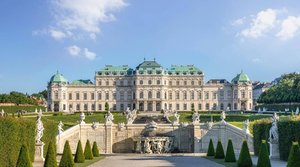
Rakouská galerie Belvedere, VídeňRakouská galerie Belvedere Vídeň 2 The Scholars' Room, Mother Love (also known as Mutterliebe)
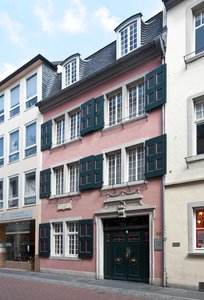
Beethoven-Haus Bonn, BonndBeethoven-Haus Bonn Bonnd 2 Beethoven, Ludwig van Beethoven
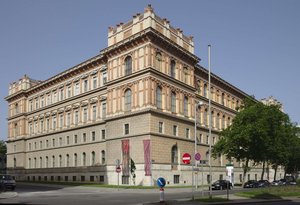
Akademie výtvarních umění Praha, VídeňAkademie výtvarních umění Praha Vídeň 1 Portrait of the Piano-Manufcturer Konrad Graf
Szépművészeti Múzeum, BudapešťSzépművészeti Múzeum Budapešť 1 Siesta (The Sleepers)
Residenzgalerie, SalzburgResidenzgalerie Salzburg 1 The Widow's Offering
Alte Nationalgalerie, BerlínAlte Nationalgalerie Berlín 1 Liszt at the Piano

Josef Danhauser dekáda po dekádě: originální díla, která definují každou z nich

Díla podle dekád

Vyberte si dekádu a prohlédněte si originál, který ji definuje.

Otázky sběratelů o obrazech umělce Josef Danhauser

Kterým dílem je Josef Danhauser nejznámější?Odhalit odpověď

Liszt Fantasizing at the Piano. Následují The Scholars' Room (1842) a Portrait of the Piano-Manufcturer Konrad Graf (1840).

Kterých deset nejslavnějších obrazů má Josef Danhauser?Odhalit odpověď

Liszt Fantasizing at the Piano, The Scholars' Room, Portrait of the Piano-Manufcturer Konrad Graf, Wallstein's Grave, The Sleeping Painter in the Studio, Funny Scene in the Studio, Self-portrait, Portrait of a Young Woman, Poor (young) Painter in a Cottage Studio a Portrait of a Woman. Hodnocení výše uvádí rok a muzeum pro každé z nich.

Kolik obrazů zanechal(a) Josef Danhauser?Odhalit odpověď

Náš katalog obsahuje 43 děl umělce Josef Danhauser z let 1827 až 1844.

Ve kterých muzeích jsou vystavena díla mistrovská umělce Josef Danhauser?Odhalit odpověď

Většinou v Rakouská galerie Belvedere (Vídeň), Beethoven-Haus Bonn (Bonnd) a Akademie výtvarních umění Praha (Vídeň). V tabulce muzeí výše jsou vypsány všechny.

V jakých letech namaloval Josef Danhauser svá nejznámější díla?Odhalit odpověď

V období 1830s: 14 z celkem 42 děl na této stránce vzniklo právě tehdy, z toho The Sleeping Painter in the Studio z nich.

Jaká jsou první a poslední slavná originální díla umělce Josef Danhauser?Odhalit odpověď

Na této stránce je nejstarší dílo z Ludwig van Beethoven (1827) a nejnovější z Social Scene (1844).

Jaká témata si Josef Danhauser vybíral nejčastěji?Odhalit odpověď

Man (10), Woman (8) a People (6) napříč 42 díly na této stránce.

Kterou techniku používal(a) Josef Danhauser nejčastěji?Odhalit odpověď

Oil On Canvas, u 10 z 42 děl na této stránce.

K kterému uměleckému směru patří Josef Danhauser?Odhalit odpověď

Biedermeier, podle originálů na této stránce.

Která díla umělce Josef Danhauser jsou vystavena v Rakouská galerie Belvedere?Odhalit odpověď

The Scholars' Room a Mother Love (also known as Mutterliebe): muzeum Rakouská galerie Belvedere, Vídeň má v obsluze 2 děl z této stránky.

Josef Danhauser: život a dílo

Život zachycený v duchu období Biedermeier

Narodil se ve Vídni a Josef Danhauser se vyvinul jako významná postava Rakouského impéria, která po sobě zanechala odkaz hluboce odrážející období Biedermeier. Jako syn sochaře a nábytkového výrobce, Josepha Ulricha Danhausera, byl jeho raný umělecký talent pěstován přímo v rukou jeho otce. Tento základ v řemeslné zručnosti a designu pravděpodobně ovlivnil preciznost, kterou nacházíme v jeho pozdějších dílech. Jeho cesta chodbami Vídeňské akademie výtvarných umění mu umožnila zdokonalit své dovednosti pod vedením mistrů jako Johann Peter Krafft, čímž připravila půdu pro kariéru, která se bude pohybovat mezi tichou intimitou domácích scén a hlubokou vážností historické portrétní tvorby.

Jeho život nebyl pouze obdobím samotné tvorby, ale byl také provázán pracovitým duchem jeho éry. Po otcově úmrtí se Danhauser ocitl v roli správce rodinné nábytkové továrny spolu se svými bratry. Toto období zapojení do moderního designu sloužilo jako krátká přestávka v jeho malířské kariéře, přesto nepochybně přispělo k estetické citlivosti, která později definovala jeho žánrová díla. Jeho cesty přes Benátky a Prahu dále obohatily jeho vizuální slovník a umožnily mu vstřebat vliv italských mistrů a integrovat širší evropskou perspektivu do svých rakouských kořenů.

Mistrovství žánru a emocí

Danhauserovo umění je možná nejvíce oslavováno pro jeho schopnost zachytit jemné nuance lidské existence. Specializoval se na žánrová díla, která často obalovala každodenní scény morálním podtónem a narativní hloubkou připomínající styl Williama Hogartha. Jeho obrazy často zvoují diváka do tichých, kontemplativních prostor – ať už jde o intelektuální útočiště v díle Studovny nebo o klidnou, sluncem zalitou trvalost v obraze Siesta (Spící). V těchto dílech využíval jemné palety barev a mistrovské tónové stínování k vyvolání pocitu tepla, spoleteřství a jemného plynutí času.

Mimo domácí sféru possessed Danhauser neuvěřitelnou schopnost zachytit podstatu velikosti. Jeho portrét Beethovena stojí jako důkaz jeho mistrovství v romantickém impresionismu, kdy se vyrovnal nejen s prostým podobenstvím, ale dokázal vyjádřit psychologickou intenzitu a vznešenou důstojnost legendárního skladatele. Díky pečlivému využití světla a stínu rzezboval formu i emoce a vytvářel díla, která rezonují aurou introspekce. Ať už zachycoval hudební transcendenci v obraze Liszt se představuje u klavíru nebo temnou realitu na posledním lůžku, Danhauserův štětec zachytil samotný puls romantismu 19. století.

Odkaz a umělecký význam

Ačkoliv mnoho jeho prací zůstalo za jeho vlastního života víceméně neuznáváno, historický význam Josefa Danhausera spočívá v jeho roli jako esenciálního kronikáře své doby. Jeho přínos k hnutí Biedermeier pomohl definovat éru charakterizovanou nenápadnou elegancí a zaměřením na krásu každodennosti. Jeho úspěchy, včetně získání ceny Vídeňské akademie za dílo Vytržení Hagary a funkce vicekánclíře Akademie, podtrhují jeho postavení v umělecké komunitě Vídně.

Trvalou přitažlivost jeho díla lze nalézt v několika klíčových prvcích:

  • Narativní hloubka: Jeho schopnost vtáknout morální témata do zdánlivě jednoduchých domácích scén.
  • Technická všestrannost: Mistrovství sahající od jemných pastelových odstínů jeho krajin až po ostré, dramatické chiaroscuro jeho portrétů.
  • Kulturní propojení: Jeho jedinečné postavení na průsečíku hrubého umění, nábytkového designu a nastupujícího romantického hnutí.