Menu
BEZPLATNÉ UMĚLECKÉ PORADENSTVÍ

1823 - 1907

Stručné informace

  • Works on APS: 4
  • Top 3 works:
    • Untitled (DD2CLR)
    • Untitled (DD2CJ4)
    • Untitled (DD2CJ8)
  • Top-ranked work: Untitled (DD2CLR)
  • Nationality: Portugal
  • Died: 1907
  • Born: 1823, Lisbon, Portugal
  • Více informací…
  • Copyright status: Public domain
  • Art period: 19th Century
  • Lifespan: 84 years
  • Museums on APS:
    • Instituto Moreira Salles
    • Instituto Moreira Salles
    • Instituto Moreira Salles
    • Instituto Moreira Salles
    • Instituto Moreira Salles
  • Also known as:
    • Bocage
    • Francisco du
    • Jose Vicente Barbosa du Bocage

Kvíz o umění

U každé otázky je pouze jedna správná odpověď.

Otázka 1:
José Vicente Barbosa du Bocage is best known for his contributions to which field?
Otázka 2:
Bocage's zoological work primarily focused on the fauna of which continent?
Otázka 3:
Besides his scientific pursuits, Bocage was also actively involved in what other area?
Otázka 4:
What position did Bocage hold at the National Museum of Lisbon?
Otázka 5:
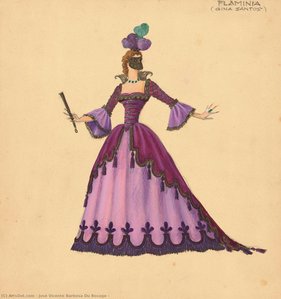
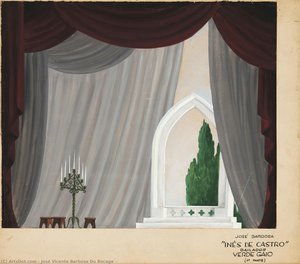
Bocage also demonstrated artistic talent through illustrations, one notable example being a design for what?

A Life Bridging Science and Art: The World of José Vicente Barbosa du Bocage

José Vicente Barbosa du Bocage, a name resonating through 19th-century Portugal, was far more than simply a zoologist or politician. Born in Lisbon on May 2nd, 1823, and passing away in the same city on December 3rd, 1907, he embodied a fascinating intersection of scientific rigor, political engagement, and unexpected artistic talent. His life story is one of dedication to understanding the natural world, coupled with a commitment to shaping his nation’s future – all while harboring a creative spirit that found expression in delicate illustrations and early photographic explorations. Bocage wasn't confined by disciplinary boundaries; he moved fluidly between the laboratory, the parliamentary halls, and the artist’s studio, leaving behind a legacy as multifaceted as the African fauna he so meticulously studied.

From Zoological Taxonomy to Colonial Ambitions

Bocage’s primary claim to fame rests firmly within the realm of zoology, specifically his groundbreaking work on African wildlife. He dedicated much of his career to classifying and describing species collected during expeditions, most notably those brought back by José Alberto de Oliveira Anchieta from Angola. This focus was somewhat unusual for European scientists of the time, positioning Bocage as a pioneer in the study of that continent’s biodiversity. His taxonomic expertise was considerable; he meticulously described numerous new species, significantly advancing scientific understanding of various animal groups and contributing to the broader field of natural history. However, his work wasn't purely academic. It was deeply intertwined with Portugal’s colonial ambitions. Bocage believed that a thorough understanding of Africa’s natural resources would strengthen Portugal’s claim to its colonies, and he actively used his scientific authority to advocate for increased Portuguese presence on the continent. This connection between science and imperial policy is a crucial aspect of understanding his life and work. He directed the National Museum of Lisbon, facilitating research and preserving invaluable natural history collections, solidifying his influence within Portugal’s scientific community and beyond.

A Political Life in Service to Portugal

Beyond the meticulous world of taxonomy, Bocage was an active participant in Portuguese politics. While details of his political career are less extensively documented than his zoological achievements, he held positions demonstrating a clear commitment to national affairs and public service. He served as Minister of Navy and Overseas Territories in 1883, and later as Minister for Foreign Affairs from 1883-1886 and again in 1890. These roles allowed him to directly influence colonial policy and advocate for Portugal’s interests on the international stage. His diplomatic skills were highly regarded, particularly during negotiations surrounding the infamous “Rose-Coloured Map,” a Portuguese attempt to link its colonies in Angola and Mozambique – a plan ultimately thwarted by British opposition. He also served as president of the Lisbon Geographical Society, highlighting his interest in exploration and geographical knowledge, further cementing his position as a prominent figure in Portuguese society. Bocage was awarded the Order of Saint Michael of the Wing, a prestigious honor recognizing his contributions to the nation.

Unexpected Artistic Expressions: Beyond Science and Politics

While celebrated for his scientific and political endeavors, José Vicente Barbosa du Bocage possessed an artistic sensibility that often goes unnoticed. He demonstrated considerable talent through illustrations, offering unique insights into his scientific observations and revealing a creative dimension beyond his established roles. A particularly striking example is his 1955 illustration of a dramatic flamenco dancer’s costume design – a surprising departure from his usual subject matter. This artwork showcases Art Deco elegance and intricate details rendered in pen and ink and watercolor, demonstrating a refined aesthetic sensibility. Furthermore, Bocage experimented with panoramic photography, creating images like “Santa Rita,” depicting sailing ships. These early photographic explorations reveal an interest in emerging technologies and a desire to capture the world around him through different artistic mediums. This blending of scientific observation and artistic expression is what makes Bocage such a compelling figure; he wasn’t simply documenting nature, but interpreting it through his own unique lens.

A Lasting Legacy: Science, Politics, and Artistic Curiosity

José Vicente Barbosa du Bocage's legacy remains multifaceted and significant. He stands as a pivotal figure in Portuguese science, particularly for his contributions to the taxonomy of African fauna during a period when such research was relatively nascent. His work expanded European understanding of biodiversity beyond its own borders and laid the groundwork for future studies. Moreover, his political involvement reflects his dedication to public service and his commitment to shaping Portugal’s destiny. While some aspects of his life and career remain less explored, Bocage’s combined achievements as a scientist, politician, and artist solidify his place in 19th-century Portuguese history. He serves as a reminder that intellectual pursuits are rarely confined by disciplinary boundaries and that true innovation often arises from the intersection of seemingly disparate fields. His life is a testament to the power of curiosity, dedication, and the enduring human desire to understand – and represent – the world around us.