Portrét John Wilson

20 nejslavnějších obrazů autora John Wilson, každý naprosto unikátní

Aktualizováno říjen 2026 · seřazeno podle našeho skóre popularity (vyhledávání, návštěvy a objednávky u každého díla) · 20 děl umělce John Wilson v našem katalogu

Stručně řečeno

Port Scene (1855) je obraz autora John Wilson, který přitahuje nejvíce pohledů. Poté se zrak přesouvá k Fair on the Town Moor, Newcastle (1810) a Shipping off the Coast. Z 20 děl umělce John Wilson v našem katalogu je těchto 20 těch nejznámějších; každé z nich je unikátním originálem s uvedením roku vzniku, muzea a důvodu jeho nesmrtelnosti.

1774 – 1855 Romanticism Nejvíce děl: Wolverhampton Art Gallery

Top 10 obrazů autora John Wilson podle výběru galerie

Slavná díla umělce John Wilson, čísla 11 až 20

Muzea, v nichž jsou vystavena originálna umělce John Wilson

8 muzea, v nichž je umístěno nejvíce obrazů z této stránky.

Muzeum Město Díla autora John Wilson Obrazy z tohoto seznamu
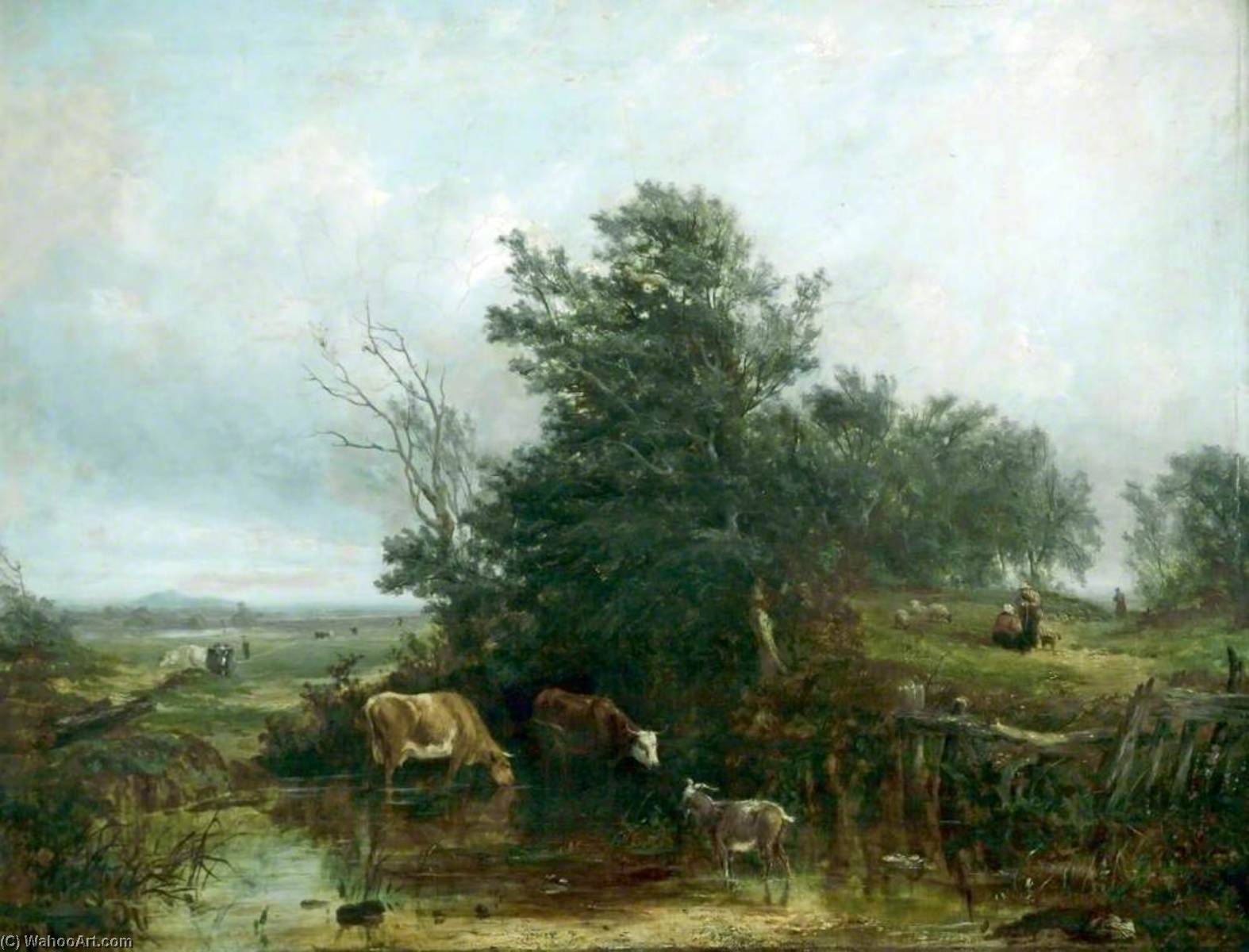
Wolverhampton Art Gallery, WolverhamptonWolverhampton Art Gallery Wolverhampton 3 Wreck off Folkestone, Landscape with Figures, Approaching Storm, Entrance to the Firth of Forth
Laing Art Gallery, Newcastle upon TyneLaing Art Gallery Newcastle upon Tyne 2 Fair on the Town Moor, Newcastle, St Nicholas Church, Newcastle upon Tyne
Scottish National Gallery, EdinburghScottish National Gallery Edinburgh 2 A Coastal Scene Between Nieuport and Ostend, A Ferry Boat on the Maas
Národní Muzeum, BristolNárodní Muzeum Bristol 1 Shipping off the Coast
Folkestone Library – History Resource Centre, FolkestoneFolkestone Library – History Resource Centre Folkestone 1 After the Storm
Fishing Heritage Centre, GrimsbyFishing Heritage Centre Grimsby 1 Small Ships and Boats off the Coast
National Maritime Museum, LondýnNational Maritime Museum Londýn 1 Paddle Steamer ‘Dumbarton Castle’ in the Clyde off Dumbarton Rock
Leeds Art Gallery, LeedsLeeds Art Gallery Leeds 1 Coast Scene with Fishing Boats

John Wilson napříč desetiletími: jeden unikátní originál pro každou dekádu

Díla podle dekád

Vyberte si dekádu a prohlédněte si originál, který ji definuje.

Obrazy umělce John Wilson: dotazy pro galerii

Kterým nejznámějším dílem je John Wilson?Odhalit odpověď

Port Scene (1855). Následují Fair on the Town Moor, Newcastle (1810) a Shipping off the Coast.

V jakém věku vytvořil(a) John Wilson dílo Port Scene?Odhalit odpověď

81 let: dílo Port Scene pochází z roku 1855 a John Wilson se narodil/a v roce 1774.

Kterých deset obrazů autora John Wilson je nejznámějších?Odhalit odpověď

Port Scene, Fair on the Town Moor, Newcastle, Shipping off the Coast, After the Storm, A Coastal Scene Between Nieuport and Ostend, A Ferry Boat on the Maas, Small Ships and Boats off the Coast, Sea Piece, On the Scheldt a A Shady Stream. Hodnocení výše uvádí rok a muzeum pro každé z nich.

Kolik známých děl má autor John Wilson?Odhalit odpověď

Náš katalog obsahuje 20 děl umělce John Wilson z let 1800 až 1855.

Kde lze vidět nejznámější originály umělce John Wilson?Odhalit odpověď

Většinou v Wolverhampton Art Gallery (Wolverhampton), Laing Art Gallery (Newcastle upon Tyne) a Scottish National Gallery (Edinburgh). V tabulce muzeí výše jsou vypsány všechny.

V jakém období vytvořil(a) John Wilson svá nejznámější obrazy?Odhalit odpověď

V období 1810s: 2 z celkem 20 děl na této stránce vzniklo právě tehdy, z toho Fair on the Town Moor, Newcastle z nich.

Který slavný obraz od John Wilson je nejstarší a který nejnovější?Odhalit odpověď

Na této stránce je nejstarší dílo z After the Storm (1800) a nejnovější z Port Scene (1855).

K kterému směru patří dílo umělce John Wilson?Odhalit odpověď

Romanticism, podle originálů na této stránce.

Jaká originální díla John Wilson mohu vidět v Wolverhampton Art Gallery?Odhalit odpověď

Wreck off Folkestone, Landscape with Figures a Approaching Storm, Entrance to the Firth of Forth: muzeum Wolverhampton Art Gallery, Wolverhampton má v obsluze 3 děl z této stránky.

John Wilson: portrét umělce

Early Life and Artistic Beginnings

John H. “Old Jock” Wilson, born in Ayr, Scotland, in 1774, emerged from a background steeped in the practicalities of maritime life—his father was a merchant sea captain. This early connection to the ocean would profoundly shape his artistic trajectory, imbuing his later works with an authenticity and emotional resonance rarely found in purely academic landscapes. Initially destined for a trade, Wilson’s path took an unexpected turn when he apprenticed as a house painter in Edinburgh at the young age of thirteen. However, it was under the tutelage of Alexander Nasmyth, a prominent Scottish landscape artist, that his true vocation began to blossom. For two years, Wilson honed his skills in Montrose, painting evocative scenes and sharing his burgeoning talent by teaching drawing—a testament to his natural inclination for both creation and instruction.

London and the Rise to Prominence

The allure of London beckoned in 1798, a city brimming with artistic opportunity. Wilson initially found work as a scenery painter for Astley’s Amphitheatre and other theatres, a demanding role that nevertheless sharpened his observational skills and mastery of atmospheric perspective. This period proved crucial in developing his ability to capture dramatic light and movement—qualities that would become hallmarks of his mature style. From 1807 onwards, Wilson consistently exhibited at the Royal Academy, showcasing seventy-six paintings over the course of four decades. He also maintained a prolific presence at the British Institution between 1813 and 1854 with an impressive one hundred and forty-four exhibits. His dedication to exhibiting established him within the London art world, garnering recognition for his increasingly sophisticated depictions of coastal scenes and landscapes.

A Master of Marine Painting

Wilson’s artistic focus centered on the raw beauty and untamed power of the sea. He wasn't merely documenting coastlines; he was capturing a feeling—the chill spray of waves, the brooding presence of storm clouds, the delicate interplay of light on water. His paintings often featured small ships battling choppy seas, evoking both the vulnerability and resilience of human endeavor against the forces of nature. This realism, combined with a romantic sensibility, resonated deeply with audiences. In 1825, he received a prestigious premium from the British Institution for *The Battle of Trafalgar*, a work that was subsequently acquired by Lord Northwick—a clear indication of his growing reputation and artistic merit. The painting’s eventual allocation to East Ayrshire Council in 2010 ensured its continued public accessibility, allowing future generations to appreciate Wilson's skill.

Founding the Society of British Artists

Wilson wasn’t content simply to exhibit within established institutions; he actively sought to create new avenues for artistic expression. He was a founding member of the Society of British Artists in 1823, an organization dedicated to promoting the work of British artists independent of the Royal Academy's often-conservative standards. His commitment to this society culminated in his presidency in 1827—a testament to his leadership and influence within the artistic community. Simultaneously, he was elected as an honorary member of the Scottish Academy, further solidifying his position as a respected figure on both sides of the border.

A Legacy Continued Through Generations

John Wilson’s impact extended beyond his own prolific output; he fostered a family tradition of artistic excellence. His son, John James Wilson (known as “Young Jock”), followed in his father's footsteps and became a painter himself. Even further down the line, his grandson, William John Wilson, continued the lineage as a theatre scene painter and manager—a direct continuation of the profession that had launched his grandfather’s career. This multi-generational dedication speaks volumes about Wilson’s enduring influence and the profound impact he had on those around him. His works continue to captivate viewers with their evocative power, offering a glimpse into the beauty and drama of 19th-century coastal life—a legacy that endures through time.