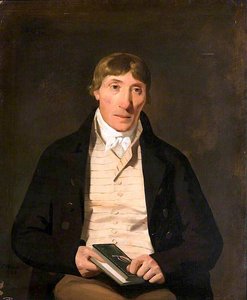
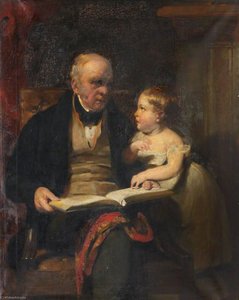
Portrét Sir John Watson Gordon

100 nejslavnějších obrazů autora Sir John Watson Gordon, výběr z galerie

Aktualizováno listopad 2026 · seřazeno podle našeho skóre popularity (vyhledávání, návštěvy a objednávky u každého díla) · 202 děl umělce Sir John Watson Gordon v našem katalogu

Stručně řečeno

Z všech originálů, které Sir John Watson Gordon zanechal, je nejslavnější Sir Walter Scott, 1771 - 1832. Novelist and poet (1830), který se nachází ve sbírce Scottish National Portrait Gallery, Edinburgh. Hned za ním následují Mr Kippen (1810) a Roderick Gray (1788 - 1858) (1854). Náš katalog obsahuje 202 děl umělce Sir John Watson Gordon; galerie si zachovala 100 děl, která obdivuje celý svět, přičemž každé je znázorněno s datem vzniku, názevem muzea a jeho příběhem.

1788 – 1864, Edinburgh Nejvíce děl: Scottish National Portrait Gallery

10 nejlepších obrazů umělce Sir John Watson Gordon: výběr galerie

1
Sir Walter Scott, 1771 - 1832. Novelist and poet (1830) od Sir John Watson Gordon

Sir Walter Scott, 1771 - 1832. Novelist and poet

1830 · Oil On Canvas · Scottish National Portrait Gallery, Edinburgh

The oil on canvas work titled Sir Walter Scott, 1771 - 1832. Novelist and poet was executed by the artist John Watson Gordon in 1830. This portrait depicts the subject, Sir Walter Scott, who was a novelist and poet. The painting was commissioned by Robert Cadell for the 'Magnum Opus' edition of the Waverley Novels, which was produced between 1829 and 1833.

2
Mr Kippen (1810) od Sir John Watson Gordon

Mr Kippen

1810 · Oil On Canvas · Scottish National Gallery, Edinburgh

To stand before Mr Kippen is to step directly into the refined drawing rooms of early nineteenth-century Britain. Painted in 1810 by Sir John Watson Gordon, this portrait transcends a mere likeness; it is a carefully constructed document of status, intellect, and quiet assurance. The gentleman depicted sits with an air of composed gravity, his presence commanding yet utterly natural. Gordon masterfully captures the essence of the era’s gentry—a class…

3
Roderick Gray (1788 - 1858) (1854) od Sir John Watson Gordon

Roderick Gray (1788 - 1858)

1854 · Oil On Canvas · Scottish National Gallery, Edinburgh

A formal mid-19th-century oil portrait, this work presents an elderly man in a three-quarter length composition. The subject is positioned slightly off-center, lending a sense of physical weight to his presence. Dark browns, blacks, and deep umbers dominate the palette, creating a monochromatic environment that allows the warm flesh tones of the face and hands to emerge from the shadows. Directional lighting from the upper left casts much of the…

4
The Prince of Wales (King Edward VII) (1860) od Sir John Watson Gordon

The Prince of Wales (King Edward VII)

1860 · Oil On Canvas · Smithsonian American Art Museum, Washington, D.C.

A young man sits in the quiet gravity of 1860. He is draped in a military tunic of saturated red, a color that pulls the eye away from the surrounding gloom. A blue sash cuts a sharp, diagonal path across his chest, slicing through the warmth of the fabric. Light falls heavily upon his face and the gold embroidery of his collar, leaving the edges of his figure to dissolve…

5
Anne Sherriff (1866–1781) (later Mrs Charles Young) (1835) od Sir John Watson Gordon

Anne Sherriff (1866–1781) (later Mrs Charles Young)

1835 · Oil

The portrait depicts a woman seated in a controlled environment. She wears a dark, black dress that absorbs much of the light, contrasted by a white hat positioned upon her head. In her hands, she holds a single piece of paper, her fingers positioned to grip its edges. The background is composed of heavy red curtains that hang in vertical folds, providing a deep color field behind the subject. The…

6
An English gentleman (1850) od Sir John Watson Gordon

An English gentleman

1850 · Oil On Canvas · Museo del Prado, Madrid

In "An English gentleman" by John Watson Gordon, the viewer meets a figure captured in a three-quarter length portrait. The subject sits slightly off-center, his body angled in a way that suggests a moment of quiet pause. He gazes toward the right of the frame, his eyes directed away from the viewer toward an unseen point in the distance. This eye-level perspective creates an intimate connection, as if one is…

7
William Ramsay; (1806-1865) (1800) od Sir John Watson Gordon

William Ramsay; (1806-1865)

1800 · Oil On Canvas · The Hunterian Museum and Art Gallery, Glasgow

The portrait captures a moment of intellectual repose. There is a sense of the man's inner life held within the tension of his gaze and the stillness of his posture. The shadows do not hide him; they define the contours of his character. He exists in a space of quiet contemplation, where the weight of the book and the darkness of the room suggest a life dedicated to the mind.…

8
Mrs Campbell (1819) od Sir John Watson Gordon

Mrs Campbell

1819 · Oil On Canvas · City Art Centre, Edinburgh

The oil on canvas painting titled Mrs Campbell was executed by the artist John Watson Gordon. This portrait, which dates to 1819, depicts a seated woman presented in a formal manner. The subject is shown from the upper body and shoulders, positioned against a dark, indistinct drapery that provides a subtle contrast to her attire.

9
Sir William Molesworth, 8th Bt (1854) od Sir John Watson Gordon

Sir William Molesworth, 8th Bt

1854 · Oil On Canvas · National Portrait Gallery, Londýn

In the quiet, commanding presence of Sir William Molesworth, 8th Bt, we encounter more than just a likeness; we enter the structured, dignified world of the mid-19th century. Painted in 1854 by the esteemed Scottish master Sir John Watson Gordon, this portrait serves as a profound window into an era defined by social hierarchy and the meticulous cultivation of character. The subject sits with a poised, centered gravity, his form…

10
Fox Maule (1801–1874), 11th Earl of Dalhousie, 2nd Baron Panmure, Parliamentarian (1821) od Sir John Watson Gordon

Fox Maule (1801–1874), 11th Earl of Dalhousie, 2nd Baron Panmure, Parliamentarian

1821 · Oil On Canvas · Scottish National Portrait Gallery, Edinburgh

The portrait presents a man of significant social standing, captured in a moment of formal composure. He is rendered in a traditional oil style, his figure centered against a dark, indistinct background that directs all attention to the subject's face and upper body. The lighting is directional, descending from the upper left to define the contours of his features and the heavy folds of his attire. His expression is one…

Výběr umělce Sir John Watson Gordon pokračuje, od 11 do 100

11Sir Walter Scott, 1771 - 1832. Novelist and poet (1830) od Sir John Watson GordonSir Walter Scott, 1771 - 1832. Novelist and poet1830 · Scottish National Portrait Gallery 12Elizabeth Galloway (or Grieve), of Sandyhills (1829) od Sir John Watson GordonElizabeth Galloway (or Grieve), of Sandyhills1829 13John Wilson (1829) od Sir John Watson GordonJohn Wilson1829 · National Portrait Gallery 14Henry Stephens, Agricultural Writer (1835) od Sir John Watson GordonHenry Stephens, Agricultural Writer1835 15Admiral Sir Peter Halkett of Pitferrane (1765–1839) (1837) od Sir John Watson GordonAdmiral Sir Peter Halkett of Pitferrane (1765–1839)1837 16Samuel Smith (1805–1873), Mayor of Bradford (1851–1854) (1854) od Sir John Watson GordonSamuel Smith (1805–1873), Mayor of Bradford (1851–1854)1854 17Sir William Fergusson (1808–1877), Surgeon (1850) od Sir John Watson GordonSir William Fergusson (1808–1877), Surgeon1850 · Scottish National Portrait Gallery 18David Macbeth Moir (1798–1851), Physician and Author (1850) od Sir John Watson GordonDavid Macbeth Moir (1798–1851), Physician and Author1850 · Scottish National Portrait Gallery 19Thomas Babington (1800–1859), 1st Baron Macaulay, Historian and Statesman (1850) od Sir John Watson GordonThomas Babington (1800–1859), 1st Baron Macaulay, Historian and Statesman1850 · Scottish National Portrait Gallery 20Roderick Gray (1788–1858) (1853) od Sir John Watson GordonRoderick Gray (1788–1858)1853 · The Merchant's Hall 21John Cruickshank, LLD (1861) od Sir John Watson GordonJohn Cruickshank, LLD1861 · University of Aberdeen 22James Frederick Ferrier (1863) od Sir John Watson GordonJames Frederick Ferrier1863 · University of St Andrews 23Mrs George Baird of Strichen (1862) od Sir John Watson GordonMrs George Baird of Strichen1862 24James David Forbes, FRSE (1861) od Sir John Watson GordonJames David Forbes, FRSE1861 · The Royal Society of Edinburgh 25Henry Philpott, Master (1859) od Sir John Watson GordonHenry Philpott, Master1859 · University of Cambridge Museums 26Sir William Brown (1784–1864) (1857) od Sir John Watson GordonSir William Brown (1784–1864)1857 · Walker Art Gallery 27Henry Stephens (1795–1874), Agricultural Writer (1860) od Sir John Watson GordonHenry Stephens (1795–1874), Agricultural Writer1860 · Scottish National Portrait Gallery 28Hon. James Wilson (1858) od Sir John Watson GordonHon. James Wilson1858 · National Portrait Gallery 29The Honourable Mrs Alexander Macalister (1843) od Sir John Watson GordonThe Honourable Mrs Alexander Macalister1843 30Thomas de Quincey, 1785 - 1859. Author and essayist (1846) od Sir John Watson GordonThomas de Quincey, 1785 - 1859. Author and essayist1846 · Scottish National Portrait Gallery 31Henry Pelham Fiennes Pelham Clinton (1811–1864), 5th Duke of Newcastle under Lyne (1855) od Sir John Watson GordonHenry Pelham Fiennes Pelham Clinton (1811–1864), 5th Duke of Newcastle under Lyne1855 · The University of Nottingham 32John Inglis (1854) od Sir John Watson GordonJohn Inglis1854 · University of Edinburgh Fine Art Collection 33Sir William Allan (1782–1850) (1844) od Sir John Watson GordonSir William Allan (1782–1850)1844 34John Conolly, M.D. (1794-1866) od Sir John Watson GordonJohn Conolly, M.D. (1794-1866)Auckland Art Gallery Toi o Tāmaki 35William Wood (1783–1858), FRCSEd (1805), PRCSEd (1822–1824), (1828–1830) od Sir John Watson GordonWilliam Wood (1783–1858), FRCSEd (1805), PRCSEd (1822–1824), (1828–1830)The Royal College of Surgeons of Edinburgh 36Dr James Hamilton od Sir John Watson GordonDr James HamiltonNhs Lothian 37The Flood Gate (1901) od Sir John Watson GordonThe Flood Gate1901 · Národní galerie Kanady 38Portrait of John Sanderson (1814) od Sir John Watson GordonPortrait of John Sanderson1814 · Národní galerie Kanady 39Mr Kippen (1810) od Sir John Watson GordonMr Kippen1810 · Scottish National Gallery 40John Hunter od Sir John Watson GordonJohn HunterUniversity of St Andrews 41The Laird of Cockpen and Mistress Jean od Sir John Watson GordonThe Laird of Cockpen and Mistress JeanMcmanus: Dundee's Art Galleries And Museums 42Reverend William Bagshaw (1763–1847), of Ford Hall (1815) od Sir John Watson GordonReverend William Bagshaw (1763–1847), of Ford Hall1815 · Buxton Museum - Art Gallery 43Carolina Oliphant (1766–1845), Lady Nairne, Songwriter (1818) od Sir John Watson GordonCarolina Oliphant (1766–1845), Lady Nairne, Songwriter1818 · Scottish National Portrait Gallery 44A Grandfather's Lesson (1831) od Sir John Watson GordonA Grandfather's Lesson1831 45James Hogg, Poet The Ettrick Shepherd (1830) od Sir John Watson GordonJames Hogg, Poet The Ettrick Shepherd1830 46Henry Scott, 3rd Duke of Buccleuch and 5th Duke of Queensberry, FRSE (1830) od Sir John Watson GordonHenry Scott, 3rd Duke of Buccleuch and 5th Duke of Queensberry, FRSE1830 · The Royal Society of Edinburgh 47John Hope, 4th Earl of Hopetoun (1824) od Sir John Watson GordonJohn Hope, 4th Earl of Hopetoun1824 48Alexander Dunlop of Keppoch (1766–1840) (1825) od Sir John Watson GordonAlexander Dunlop of Keppoch (1766–1840)1825 49Thomas Allan (1777–1833) (1824) od Sir John Watson GordonThomas Allan (1777–1833)1824 50Professor John Wilson (1785–1854), Author and Moral Philosopher (Nom de Plume Christopher North) (1829) od Sir John Watson GordonProfessor John Wilson (1785–1854), Author and Moral Philosopher (Nom de Plume Christopher North)1829 · Scottish National Portrait Gallery 51Sir Walter Scott (1771–1832), Novelist and Poet (1830) od Sir John Watson GordonSir Walter Scott (1771–1832), Novelist and Poet1830 · Scottish National Portrait Gallery 52A Grandfather's Lesson (1831) od Sir John Watson GordonA Grandfather's Lesson1831 · Royal Scottish Academy of Art - Architecture 53Return from a Foray (1827) od Sir John Watson GordonReturn from a Foray1827 · Scottish National Gallery 54Peter Spalding (c.1758–1826) (1826) od Sir John Watson GordonPeter Spalding (c.1758–1826)1826 · Scottish National Gallery 55John Hope (1765–1823), 4th Earl of Hopetoun (1824) od Sir John Watson GordonJohn Hope (1765–1823), 4th Earl of Hopetoun1824 · Abbotsford House 56Henry Scott (1746–1812), 3rd Duke of Buccleuch and 5th Duke of Queensberry, FRSE (after Thomas Frank Heaphy) (1830) od Sir John Watson GordonHenry Scott (1746–1812), 3rd Duke of Buccleuch and 5th Duke of Queensberry, FRSE (after Thomas Frank Heaphy)1830 · The Royal Society of Edinburgh 57Sir Daniel Keyte Sandford (1798–1838), Professor of Greek at the University of Glasgow (1821–1838) (1837) od Sir John Watson GordonSir Daniel Keyte Sandford (1798–1838), Professor of Greek at the University of Glasgow (1821–1838)1837 · The Hunterian Museum and Art Gallery 58Major General Sir Patrick Lindsay, Soldier (1835) od Sir John Watson GordonMajor General Sir Patrick Lindsay, Soldier1835 59Mrs Keith of Usan House, Montrose (1834) od Sir John Watson GordonMrs Keith of Usan House, Montrose1834 60David Cox (1783–1859), Landscape Painter (1835) od Sir John Watson GordonDavid Cox (1783–1859), Landscape Painter1835 · Scottish National Portrait Gallery 61The Honourable Sir Alexander Hope (1835) od Sir John Watson GordonThe Honourable Sir Alexander Hope1835 · West Lothian Council 62Reverend Thomas Chalmers (1780–1847), Preacher and Social Reformer (1838) od Sir John Watson GordonReverend Thomas Chalmers (1780–1847), Preacher and Social Reformer1838 · Scottish National Portrait Gallery 63Anne Grant of Laggan (1755–1838) (1837) od Sir John Watson GordonAnne Grant of Laggan (1755–1838)1837 64Sir Arthur Farquhar (1772–1843), Rear Admiral (1837) od Sir John Watson GordonSir Arthur Farquhar (1772–1843), Rear Admiral1837 · Scottish National Portrait Gallery 65Major General Sir Patrick Lindsay (1778–1839), Soldier (1835) od Sir John Watson GordonMajor General Sir Patrick Lindsay (1778–1839), Soldier1835 · Scottish National Portrait Gallery 66Robert Haldane (1772–1854) (1841) od Sir John Watson GordonRobert Haldane (1772–1854)1841 67Sir Hugh Lyon Playfair (1847) od Sir John Watson GordonSir Hugh Lyon Playfair1847 68Reverend Alexander Brunton (1772–1854) (1846) od Sir John Watson GordonReverend Alexander Brunton (1772–1854)1846 69George Thomson (1759–1851) (1842) od Sir John Watson GordonGeorge Thomson (1759–1851)1842 70Adam Black (1784–1874), Lord Provost of Edinburgh (1843–1848) (1847) od Sir John Watson GordonAdam Black (1784–1874), Lord Provost of Edinburgh (1843–1848)1847 71The Honourable Mrs Alexander Macalister (1843) od Sir John Watson GordonThe Honourable Mrs Alexander Macalister1843 72Patrick Fraser Tytler (1791–1849), Historian (1840) od Sir John Watson GordonPatrick Fraser Tytler (1791–1849), Historian1840 · Scottish National Portrait Gallery 73Reverend William Cunningham (1805–1861), Theologian (1844) od Sir John Watson GordonReverend William Cunningham (1805–1861), Theologian1844 · Scottish National Portrait Gallery 74Portrait of a Lady (1840) od Sir John Watson GordonPortrait of a Lady1840 · Scottish National Gallery 75Sir Thomas Makdougall Brisbane (1773–1860), Bt, FRSE (1848) od Sir John Watson GordonSir Thomas Makdougall Brisbane (1773–1860), Bt, FRSE1848 · The Royal Society of Edinburgh 76Thomas de Quincey (1785–1859), Author and Essayist (1846) od Sir John Watson GordonThomas de Quincey (1785–1859), Author and Essayist1846 · Scottish National Portrait Gallery 77Thomas de Quincey (1845) od Sir John Watson GordonThomas de Quincey1845 · National Portrait Gallery 78James Andrew Broun Ramsay, 1st Marquess of Dalhousie (1847) od Sir John Watson GordonJames Andrew Broun Ramsay, 1st Marquess of Dalhousie1847 · National Portrait Gallery 79Very Reverend Edward Bannerman Ramsay (1793–1872), Dean of Edinburgh (1841) od Sir John Watson GordonVery Reverend Edward Bannerman Ramsay (1793–1872), Dean of Edinburgh1841 · Scottish National Portrait Gallery 80David Cox (1783–1859) (1855) od Sir John Watson GordonDavid Cox (1783–1859)1855 · Birmingham Museum and Art Gallery 81John Inglis (1810–1891) (1854) od Sir John Watson GordonJohn Inglis (1810–1891)1854 82Thomas Babington (1800–1859), Lord Macaulay (1849) od Sir John Watson GordonThomas Babington (1800–1859), Lord Macaulay1849 · The Hunterian Museum and Art Gallery 83George (1784–1860), 4th Earl of Aberdeen (1851) od Sir John Watson GordonGeorge (1784–1860), 4th Earl of Aberdeen1851 84William Foreman Home (1851) od Sir John Watson GordonWilliam Foreman Home1851 85Andrew Rutherfurd (1791–1854), Lord Rutherfurd, Judge (1851) od Sir John Watson GordonAndrew Rutherfurd (1791–1854), Lord Rutherfurd, Judge1851 · Scottish National Portrait Gallery 86John Smith, Master of Trinity House (1850) od Sir John Watson GordonJohn Smith, Master of Trinity House1850 · Historic Scotland 87Sir William Gibson Craig (1797–1878), Lord Clerk Register (1852) od Sir John Watson GordonSir William Gibson Craig (1797–1878), Lord Clerk Register1852 · Scottish National Portrait Gallery 88Charlotte Elizabeth, Wife of Sir John Forbes, 7th Bt of Craigievar, Daughter of the 18th Lord Forbes (1850) od Sir John Watson GordonCharlotte Elizabeth, Wife of Sir John Forbes, 7th Bt of Craigievar, Daughter of the 18th Lord Forbes1850 · The National Trust For Scotland 89David Boyle (1772–1853), Lord Boyle, Lord President of the Court of Session (1852) od Sir John Watson GordonDavid Boyle (1772–1853), Lord Boyle, Lord President of the Court of Session1852 · Scottish National Portrait Gallery 90Professor John Wilson (1785–1854), Author and Moral Philosopher (Nom de Plume Christopher North) (1852) od Sir John Watson GordonProfessor John Wilson (1785–1854), Author and Moral Philosopher (Nom de Plume Christopher North)1852 · Scottish National Portrait Gallery 91Auld Lang Syne (1851) od Sir John Watson GordonAuld Lang Syne1851 92Mrs George Baird of Strichen (1862) od Sir John Watson GordonMrs George Baird of Strichen1862 93James Abercromby, 1st Baron Dunfermline, Speaker of the House of Commons (1859) od Sir John Watson GordonJames Abercromby, 1st Baron Dunfermline, Speaker of the House of Commons1859 94Albert Edward (1841–1910), Prince of Wales (later Edward VII) (1861) od Sir John Watson GordonAlbert Edward (1841–1910), Prince of Wales (later Edward VII)1861 · Examination Schools 95Hon. James Wilson (1858) od Sir John Watson GordonHon. James Wilson1858 96James Andrew Ramsay (1812–1860), 10th Earl and 1st Marquess of Dalhousie, Governor General of India (1859) od Sir John Watson GordonJames Andrew Ramsay (1812–1860), 10th Earl and 1st Marquess of Dalhousie, Governor General of India1859 · Scottish National Portrait Gallery 97HRH Edward, Prince of Wales (1859) od Sir John Watson GordonHRH Edward, Prince of Wales1859 · University of Edinburgh Fine Art Collection 98Sir John Archibald Murray (1779–1859), Lord Murray, Judge (1856) od Sir John Watson GordonSir John Archibald Murray (1779–1859), Lord Murray, Judge1856 · Scottish National Portrait Gallery 99James David Forbes (1809–1868), FRSE (1861) od Sir John Watson GordonJames David Forbes (1809–1868), FRSE1861 · The Royal Society of Edinburgh 100The Right Honourable Sir William Gibson Craig (1797–1878), 2nd Bt of Riccarton (1863) od Sir John Watson GordonThe Right Honourable Sir William Gibson Craig (1797–1878), 2nd Bt of Riccarton1863 · Heriot-watt University

Slavná díla Sir John Watson Gordon podle jednotlivých období

Motivy, které zaujaly Sir John Watson Gordon

Čtyři témata, která se v těchto originálech nejčastěji objevují, z nichž každé má svůj nejlepší příklad.

Muzea, v nichž jsou vystavena originálna umělce Sir John Watson Gordon

8 muzea, v nichž je umístěno nejvíce obrazů z této stránky.

Muzeum Město Díla autora Sir John Watson Gordon Obrazy z tohoto seznamu
Scottish National Portrait Gallery, EdinburghScottish National Portrait Gallery Edinburgh 31 Sir Walter Scott, 1771 - 1832. Novelist and poet, Fox Maule (1801–1874), 11th Earl of Dalhousie, 2nd Baron Panmure, Parliamentarian, Sir Walter Scott, 1771 - 1832. Novelist and poet
Scottish National Gallery, EdinburghScottish National Gallery Edinburgh 6 Mr Kippen, Roderick Gray (1788 - 1858), Mr Kippen
National Portrait Gallery, LondýnNational Portrait Gallery Londýn 6 Sir William Molesworth, 8th Bt, John Wilson, Hon. James Wilson
The Royal Society of Edinburgh, EdinburghThe Royal Society of Edinburgh Edinburgh 6 James David Forbes, FRSE, Henry Scott, 3rd Duke of Buccleuch and 5th Duke of Queensberry, FRSE, Henry Scott (1746–1812), 3rd Duke of Buccleuch and 5th Duke of Queensberry, FRSE (after Thomas Frank Heaphy)
The Hunterian Museum and Art Gallery, GlasgowThe Hunterian Museum and Art Gallery Glasgow 3 William Ramsay; (1806-1865), Sir Daniel Keyte Sandford (1798–1838), Professor of Greek at the University of Glasgow (1821–1838), Thomas Babington (1800–1859), Lord Macaulay
University of Edinburgh Fine Art Collection, EdinburghUniversity of Edinburgh Fine Art Collection Edinburgh 4 John Inglis, HRH Edward, Prince of Wales
University of St Andrews, St AndrewsUniversity of St Andrews St Andrews 3 James Frederick Ferrier, John Hunter
Národní galerie Kanady, OttawaNárodní galerie Kanady Ottawa 2 The Flood Gate, Portrait of John Sanderson

Sir John Watson Gordon dekáda po dekádě: originální díla, která definují každou z nich

Díla podle dekád

Vyberte si dekádu a prohlédněte si originál, který ji definuje.

Otázky sběratelů o obrazech umělce Sir John Watson Gordon

Kterým dílem je Sir John Watson Gordon nejznámější?Odhalit odpověď

Sir Walter Scott, 1771 - 1832. Novelist and poet (1830), Scottish National Portrait Gallery, Edinburgh. Následují Mr Kippen (1810) a Roderick Gray (1788 - 1858) (1854).

Kolik let bylo Sir John Watson Gordon, když bylo vytvořeno dílo Sir Walter Scott, 1771 - 1832. Novelist and poet?Odhalit odpověď

42 let: dílo Sir Walter Scott, 1771 - 1832. Novelist and poet pochází z roku 1830 a Sir John Watson Gordon se narodil/a v roce 1788.

Kterých deset nejslavnějších obrazů má Sir John Watson Gordon?Odhalit odpověď

Sir Walter Scott, 1771 - 1832. Novelist and poet, Mr Kippen, Roderick Gray (1788 - 1858), The Prince of Wales (King Edward VII), Anne Sherriff (1866–1781) (later Mrs Charles Young), An English gentleman, William Ramsay; (1806-1865), Mrs Campbell, Sir William Molesworth, 8th Bt a Fox Maule (1801–1874), 11th Earl of Dalhousie, 2nd Baron Panmure, Parliamentarian. Hodnocení výše uvádí rok a muzeum pro každé z nich.

Kolik obrazů zanechal(a) Sir John Watson Gordon?Odhalit odpověď

Náš katalog obsahuje 202 děl umělce Sir John Watson Gordon z let 1800 až 1863.

Ve kterých muzeích jsou vystavena díla mistrovská umělce Sir John Watson Gordon?Odhalit odpověď

Většinou v Scottish National Portrait Gallery (Edinburgh), Scottish National Gallery (Edinburgh) a National Portrait Gallery (Londýn). V tabulce muzeí výše jsou vypsány všechny.

V jakých letech namaloval Sir John Watson Gordon svá nejznámější díla?Odhalit odpověď

V období 1850s: 29 z celkem 100 děl na této stránce vzniklo právě tehdy, z toho Roderick Gray (1788 - 1858) z nich.

Jaká jsou první a poslední slavná originální díla umělce Sir John Watson Gordon?Odhalit odpověď

Na této stránce je nejstarší dílo z William Ramsay; (1806-1865) (1800) a nejnovější z James Frederick Ferrier (1863).

Jaká témata si Sir John Watson Gordon vybíral nejčastěji?Odhalit odpověď

Man (20), Portrait (14) a 19th century (9) napříč 100 díly na této stránce.

Kterou techniku používal(a) Sir John Watson Gordon nejčastěji?Odhalit odpověď

Oil On Canvas, u 35 z 100 děl na této stránce.

Která díla umělce Sir John Watson Gordon jsou vystavena v Scottish National Portrait Gallery?Odhalit odpověď

Sir Walter Scott, 1771 - 1832. Novelist and poet, Fox Maule (1801–1874), 11th Earl of Dalhousie, 2nd Baron Panmure, Parliamentarian a Sir Walter Scott, 1771 - 1832. Novelist and poet: muzeum Scottish National Portrait Gallery, Edinburgh má v obsluze 25 děl z této stránky.

Sir John Watson Gordon: život a dílo

Sir John Watson Gordon: Skotský mistr světla a portrétu

Sir John Watson Gordon (1788 – 1864) představuje klíčovou postavu přechodu od neklasické portrétní malby k atmosférickému tonalismu, který by definoval velkou část britského umění 19. století. Narodil se v rodině hluboce zakořeněné v umělecké tradici – jeho otec, kapitán James Watson, byl zdatným kreslířem a jeho strýc, George Watson, vážený portrétista. Gordonova cesta k vytvoření slavného umělce nebyla předem určená, ale spílá se v záměrném rozhodnutí přijmout rozkvétající svět malířství. Přestože byl původně připravován na vojenskou kariéru, nakonec rozpoznal a následoval své skutečné poslání: zachytit podstatu lidského charakteru a jemné krásy skotské krajiny prostřednictvím svého umění.

Gordonův raný umělecký rozvoj byl hluboce ovlivněn jeho praktikou u Johna Grandma v Trustees' Academy v Edinburghu. Toto formativní období mu vštípilo základní porozumění technice, ale co bylo zásadnější, vystavilo ho rostoucímu zájmu veřejnosti o umělecké výstavy – což byla v té době relativně nový fenomén. Jeho první významná exhibice v roce 1808, která představovala scénu z epické básně Sir Waltera Scotta „The Lay of the Last Minstrel“, znamenala jeho příchod na edinburghskou uměleckou scénu a projevila jeho brzkou schopnost zachytit příběh a emoce vizuálními prostředky. Po tomto úspěchu pokračoval v experimentování s historickými a náboženskými tématy, zdokonaloval své dovednosti a vyvíjel si vlastní, charakteristický styl, který se vyznačoval neuvěřitelnou jemností a svobodou tahů štětcem.

Evoluce stylu: Od neklasicismu k tonalismu

Typickou rysovou Gordonovy umělecké cesty byl postupný posun od formálních omezení neklasické portrétní malby k expresivnějším a atmosférictějším kvalitám tonalismu. Zpočátku jeho portréty dodržovaly ustálené konvence – ostré linie, pečlivně vykreslené detaily a zaměření na zachycení podobnosti s precizní přesností. Jak však jako umělec dozrával, začal upřednostňovat náladu a atmosféru před striktním dodržováním realismu. Tato transformace je obzvláště patrná v jeho pozdějších dílech, kde tóny pleti něžní, pozadí se stává stále tlumenějším a celkový dojem je pocitem tiché kontemplace a emocionální rezonance.

Tato stylová evoluce nebyla pouze otázkou techniky; odrážela hlubší zapojení do měnící se umělecké krajiny. Pod vlivem umělců jako John Constable a J.M.W. Turner se Gordon snažil zachytit nejen vnější vzhled svých subjektů, ale také jejich vnitřní život – jejich charakter, temperament a vztah k okolnímu světu. Jeho portréty Sir Waltera Scotta jsou například prosyceny pocitem intelektuální hloubky a romantického ducha básníka, zatímco jeho zobrazení postav jako profesor John Wilson či Dr. Chalmers vyprávějí o podobné úrovni psychologického vhledu.

Ikony portrétované a nesmrtelný odkaz

Gordonův ateliér se stal magnetem pro přední postavy Skotska – což je důkaz jeho reputace zdatného portrétisty i laskavého hostitele. Mezi nejvýznamnější modelky a modely patřili Sir Walter Scott, jehož rané portréty položily základy Gordonova vlastního stylu; JG Lockhart, profesor Wilson, Sir Archibald Alison, Drenc Chalmers, De Quincey a Sir David Brewster. Jeho schopnost zachytit podstatu těchto jednotlivců – jejich intelekt, charakter a postavení ve skotské společnosti – upevnila jeho pozici jednoho z nejvyhledávanějších portrétních malířů své doby.

Portréty vytvořené v období mezi lety 1835 a 1864 představují vrchol Gordonova uměleckého vývoje. Tato díla jsou charakteristická neuvěřitelnou subtilitou barvy, mistrovským nakládáním se světlem a stínem a bezprecedentní citlivostí k psychologickým nuancím svých subjektů. Jeho pozdější styl, poznačený jednoduchostí a asketismem, je obzvláště pozoruhodný – tóny pleti se stávají téměř perleťovými, pozadí mizí do šedi a pozornost se zcela přesouvá k tváři, která odhaluje vnitřní svět subjektu s neuvěřitelnou jasností. Portréty Sir John G. Shaw-Lefevre a Rodericka Graye, purvrčího z Peterhead, jsou primárními příklady tohoto pozdního stylu, za který získal medaili prvního tříd na Pařížském salónu v roce 1855.

Skotský hlas v Královské akademii

Gordonovy umělecké úspěchy byly uznány Královskou akademií, která jej v roce 1841 zvolila za člena a v roce 1851 již za plnohodnotného akademika. Jeho jmenování do funkce H.M. Limner pro Skotsko v roce 1850 dále pozvedlo jeho status v uměleckém světě a upevnilo jeho roli oficiálního portrétního malíře národa. Jeho odkaz přesahuje jednotlivé portréty; hrál významnou roli při podpoře uměleckého rozvoje ve Skotsku a přispěl k založení Královské skotské akademie. Sir John Watson Gordon zemřel v Edinburghu v roce 1864 a zanechal po sobě pozoruhodné dílo, které i nadále okouzluje diváky svou krásou, citlivostí a hlubokým pochopením lidského ducha.