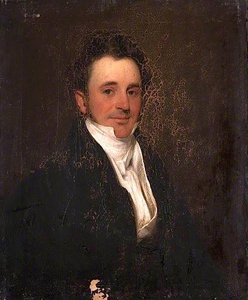
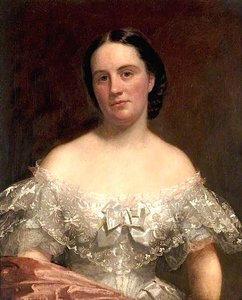
Portrét John Graham Gilbert

100 nejslavnějších obrazů autora John Graham Gilbert, výběr z galerie

Aktualizováno listopad 2026 · seřazeno podle našeho skóre popularity (vyhledávání, návštěvy a objednávky u každého díla) · 140 děl umělce John Graham Gilbert v našem katalogu

Stručně řečeno

Z všech originálů, které John Graham Gilbert zanechal, je nejslavnější James Watt (1736–1819) (1819). Hned za ním následují Professor George Jardine (1742–1827) (after Henry Raeburn) (1827) a John T. Alston (1780–1857), Provost of Glasgow (1820–1821) (1832). Náš katalog obsahuje 140 děl umělce John Graham Gilbert; galerie si zachovala 100 děl, která obdivuje celý svět, přičemž každé je znázorněno s datem vzniku, názevem muzea a jeho příběhem.

1794 – 1866, Glasgow Neoclassicism Nejvíce děl: The Dick Institute

10 nejlepších obrazů umělce John Graham Gilbert: výběr galerie

1
James Watt (1736–1819) (1819) od John Graham Gilbert

James Watt (1736–1819)

1819 · Oil On Canvas

A single light source strikes the brow of James Watt, casting the rest of the world into a heavy, velvet darkness. He sits in a quiet stillness, his gaze fixed forward as if looking through the viewer toward a horizon of steam and iron. The white of his hair catches the light, a stark contrast against the deep shadows that define the contours of his face. There is a gravity…

2
Professor George Jardine (1742–1827) (after Henry Raeburn) (1827) od John Graham Gilbert

Professor George Jardine (1742–1827) (after Henry Raeburn)

1827 · Oil On Canvas

The shadows cling to the edges of the frame, leaving only the face and upper torso of Professor George Jardine to emerge from the darkness. He gazes directly at us, his expression heavy with a quiet, intellectual authority that seems to command the very air around him. There is a stillness here, a moment frozen in 1827, where the weight of a lifetime of thought is etched into the lines…

3
John T. Alston (1780–1857), Provost of Glasgow (1820–1821) (1832) od John Graham Gilbert

John T. Alston (1780–1857), Provost of Glasgow (1820–1821)

1832 · Oil On Canvas

The portrait presents a formal study of John Thomas Alston, a man whose posture and expression command the space of the canvas. He is depicted in a moment of quiet gravity, his presence defined by the heavy, dark tones of his attire and the deliberate arrangement of his hands. The lighting is directional, carving his features out of a deep, shadowed background and emphasizing the textures of his skin and…

4
Mrs Hugh Robertson of Gartloch (1798–1846) (1841) od John Graham Gilbert

Mrs Hugh Robertson of Gartloch (1798–1846)

1841 · Oil On Canvas

The portrait depicts a woman seated in profile against a dark, indistinct background. She is positioned centrally, her form creating a pyramidal structure that directs the eye toward her head. The subject wears a burgundy velvet dress, the texture of which is rendered through meticulous brushwork that suggests the weight and softness of the fabric. A lace detail adorns the neckline, and a red feathered hat rests upon her head.…

5
Professor James Adair Lawrie; (1801-1859) (1855) od John Graham Gilbert

Professor James Adair Lawrie; (1801-1859)

1855 · Oil On Canvas · The Hunterian Museum and Art Gallery, Glasgow

In this 1855 oil portrait, we encounter Professor James Adair Lawrie, a man whose presence commands a quiet, somber authority. He is presented in a three-quarter length view, seated with an upright posture that suggests a lifetime of academic discipline. The composition is intimate, placing the viewer at eye-level with the subject, creating a direct connection that feels almost private. There is a profound sense of weight to the figure,…

6
Mrs Agnes D'Arcy Jarvie (1866) od John Graham Gilbert

Mrs Agnes D'Arcy Jarvie

1866 · Oil On Canvas

This portrait, titled Mrs Agnes D'Arcy Jarvie, was painted by John Graham Gilbert in 1866. The subject is depicted from the chest up in a seated position. She is positioned in the center of the frame, gazing directly at the viewer. The composition focuses on her face and upper body, set against a blurred background that suggests an interior environment.

Výběr umělce John Graham Gilbert pokračuje, od 11 do 100

11Self Portrait (copy of Joshua Reynolds) (1819) od John Graham GilbertSelf Portrait (copy of Joshua Reynolds)1819 12James Irvine (1826) od John Graham GilbertJames Irvine1826 13An Italian Nobleman (1830) od John Graham GilbertAn Italian Nobleman1830 14James Dennistoun, Esq., of Golfhill (1829) od John Graham GilbertJames Dennistoun, Esq., of Golfhill1829 15Joseph Hume, Political Economist (1823) od John Graham GilbertJoseph Hume, Political Economist1823 16James Irvine (d.1831) (1826) od John Graham GilbertJames Irvine (d.1831)1826 17William Murdoch (1754–1839) (1827) od John Graham GilbertWilliam Murdoch (1754–1839)1827 · Birmingham Museum and Art Gallery 18William Dale (1794–1827) (1825) od John Graham GilbertWilliam Dale (1794–1827)1825 19A Tyrolese Hunter (1826) od John Graham GilbertA Tyrolese Hunter1826 20Joseph Hume (1777–1855), Political Economist (1823) od John Graham GilbertJoseph Hume (1777–1855), Political Economist1823 · Scottish National Portrait Gallery 21William Richardson (1743–1814), Professor of Humanity at the University of Glasgow (1773–1815) (1827) od John Graham GilbertWilliam Richardson (1743–1814), Professor of Humanity at the University of Glasgow (1773–1815)1827 22An Italian Nobleman (1830) od John Graham GilbertAn Italian Nobleman1830 · Royal Scottish Academy of Art - Architecture 23Saint Sebastian (1826) od John Graham GilbertSaint Sebastian1826 24James Dennistoun, Esq., of Golfhill (1758–1835) (1829) od John Graham GilbertJames Dennistoun, Esq., of Golfhill (1758–1835)1829 25Sir Walter Scott (1771–1832), Bt, FRSE (1829) od John Graham GilbertSir Walter Scott (1771–1832), Bt, FRSE1829 · The Royal Society of Edinburgh 26Figure of a Lady (after Jacopo Palma il vecchio) (1825) od John Graham GilbertFigure of a Lady (after Jacopo Palma il vecchio)1825 27The Martyrdom of Saint Justina (after Paolo Veronese) (1825) od John Graham GilbertThe Martyrdom of Saint Justina (after Paolo Veronese)1825 28Reverend Stevenson MacGill (1765–1840), Professor of Divinity at the University of Glasgow (1834) od John Graham GilbertReverend Stevenson MacGill (1765–1840), Professor of Divinity at the University of Glasgow1834 29James Hopkirk of Dalbeth (1835) od John Graham GilbertJames Hopkirk of Dalbeth1835 30Thomas Graham (1805–1869), FRS (1837) od John Graham GilbertThomas Graham (1805–1869), FRS1837 31Duncan MacFarlan (1771–1857), Principal of the University of Glasgow (1823–1857) (1839) od John Graham GilbertDuncan MacFarlan (1771–1857), Principal of the University of Glasgow (1823–1857)1839 32John Gibson (1847) od John Graham GilbertJohn Gibson1847 · Scottish National Gallery 33John Burns, Professor of Surgery at the University of Glasgow (1848) od John Graham GilbertJohn Burns, Professor of Surgery at the University of Glasgow1848 34Lord Kelvin William Thomson, at the Age of 22 (1846) od John Graham GilbertLord Kelvin William Thomson, at the Age of 221846 35John Burns (1775–1850), Professor of Surgery at the University of Glasgow (1815–1850) (1848) od John Graham GilbertJohn Burns (1775–1850), Professor of Surgery at the University of Glasgow (1815–1850)1848 36John Gibson (1790–1866), RA (1848) od John Graham GilbertJohn Gibson (1790–1866), RA1848 37Portrait of an Unknown Sitter with a Book (1846) od John Graham GilbertPortrait of an Unknown Sitter with a Book1846 · The Dick Institute 38Georgina Smith (1846) od John Graham GilbertGeorgina Smith1846 · Stirling Smith Art Gallery And Museum 39Georgina Smith (1846) od John Graham GilbertGeorgina Smith1846 · The Stirling Smith Art Gallery - Museum 40Lord Kelvin William Thomson (1824–1907), at the Age of 22 (1846) od John Graham GilbertLord Kelvin William Thomson (1824–1907), at the Age of 221846 41Portrait of a Man (formerly designated as Andreas Vesalius) (after a Venetian artist) (1840) od John Graham GilbertPortrait of a Man (formerly designated as Andreas Vesalius) (after a Venetian artist)1840 42Mrs James Scott of Kelly (1850) od John Graham GilbertMrs James Scott of Kelly1850 43The Holy Family (1850) od John Graham GilbertThe Holy Family1850 · Baddesley Clinton 44Mrs James Scott of Kelly (1850) od John Graham GilbertMrs James Scott of Kelly1850 45Thomas Thomson (1773–1852) (1850) od John Graham GilbertThomas Thomson (1773–1852)1850 46William Fleming (d.1866), Professor of Oriental Languages (1831–1839) and Professor of Moral Philosophy (1839–1866) at the University of Glasgow (1854) od John Graham GilbertWilliam Fleming (d.1866), Professor of Oriental Languages (1831–1839) and Professor of Moral Philosophy (1839–1866) at the University of Glasgow1854 47Sir John Watson Gordon (1788–1864), Artist (1854) od John Graham GilbertSir John Watson Gordon (1788–1864), Artist1854 · Scottish National Portrait Gallery 48The First Born (1853) od John Graham GilbertThe First Born1853 49Mrs John Jarvie (1859) od John Graham GilbertMrs John Jarvie1859 50James Buchanan (1860) od John Graham GilbertJames Buchanan1860 · Nhs Lothian 51Going to Market (1860) od John Graham GilbertGoing to Market1860 52Crossing the Ford (1859) od John Graham GilbertCrossing the Ford1859 53Alexander Hill (1786–1867), Professor of Divinity at the University of Glasgow (1840–1862) (1864) od John Graham GilbertAlexander Hill (1786–1867), Professor of Divinity at the University of Glasgow (1840–1862)1864 54William Weir (1794–1876), President of the Faculty of Physicians and Surgeons of Glasgow (1847–1849) (1865) od John Graham GilbertWilliam Weir (1794–1876), President of the Faculty of Physicians and Surgeons of Glasgow (1847–1849)1865 55The Bandit’s Bride (1866) od John Graham GilbertThe Bandit’s Bride1866 · Royal Scottish Academy of Art - Architecture 56The Beggar Maid od John Graham GilbertThe Beggar Maid 57Ideal Portrait od John Graham GilbertIdeal Portrait 58A Lady (after Henry Raeburn) od John Graham GilbertA Lady (after Henry Raeburn) 59Bailie David Mitchell, OBE od John Graham GilbertBailie David Mitchell, OBE 60Charles Lawson of Borthwick Hall (d.1874), Lord Provost of Edinburgh (1862–1865) od John Graham GilbertCharles Lawson of Borthwick Hall (d.1874), Lord Provost of Edinburgh (1862–1865) 61Archibald William Montgomerie (1812–1861), 13th Earl of Eglinton od John Graham GilbertArchibald William Montgomerie (1812–1861), 13th Earl of Eglinton 62Ann Margaret Forbes Leslie, Wife of Alexander Forbes Irvine, 20th Laird of Drum od John Graham GilbertAnn Margaret Forbes Leslie, Wife of Alexander Forbes Irvine, 20th Laird of Drum 63Professor James Thomson (1786–1849), Professor of Mathematics at the University of Glasgow (1832–1849) od John Graham GilbertProfessor James Thomson (1786–1849), Professor of Mathematics at the University of Glasgow (1832–1849)The Hunterian Museum and Art Gallery 64James Dennistoun, Esq. of Golfhill (1758–1835) od John Graham GilbertJames Dennistoun, Esq. of Golfhill (1758–1835) 65The Young Seamstress od John Graham GilbertThe Young Seamstress 66Dr William Hunter (1718–1783) (after Joshua Reynolds) od John Graham GilbertDr William Hunter (1718–1783) (after Joshua Reynolds) 67Old Woman Reading (after Rembrandt van Rijn) od John Graham GilbertOld Woman Reading (after Rembrandt van Rijn) 68Head of an Old Woman with a Cap, in Profile to the Right od John Graham GilbertHead of an Old Woman with a Cap, in Profile to the Right 69Madonna della scodella (after Correggio) (1825) od John Graham GilbertMadonna della scodella (after Correggio)1825 70Madonna with Saint Jerome (after Correggio) (1825) od John Graham GilbertMadonna with Saint Jerome (after Correggio)1825 71Humphrey E. Maclae of Cathkin od John Graham GilbertHumphrey E. Maclae of Cathkin 72Mungo Campbell od John Graham GilbertMungo Campbell 73Elizabeth Buchanan od John Graham GilbertElizabeth Buchanan 74Mrs Isabella C. Campbell od John Graham GilbertMrs Isabella C. Campbell 75Girls at a Stream od John Graham GilbertGirls at a Stream 76Italian Gentleman od John Graham GilbertItalian Gentleman 77Self Portrait od John Graham GilbertSelf PortraitRoyal Scottish Academy of Art - Architecture 78A Grecian Girl od John Graham GilbertA Grecian Girl 79Study of a Female Figure od John Graham GilbertStudy of a Female Figure 80Mrs James Buchanan od John Graham GilbertMrs James BuchananNhs Lothian 81James Hamilton od John Graham GilbertJames Hamilton 82Reverend John Burns (1744–1839), Minister of the Barony Church, Glasgow (1774–1839) od John Graham GilbertReverend John Burns (1744–1839), Minister of the Barony Church, Glasgow (1774–1839) 83A Lady Sketching od John Graham GilbertA Lady Sketching 84Portrait of Lady od John Graham GilbertPortrait of LadyThe Dick Institute 85Female Portrait od John Graham GilbertFemale Portrait 86Female Portrait od John Graham GilbertFemale Portrait 87Italian Woman od John Graham GilbertItalian Woman 88James Buchanan of Dowanhill (1756–1844) od John Graham GilbertJames Buchanan of Dowanhill (1756–1844) 89Jane Buchanan od John Graham GilbertJane BuchananThe Dick Institute 90William Murdock (1754–1839) od John Graham GilbertWilliam Murdock (1754–1839)The Royal Society of Edinburgh 91Adam Black od John Graham GilbertAdam BlackThe Merchant's Hall 92Italian Girl od John Graham GilbertItalian Girl 93Andrew Stevenson Dalglish (1793–1858) od John Graham GilbertAndrew Stevenson Dalglish (1793–1858) 94Humphrey E. Maclae of Cathkin (1773–1860) od John Graham GilbertHumphrey E. Maclae of Cathkin (1773–1860) 95Contemplation od John Graham GilbertContemplation 96Mungo Campbell od John Graham GilbertMungo Campbell 97Portrait of a Man od John Graham GilbertPortrait of a ManThe Dick Institute 98Elizabeth Buchanan od John Graham GilbertElizabeth BuchananThe Dick Institute 99Figure Study od John Graham GilbertFigure Study 100A Grecian Girl od John Graham GilbertA Grecian Girl

Motivy, které zaujaly John Graham Gilbert

Čtyři témata, která se v těchto originálech nejčastěji objevují, z nichž každé má svůj nejlepší příklad.

Muzea, v nichž jsou vystavena originálna umělce John Graham Gilbert

8 muzea, v nichž je umístěno nejvíce obrazů z této stránky.

Muzeum Město Díla autora John Graham Gilbert Obrazy z tohoto seznamu
The Dick Institute, KilmarnockThe Dick Institute Kilmarnock 5 Portrait of an Unknown Sitter with a Book, Portrait of Lady, Jane Buchanan
The Hunterian Museum and Art Gallery, GlasgowThe Hunterian Museum and Art Gallery Glasgow 3 Professor James Adair Lawrie; (1801-1859), Self Portrait, Professor James Thomson (1786–1849), Professor of Mathematics at the University of Glasgow (1832–1849)
Royal Scottish Academy of Art - Architecture, ÉdinRoyal Scottish Academy of Art - Architecture Édin 3 An Italian Nobleman, The Bandit’s Bride, Self Portrait
Scottish National Portrait Gallery, EdinburghScottish National Portrait Gallery Edinburgh 2 Joseph Hume (1777–1855), Political Economist, Sir John Watson Gordon (1788–1864), Artist
The Royal Society of Edinburgh, EdinburghThe Royal Society of Edinburgh Edinburgh 2 Sir Walter Scott (1771–1832), Bt, FRSE, William Murdock (1754–1839)
Nhs Lothian, EdinburghNhs Lothian Edinburgh 2 James Buchanan, Mrs James Buchanan
Birmingham Museum and Art Gallery, BirminghamBirmingham Museum and Art Gallery Birmingham 1 William Murdoch (1754–1839)
Scottish National Gallery, EdinburghScottish National Gallery Edinburgh 1 John Gibson

John Graham Gilbert dekáda po dekádě: originální díla, která definují každou z nich

Díla podle dekád

Vyberte si dekádu a prohlédněte si originál, který ji definuje.

Otázky sběratelů o obrazech umělce John Graham Gilbert

Kterým dílem je John Graham Gilbert nejznámější?Odhalit odpověď

James Watt (1736–1819) (1819). Následují Professor George Jardine (1742–1827) (after Henry Raeburn) (1827) a John T. Alston (1780–1857), Provost of Glasgow (1820–1821) (1832).

Kolik let bylo John Graham Gilbert, když bylo vytvořeno dílo James Watt (1736–1819)?Odhalit odpověď

25 let: dílo James Watt (1736–1819) pochází z roku 1819 a John Graham Gilbert se narodil/a v roce 1794.

Kterých deset nejslavnějších obrazů má John Graham Gilbert?Odhalit odpověď

James Watt (1736–1819), Professor George Jardine (1742–1827) (after Henry Raeburn), John T. Alston (1780–1857), Provost of Glasgow (1820–1821), Mrs Hugh Robertson of Gartloch (1798–1846), Professor James Adair Lawrie; (1801-1859), Mrs Agnes D'Arcy Jarvie, Meditation, Isabella Ewing, Mrs Smith of Jordanhill, James Watt a Self Portrait. Hodnocení výše uvádí rok a muzeum pro každé z nich.

Kolik obrazů zanechal(a) John Graham Gilbert?Odhalit odpověď

Náš katalog obsahuje 140 děl umělce John Graham Gilbert z let 1810 až 1866.

Ve kterých muzeích jsou vystavena díla mistrovská umělce John Graham Gilbert?Odhalit odpověď

Většinou v The Dick Institute (Kilmarnock), The Hunterian Museum and Art Gallery (Glasgow) a Royal Scottish Academy of Art - Architecture (Édin). V tabulce muzeí výše jsou vypsány všechny.

V jakých letech namaloval John Graham Gilbert svá nejznámější díla?Odhalit odpověď

V období 1820s: 18 z celkem 100 děl na této stránce vzniklo právě tehdy, z toho Professor George Jardine (1742–1827) (after Henry Raeburn) z nich.

Jaká jsou první a poslední slavná originální díla umělce John Graham Gilbert?Odhalit odpověď

Na této stránce je nejstarší dílo z Isabella Ewing, Mrs Smith of Jordanhill (1810) a nejnovější z Mrs Agnes D'Arcy Jarvie (1866).

Jaká témata si John Graham Gilbert vybíral nejčastěji?Odhalit odpověď

Portrait (13), Victorian era (10) a Formal (6) napříč 100 díly na této stránce.

Kterou techniku používal(a) John Graham Gilbert nejčastěji?Odhalit odpověď

Oil On Canvas, u 6 z 100 děl na této stránce.

K kterému uměleckému směru patří John Graham Gilbert?Odhalit odpověď

Neoclassicism, podle originálů na této stránce.

Která díla umělce John Graham Gilbert jsou vystavena v The Dick Institute?Odhalit odpověď

Portrait of an Unknown Sitter with a Book, Portrait of Lady a Jane Buchanan: muzeum The Dick Institute, Kilmarnock má v obsluze 5 děl z této stránky.

John Graham Gilbert: život a dílo

John Graham-Gilbert: Benet vénetské ozvěny v něčem skotského highlands

John Graham-Gilbert (1794 – 4. června 1866) představuje fascinující postavu britského viktoriánského umění, malíř, jehož kariéra se rozprostřela napříč kontinenty a jehož styl odhaluje nádhernou směs různých vlivů. Narodil se v Glasgow ve Skotsku v rodině hluboce spojené s obchodem – jeho otec byl významným obchodníkem se zámořskými státy – a Graham-Gilbert se původně vydal cestou účetnictví, než objevil své skutečné povolání: okouzňující svět malířství. Tato změna nebyla pouhou profesní transformací; představovala vědomé odmítnutí rodinných očekávání a přijetí umělecké svobody, což bylo rozhodnutí, které nakonec formovalo jak jeho život, tak jeho odkaz. Jeho raná výchova byla somewhat nekonvenční, poznamenaná cestou do Londýna v roce 1818, kde získal přijetí do Královské akademie, což byl zásadní krok k upevnění si svého místa v tehdejším uměleckém světě. Právě v tomto období začal rozvíjet svůj vlastní, nezaměnitelný styl, charakteristický neuvěřitelnou citlivostí k světlu a stínu, což bylo obzvláště patrné v jeho portrétech a žánrových scénách.

Vliv Benátek: Correggio a mistři

Umělecká cesta Johna Graham-Gilberta udělala zásadní zvrat během jeho pobytu v Itálii v 20. letech 19. století. Tato imerze do samotného srdce renesance se ukázala jako transformativní, hluboce ovlivňující jeho techniku i estetické cítění. Obzvláště se zamiloval do děl Correggia, jehož mistrovské využití chiaroscuro – dramatického hry světla a tmy – v něm hluboce rezonovalo. Důkladně studoval Correggiovy kompozice, nikoliv však jen pouhou kopírováním, ale vstřebáváním principů atmosférické perspektivy, jemného modelování a hlubokého pochopení lidských emocí. Tato fascinace Correggiem je jasně patrná v mnoha jeho pozdějších dílech, zejména v portrétech, kde mistrně využívá jemné gradace tónů k vytvoření iluze hloubky a objemu. Kromě Correggia čerpal Graham-Gilbert inspiraci i z dalších benátských mistrů, jako byli Palma Vecchio či Gaspard Dughet, a do své vlastní tvorby začlenil jejich techniky světelného barvení a dynamického tahování štětcem. Jeho malby často vyvolávají atmosféru Benátek – jejich kanály, světlo a živý společenský život – což naznačuje hlubokou úctu k uměleckému dědictví tohoto města.

Portréty a žánrové scény: Zachycení viktoriánského života

Graham-Gilbert se primárně zaměřoval na dva žánry: portrétní malbu a žánrové scény. Jeho portréty nebyly pouze prostými podobiznami; jejich cílem bylo zachytit osobnost, charakter a společenské postavení svých subjektů. Disponoval neuvěřitelnou schopností vykreslit jednotlivce s citlivostí a vhledem, odhalující jejich vnitřní svět skrze jemná gesta, výrazy tváře a pečlivě pozorované detaily. Jeho portréty viktoriánské společnosti – průmyslníků, obchodníků, akademiků a aristokratů – jsou považovány za particularly vynikající příklady uměleckých konvencí této éry, přesto si zachovávají výslovně lidský rys. Vedle portrétní malby Graham-Gilbert vytvářel četné žánrové scény zobrazující každodenní život ve Skotsku a Anglii. Tato díla nabízejí pohled do domácích rituálů, sociálních interakcí a volnočasových aktivit viktoriánské doby, často protkaných jemným humorem a bystrým vnímáním nuancí lidského chování. „Nevěsta banditů“, jedno z jeho nejslavnějších děl, tuto dovednost dokonale demonstruje – je to okouzlující zobrazení tajemné ženy v malebném krajině, které ukazuje jeho mistrovství v práci se světlem, barvou a kompozicí.

Technika a styl: Jemná rovnováha

Umělecký styl Johna Graham-Gilberta lze charakterizovat jako jemnou rovnováhu mezi pozorováním a představivostí. Byl důsledným pozorovatelem světa kolem sebe, pečlivě studujícím anatomii, perspektivu a účinky světla. Zároveň však disponoval silným smyslem pro uměleckou svobodu a využíval techniky jako sfumato – jemné rozostření obrysů – k vytvoření atmosféry tajemna a nejednoznačnosti. Jeho tahy štětcem jsou obecně hladké a rafinované, přesto si zachovávají určitou spontánnost a vitalitu. Byl obzvláště zdatný v vykreslování látek a textur, čímž svým malbám vdechl neuvěřitelný smysl pro realismus. Vliv Correggia je nejvýraznější v jeho využití chiaroscuro, které používal k vytváření dramatických kontrastů světla a stínu, což do jeho kompozic vnáší hloubku a emocionální intenzitu.

Odkaz a vliv

Přínos Johna Graham-Gilberta k viktoriánskému umění nespočívá pouze v kvalitě jeho jednotlivých děl, ale také v jeho roli zdatného interpretátora benátských uměleckých tradic. Pomohl představit styl Correggia britskému publiku a ovlivnil generaci umělců, kteří se snažili napodobit jeho mistrovství světla a barvy. Jeho malby jsou i nadále obdivovány pro svou krásu, citlivost a technickou zdatnost. Jeho dílo je dnes uloženo v kolekcích, jako je Glasgow Kelvingrove Art Gallery and Museum, což je svědectvím o jeho trvalé umělecké hodnotě. Ačkoliv nemusí být tak široce oslavován jako někteří jeho contemporary, John Graham-Gilbert zůstává významnou postavou v historii skotského umění – malířem, který úspěšně překlenul propast mezi severní tradicí a ideály italské renesance.