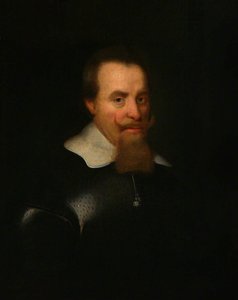
Portrét George Jamesone

Obrazy autora George Jamesone: 49 nejznámějších díel podle pohledu galerie

Aktualizováno listopad 2026 · seřazeno podle našeho skóre popularity (vyhledávání, návštěvy a objednávky u každého díla) · 49 děl umělce George Jamesone v našem katalogu

Stručně řečeno

Z pohledu galerie je nejslavnějším dílem George Jamesone obrazem The Hon. Thomas Carey (1616-1649) (after Lely) (1622), jehož originál je vystaven v Knole House v obci Sevenoaks. George Jamesone, 1589 / 1590 - 1644. Portrait painter (Self-portrait) (1633) a Sir Archibald Acheson (1583–1634), Secretary of State (1631) doplňují trio, které každé oko okamžitě pozná. Z 49 děl umělce George Jamesone v našem katalogu představuje galerie níže 49 nejznámějších děl, z nichž každé je originálem s uvedením roku vzniku, muzea a toho, co jej činí jedinečným.

1587 – 1644, Aberdeen Baroque Nejvíce děl: Scottish National Portrait Gallery

Top 10 obrazů umělce George Jamesone v naší galerii

1
The Hon. Thomas Carey (1616-1649) (after Lely) (1622) od George Jamesone

The Hon. Thomas Carey (1616-1649) (after Lely)

1622 · Oil · Knole House, Sevenoaks

A young man sits in a quiet moment of poise, his presence filling the space with a sense of noble calm. He is captured in a three-quarter length view, his body angled slightly to create a sense of movement within a still frame. The light, soft and directional, spills from the upper left, washing over his face and the delicate features of his hand. This illumination carves his profile out…

2
George Jamesone, 1589 / 1590 - 1644. Portrait painter (Self-portrait) (1633) od George Jamesone

George Jamesone, 1589 / 1590 - 1644. Portrait painter (Self-portrait)

1633 · Oil · Scottish National Portrait Gallery, Edinburgh

A somber, intimate encounter unfolds in this 1633 oil portrait. The subject, a man with wavy brown hair, a mustache, and a small beard, gazes directly at the viewer from a bust-length perspective. He is framed by a large black hat and a prominent white collar that cuts sharply through the darkness. The composition is slightly off-center, set against an indistinct, dark background that pushes the figure forward.

3
Sir Archibald Acheson (1583–1634), Secretary of State (1631) od George Jamesone

Sir Archibald Acheson (1583–1634), Secretary of State

1631 · Oil On Canvas · Scottish National Portrait Gallery, Edinburgh

Sir Archibald Acheson stands within a quiet, interior world, his gaze meeting the viewer with a steady, unyielding dignity. The year is 1631, and the air in the room feels heavy with the weight of office and authority. He is a man of substance, draped in a black coat that absorbs the light, contrasted sharply by the crisp, white purity of his collar. A golden sash rests against his chest,…

5
George Jamesone, 1589 / 1590 - 1644. Portrait painter (Self-portrait) (1642) od George Jamesone

George Jamesone, 1589 / 1590 - 1644. Portrait painter (Self-portrait)

1642 · Oil On Canvas · Scottish National Portrait Gallery, Edinburgh

The canvas presents us with George Jamesone, 1589 / 1590 - 1644. Portrait painter (Self-portrait), a work that places the artist himself directly into the viewer's gaze. This creation is by the hand of George Jamesone, a man who lived from approximately 1587 until 1644. In this intimate encounter, the painter does not merely capture a likeness but offers a complex reflection of his own identity and the very nature…

6
Sir Paul Menzies of Kinmundy (1620) od George Jamesone

Sir Paul Menzies of Kinmundy

1620 · Oil

The man stares directly through the veil of years, his expression fixed in a stern, unyielding gravity. He wears a heavy wig that frames a face marked by a thick beard and a mustache, lending him an air of formidable authority. A ruffled collar encircles his neck, the crisp folds of his shirt suggesting the formal dignity of his station. Every detail of his attire, from the texture of the…

7
Lady Elizabeth Maxwell with Her Two Sons (1620) od George Jamesone

Lady Elizabeth Maxwell with Her Two Sons

1620 · Oil On Canvas · Traquair House, Innerleithen

Lady Elizabeth Maxwell with Her Two Sons is an oil on canvas portrait executed by George Jamesone. Created about 1620, the work represents a significant example of the artist's early career. The painting is currently held in the collection of Traquair House in Innerleithen, United Kingdom.

8
James Sandilands (1624) od George Jamesone

James Sandilands

1624 · Oil On Canvas

George Jamesone painted James Sandilands about 1624. The portrait captures a man of distinguished appearance, characterized by a white-haired wig and a prominent beard and mustache. He is depicted in a moment of quiet study, holding a book in his hand while facing the viewer.

9
John Alexander and His Wife, Marjory Jamesone (1630) od George Jamesone

John Alexander and His Wife, Marjory Jamesone

1630 · Oil On Canvas

In this 1630 oil on canvas, two figures emerge from a dark, quiet space. John Alexander sits with a steady presence, his long hair and beard catching the light against the deep tones of his suit. He holds a single red rose, a small, sharp puncture of color in a world of muted shadows. Beside him, Marjory Jamesone is draped in black, her form a silent companion to his structured…

10
James Hamilton, 2nd Marquess of Hamilton (after Daniel Mytens) (1625) od George Jamesone

James Hamilton, 2nd Marquess of Hamilton (after Daniel Mytens)

1625 · Oil On Canvas

The portrait presents a man of significant standing, captured in a moment of quiet, direct engagement. He gazes toward the viewer from a dark, indeterminate background, a choice that pushes his figure into the immediate foreground. A ruffled collar frames a face marked by a beard and mustache, lending a sense of maturity and gravity to his expression. A green vest provides the primary point of color, breaking the monochromatic…

Obrazy autora George Jamesone, seřazeny od 11 do 49

11Arthur Johnston (c.1579–1641) (1629) od George JamesoneArthur Johnston (c.1579–1641)1629 12Sir Thomas Hope (d.1646), Lord Advocate of Scotland (1627) od George JamesoneSir Thomas Hope (d.1646), Lord Advocate of Scotland1627 · Scottish National Portrait Gallery 13John Duff of Muldavit (1568–1632) (1632) od George JamesoneJohn Duff of Muldavit (1568–1632)1632 14Sir Thomas Burnet of Leys (1624) od George JamesoneSir Thomas Burnet of Leys1624 15Lady Mary Erskine (b.c.1597), Countess Marischal (1626) od George JamesoneLady Mary Erskine (b.c.1597), Countess Marischal1626 · Scottish National Gallery 16Lady Margaret Douglas (1610–1678), Marchioness of Argyll, Wife of the 1st Marquess of Argyll (1634) od George JamesoneLady Margaret Douglas (1610–1678), Marchioness of Argyll, Wife of the 1st Marquess of Argyll1634 · Scottish National Portrait Gallery 17Portrait of a Man (said to be Robert, Mester Erskine, probably Colonel Alexander Erskine of Cambuskenneth, d.1640) (1627) od George JamesonePortrait of a Man (said to be Robert, Mester Erskine, probably Colonel Alexander Erskine of Cambuskenneth, d.1640)1627 · Scottish National Gallery 18Anne Erskine (d.1640), Countess of Rothes, Wife of the 6th Earl of Rothes, with her Daughters, Lady Margaret Leslie (1621–1688) and Lady Mary Leslie (b.1620) (1626) od George JamesoneAnne Erskine (d.1640), Countess of Rothes, Wife of the 6th Earl of Rothes, with her Daughters, Lady Margaret Leslie (1621–1688) and Lady Mary Leslie (b.1620)1626 · Scottish National Portrait Gallery 19Self Portrait (1637) od George JamesoneSelf Portrait1637 20Portrait of a Man (1640) od George JamesonePortrait of a Man1640 21George Jamesone (1589 1590–1644), Portrait Painter, Self Portrait (1642) od George JamesoneGeorge Jamesone (1589 1590–1644), Portrait Painter, Self Portrait1642 22William Keith (1614–1661), 7th Earl Marischal, Leader of the Covenanters (1636) od George JamesoneWilliam Keith (1614–1661), 7th Earl Marischal, Leader of the Covenanters1636 · Scottish National Portrait Gallery 23Sir Archibald Napier (1576–1645), 1st Lord Napier, Extraordinary Lord of Session (1637) od George JamesoneSir Archibald Napier (1576–1645), 1st Lord Napier, Extraordinary Lord of Session1637 · Scottish National Portrait Gallery 24William Graham (1589–1661), 7th Earl of Menteith and 1st Earl of Airth, President of the Privy Council (1637) od George JamesoneWilliam Graham (1589–1661), 7th Earl of Menteith and 1st Earl of Airth, President of the Privy Council1637 · Scottish National Portrait Gallery 25Portrait of Lady Alexander od George JamesonePortrait of Lady AlexanderNational Gallery of Ireland 26Sir Robert Campbell of Glenorchy, 1579 - 1657 od George JamesoneSir Robert Campbell of Glenorchy, 1579 - 1657Scottish National Portrait Gallery 27Sir John Campbell of Glenorchy, 1606 / 1607 - 1686 od George JamesoneSir John Campbell of Glenorchy, 1606 / 1607 - 1686Scottish National Portrait Gallery 28Portrait of Mary Jamesone od George JamesonePortrait of Mary Jamesone 29Sibyl phrygica od George JamesoneSibyl phrygica 30Sir George Bruce of Carnock od George JamesoneSir George Bruce of Carnock 31Sibyl delphica od George JamesoneSibyl delphica 32Sibyl tiburtina od George JamesoneSibyl tiburtina 33Sibyl helle od George JamesoneSibyl helle 34Sibyl erythraea od George JamesoneSibyl erythraea 35Sibyl cumaea od George JamesoneSibyl cumaea 36Sibyl lybica od George JamesoneSibyl lybica 37Sibyl europaea od George JamesoneSibyl europaea 38Patrick Dune, MD od George JamesonePatrick Dune, MD 39Zachary Boyd (c.1585–1653) od George JamesoneZachary Boyd (c.1585–1653) 40Sibyl samia od George JamesoneSibyl samia 41Alexander Thomson od George JamesoneAlexander Thomson 42David Anderson, Architect, and His Wife, Jean Guild od George JamesoneDavid Anderson, Architect, and His Wife, Jean GuildMusée des Beaux-Arts de Strasbourg 43Lady Jane Maitland (1612–1631) od George JamesoneLady Jane Maitland (1612–1631) 44James Graham, Marquis of Montrose (1612–1650 ) od George JamesoneJames Graham, Marquis of Montrose (1612–1650 ) 45Archibald Johnston (c.1610–1663), Lord Warriston, Statesman od George JamesoneArchibald Johnston (c.1610–1663), Lord Warriston, StatesmanScottish National Portrait Gallery 46William Forbes of Menie and Craigievar (1566–1627) od George JamesoneWilliam Forbes of Menie and Craigievar (1566–1627)The National Trust For Scotland 47Patrick Forbes of Corse (1564–1635), Bishop of Aberdeen od George JamesonePatrick Forbes of Corse (1564–1635), Bishop of AberdeenThe National Trust For Scotland 48Sir Thomas Burnett of Leys (1619–1653), 1st Bt and 13th Laird od George JamesoneSir Thomas Burnett of Leys (1619–1653), 1st Bt and 13th LairdThe National Trust For Scotland 49Janet Burnett, Sister of Sir Thomas Burnett of Leys, 1st Bt, and Wife of Alexander Skene of Skene od George JamesoneJanet Burnett, Sister of Sir Thomas Burnett of Leys, 1st Bt, and Wife of Alexander Skene of SkeneThe National Trust For Scotland

Slavná díla George Jamesone podle jednotlivých období

Motivy, které zaujaly George Jamesone

Čtyři témata, která se v těchto originálech nejčastěji objevují, z nichž každé má svůj nejlepší příklad.

Muzea, v nichž jsou vystavena originálna umělce George Jamesone

8 muzea, v nichž je umístěno nejvíce obrazů z této stránky.

Muzeum Město Díla autora George Jamesone Obrazy z tohoto seznamu
Scottish National Portrait Gallery, EdinburghScottish National Portrait Gallery Edinburgh 13 George Jamesone, 1589 / 1590 - 1644. Portrait painter (Self-portrait), Sir Archibald Acheson (1583–1634), Secretary of State, Campbell of Glenorchy Family Tree
Scottish National Gallery, EdinburghScottish National Gallery Edinburgh 2 Lady Mary Erskine (b.c.1597), Countess Marischal, Portrait of a Man (said to be Robert, Mester Erskine, probably Colonel Alexander Erskine of Cambuskenneth, d.1640)
The National Trust For Scotland, AlfordThe National Trust For Scotland Alford 2 William Forbes of Menie and Craigievar (1566–1627), Patrick Forbes of Corse (1564–1635), Bishop of Aberdeen
The National Trust For Scotland, BanffThe National Trust For Scotland Banff 2 Sir Thomas Burnett of Leys (1619–1653), 1st Bt and 13th Laird, Janet Burnett, Sister of Sir Thomas Burnett of Leys, 1st Bt, and Wife of Alexander Skene of Skene
Knole House, SevenoaksKnole House Sevenoaks 1 The Hon. Thomas Carey (1616-1649) (after Lely)
Traquair House, InnerleithenTraquair House Innerleithen 1 Lady Elizabeth Maxwell with Her Two Sons
National Gallery of Ireland, DublinNational Gallery of Ireland Dublin 1 Portrait of Lady Alexander
Musée des Beaux-Arts de Strasbourg, StrasburgMusée des Beaux-Arts de Strasbourg Strasburg 1 David Anderson, Architect, and His Wife, Jean Guild

George Jamesone, jeden ikonický obraz na každé desetiletí

Díla podle dekád

Vyberte si dekádu a prohlédněte si originál, který ji definuje.

Obrazy umělce George Jamesone: odpovědi galerie

Který obraz autora George Jamesone je nejslavnější ze všech?Odhalit odpověď

The Hon. Thomas Carey (1616-1649) (after Lely) (1622), Knole House, Sevenoaks. Následují George Jamesone, 1589 / 1590 - 1644. Portrait painter (Self-portrait) (1633) a Sir Archibald Acheson (1583–1634), Secretary of State (1631).

Kolik let bylo George Jamesone, když dokončil/a The Hon. Thomas Carey (1616-1649) (after Lely)?Odhalit odpověď

35 let: dílo The Hon. Thomas Carey (1616-1649) (after Lely) pochází z roku 1622 a George Jamesone se narodil/a v roce 1587.

Kterých 10 nejlepších obrazů má George Jamesone?Odhalit odpověď

The Hon. Thomas Carey (1616-1649) (after Lely), George Jamesone, 1589 / 1590 - 1644. Portrait painter (Self-portrait), Sir Archibald Acheson (1583–1634), Secretary of State, Campbell of Glenorchy Family Tree, George Jamesone, 1589 / 1590 - 1644. Portrait painter (Self-portrait), Sir Paul Menzies of Kinmundy, Lady Elizabeth Maxwell with Her Two Sons, James Sandilands, John Alexander and His Wife, Marjory Jamesone a James Hamilton, 2nd Marquess of Hamilton (after Daniel Mytens). Hodnocení výše uvádí rok a muzeum pro každé z nich.

Kolik děl vytvořil/a George Jamesone?Odhalit odpověď

Náš katalog obsahuje 49 děl umělce George Jamesone z let 1620 až 1642.

Kde jsou vystavena nejznámější originály umělce George Jamesone?Odhalit odpověď

Většinou v Scottish National Portrait Gallery (Edinburgh), Scottish National Gallery (Edinburgh) a The National Trust For Scotland (Alford). V tabulce muzeí výše jsou vypsány všechny.

Kdy George Jamesone vytvořil své nejslavnější obrazy?Odhalit odpověď

V období 1620s: 11 z celkem 49 děl na této stránce vzniklo právě tehdy, z toho The Hon. Thomas Carey (1616-1649) (after Lely) z nich.

Která jsou nejstarší a nejnovější slavná díla umělce George Jamesone?Odhalit odpověď

Na této stránce je nejstarší dílo z Sir Paul Menzies of Kinmundy (1620) a nejnovější z George Jamesone, 1589 / 1590 - 1644. Portrait painter (Self-portrait) (1642).

Kterým tématům se George Jamesone věnoval(a) nejčastěji?Odhalit odpověď

Man (23), Beard (16) a Mustache (13) napříč 49 díly na této stránce.

V jaké technice tvořil(a) George Jamesone nejčastěji?Odhalit odpověď

Oil On Canvas, u 28 z 49 děl na této stránce.

S jakým směrem je spojen(a) George Jamesone?Odhalit odpověď

Baroque, podle originálů na této stránce.

Jaká originální díla George Jamesone má v obsluze Scottish National Portrait Gallery?Odhalit odpověď

George Jamesone, 1589 / 1590 - 1644. Portrait painter (Self-portrait), Sir Archibald Acheson (1583–1634), Secretary of State a Campbell of Glenorchy Family Tree: muzeum Scottish National Portrait Gallery, Edinburgh má v obsluze 13 děl z této stránky.

George Jamesone: umělec

George Jamesone: První skotský mistr portrétu

George Jamesone (cca 1587 – 1644) představuje klíčovou postavu v historii skotského umění, široce uznávanou jako první skutečně významný portrétní malíř této země. Jeho kariéra se rozvinula v období zásadních uměleckých i politických změn, která spojovala éru renesance a baroka, a zanechala po sobě odkaz rafinované elegance a národní hrdosti. George se narodil kolem roku 1587 v Aberdeen jako syn kameníka Andrew Jamesone a Marjory Andersonové. Jeho raný život byl hluboce zakořeněn v tradicích řemeslnické práce – otcovi řemeslo vneslo do jeho srdce úctu k detailu a kvalitě materiálu, což později zásadně ovlivnilo jeho umělecký přístup. Prvotní vzdělání získal na místní gramatické škole, na kterou navázalo studium na Marischal College, což položilo pevné základy pro jeho budoucí život zasvěcený vědomostem a hluboké observaci světa.

Raná výchova a vlivy

Jamesoneho formální umělecké vzdělání začalo pod vedením jeho strýce, Johna Andersona, uznávaného dekorativního malíře působícího v Edinburghu. Toto učňovské období mu poskytlo nezbytné dovednosti v oblasti kompozice, teorie barv a technik nanášení barev na různé povrchy. Přesto však stále vyvádějí – a zůstávají lákavě nepodložené – zvěsti o formativním období stráveném studiem u gigantů antverpské školy: Paula Rubensa a Anthonyho van Dycka. Ačkoliv chybí definitivní dokumentace (registry cechu v Antverpách neuvádějí Jamesoneovu přítomnost), tato legenda mluví mnoho o jeho ambicích a vystavení uměleckým proudům, které v té době svívaly Evropou. Tento potenciální vliv bez wąvy utvaril jeho chápání světla, stínu a dramatického ztvárnění lidské postavy – prvků, které se staly neoddělitelnou součástí jeho nezaměnitelného stylu.

Zvězdná vzestup: Aberdeen a královské uznání

Po návratu do Aberdeen kolem roku 1620 si George Jamesone rychle vybudoval pověst žádaného portrétního malíře, který dokázal s neuvěřitelnou přesností zachytit podobu místních akademiků a učenců z rivalizujících kolégí města – King's a Marischal. Tato raná díla byla důkazem jeho rostoucího talentu pro zachycení unikátní osobnosti a vyjádření intelektuální hloubky svých modelů. Zlomovým okamžikem v jeho kariéře se stal rok 1633. Během své velkolepé královské návštěvy v Edinburghu si král Karel I. přál vytvořit velkolepý triumfální oblouk zdobený portréty bývalých monarchů Skotska. Právě Jamesone byl svěřen touto monumentální commissionsí, úkolem, který ho okamžitě catapultoval z okruhu místně uznávaných umělců do sféry celonárodní slávy. Vzniklá série královských postav vyústila v mistrovské ukázce jeho technické dokonalosti a schopnosti vdechnout každému portrétu nádech autority a vznešenosti. Klíčovým momentem však zůstává zjevné nadšení krále nad výsledným dílem – údajně mu za to byl poděkován darem v podobě diamantového prstenu, což definitivně upevnilo Jamesonovu reputaci a otevřelo mu dveře k zakázkám od nejvlivnější skotské šlechty.

Portrét Mary Erskine a nesmírný odkaz

Mezi jeho nejslavnější díla patří portrét Mary Erskine, který je dnes uložen v National Gallery of Scotland. Tento obraz je dokonalým ztělesněním Jamesoneovy schopnosti zachytit charakter subjektu a předat i ty nejjemnější nuance výrazu. Zároveň vyniká jeho schopnost pracovat v rámci tehdejších konvencí, přičemž do svých portrétů vplétá nezaměnitelnou skotskou citlivost. George Jamesone pokračoval v neúnavném díle i během 40. let 17. století; založil ateliéry v Aberdeen i Edinburghu a obsluhoval široké spektrum klientů, od vznešené šlechty až po bohaté obchodníky. Bohužel jeho rozkvétající kariérou udeřily bouře středního 17. století; v roce 1644 zemřel v Edinburghu během skotské občanské války, období intenzivních konfliktů a společenského převratu. Přestože jeho život byl ukončen předčasně, vliv, který George Jamesone exerted na pozdější generace skotských umělců, zůstává hluboký. Jeho precizní pozornost k detailu, mistrovské využití světla a stínu a schopnost zachytit samotnou esenci svých modelů mu vybudovaly postavení prvního skutečného mistra portrétu Skotska – titul, který si zcela zaslouží.

Klíčové charakteristiky a umělecký styl

Portréty, které vytvořil George Jamesone, jsou definovány vyváženou elegancí a hlubokým vhledem do lidské psychiky. Jeho tvorba vykazuje preferenci k harmonické kompozici, často využívající pyramidální uspořádání, které divákovi vyvolává pocit stability a monumentálnosti. Jeho práce s barvou je jemná, a přesto nesmírně účinná; skrze pečlivě vrstvené glazury dokázal vytvořit neuvěřitelnou hloubku a atmosféru. George Jamesone prokázal i mimořádnou schopnost zachytit texturu látek a lesk kovů, čímž svým dílům dodal fascinující realismus a vizuální zajímavost. Ačkoliv byl ovlivněn ideály renesance v oblasti klasické krásy, portréty George Jamesone possessují nezaměnitelný skotský charakter – tichou důstojnost a nenápadnou graciliti, které odrážejí samotného ducha jeho národa. Jeho dílo zůstává živým svědectvím jeho mimořádného talentu a vizionářství, čímž si definitivně zajistil místo mezi nejdůležitějšími uměleckými postavami Skotska.